Survey: More than 75% of homeowners in Romania invest in energy efficiency

10 December 2025

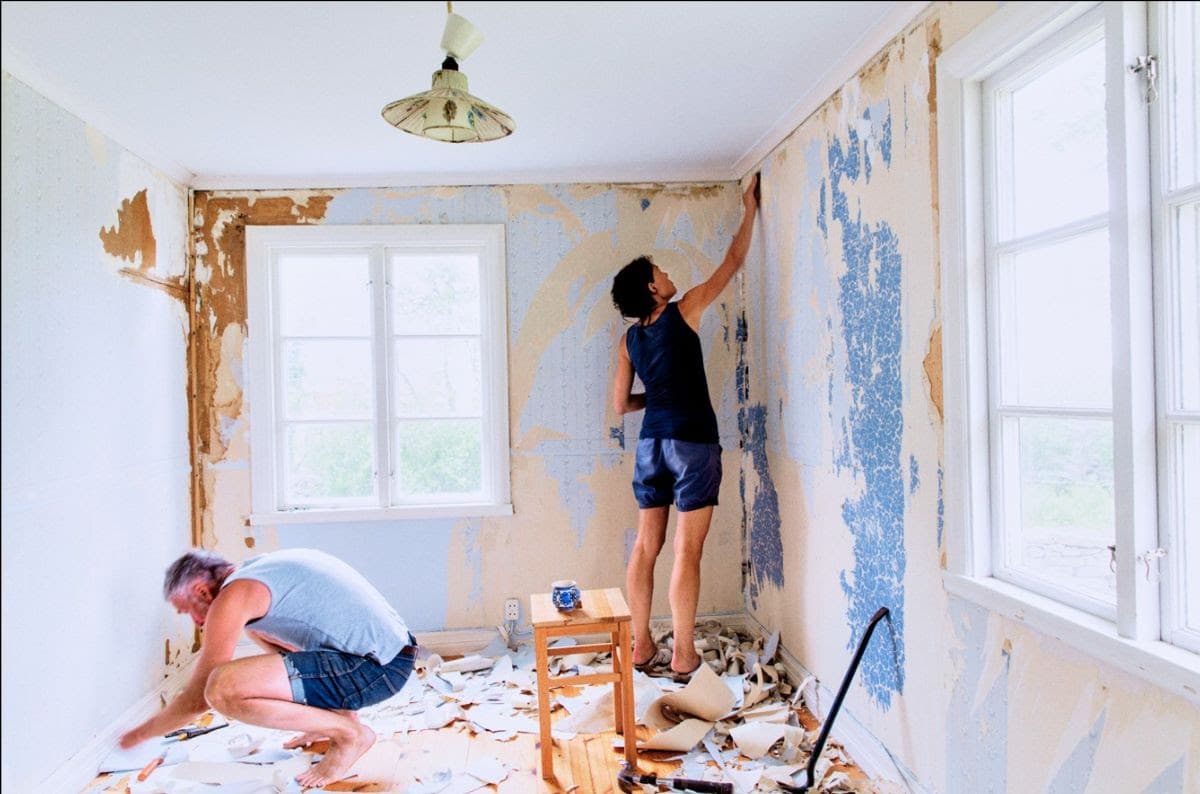
A total of 77% of homeowners who answered a survey by ING and Ipsos said they implemented measures in the past three years to improve energy efficiency. The need to save on energy bills was the main driver of household modernization, the survey showed.

Most respondents (62%) said they did so to reduce energy costs, 24% to increase comfort, and 7% to prioritize sustainability.

The most frequent measures taken by local homeowners targeted the reduction in appliance energy consumption (41%) and improving the home’s insulation (36%). A total of 20% opted to replace old climate-control systems, 15% to install more efficient heating systems, and 12% to add solar panels.

The same survey showed that, among the homeowners who took no actions to improve their households’ energy efficiency, the main barriers were the high costs and the lack of sufficient funding from government programs (28%), followed by excessive bureaucracy in accessing state support (17%), or the lack of information about the appropriate measures (16%). Furthermore, four in ten Romanians took no measures to prepare their home for emergency situations such as extreme phenomena or power outages. 

Among those who decided not to make any changes, 20% could be persuaded to act if they had the guarantee that the energy savings achieved would cover the initial costs. Meanwhile, this is an essential criterion for 41% of those who have already taken measures to improve their home’s energy efficiency. At the same time, 28% of the owners who have yet to make an investment in energy efficiency would need financial support to cover the costs of refurbishment fully.

For 67% of the respondents, the most important criterion in choosing a support program is how much of the costs the state covers. Almost equally important are the clarity of the eligibility criteria and the short time from application to receiving the funds, while 60% also pay attention to the type of support (grant or loan) and to the program’s predictability.

Among renters, 54% said their owners did not invest in improving the energy efficiency of the home they occupied. Where refurbishments happened, they targeted mainly the insulation (24%), reduced appliance consumption (13%), and replacing old climate-control systems (11%).

Close to six in ten renters did not pay higher rents following the modernization, but some of them failed to see real savings as energy prices increased. A total of 38% of renters said they would agree to modernization works only if the savings achieved outweighed any additional costs.

The survey was conducted by Ipsos for ING among a representative sample of 1,001 adults in Romania. The data were collected in September 2025.

(Photo: ING)

simona@romania-insider.com

Normal

Survey: More than 75% of homeowners in Romania invest in energy efficiency

10 December 2025

A total of 77% of homeowners who answered a survey by ING and Ipsos said they implemented measures in the past three years to improve energy efficiency. The need to save on energy bills was the main driver of household modernization, the survey showed.

Most respondents (62%) said they did so to reduce energy costs, 24% to increase comfort, and 7% to prioritize sustainability.
The most frequent measures taken by local homeowners targeted the reduction in appliance energy consumption (41%) and improving the home’s insulation (36%). A total of 20% opted to replace old climate-control systems, 15% to install more efficient heating systems, and 12% to add solar panels.

The same survey showed that, among the homeowners who took no actions to improve their households’ energy efficiency, the main barriers were the high costs and the lack of sufficient funding from government programs (28%), followed by excessive bureaucracy in accessing state support (17%), or the lack of information about the appropriate measures (16%). Furthermore, four in ten Romanians took no measures to prepare their home for emergency situations such as extreme phenomena or power outages. 

Among those who decided not to make any changes, 20% could be persuaded to act if they had the guarantee that the energy savings achieved would cover the initial costs. Meanwhile, this is an essential criterion for 41% of those who have already taken measures to improve their home’s energy efficiency. At the same time, 28% of the owners who have yet to make an investment in energy efficiency would need financial support to cover the costs of refurbishment fully.

For 67% of the respondents, the most important criterion in choosing a support program is how much of the costs the state covers. Almost equally important are the clarity of the eligibility criteria and the short time from application to receiving the funds, while 60% also pay attention to the type of support (grant or loan) and to the program’s predictability.

Among renters, 54% said their owners did not invest in improving the energy efficiency of the home they occupied. Where refurbishments happened, they targeted mainly the insulation (24%), reduced appliance consumption (13%), and replacing old climate-control systems (11%).

Close to six in ten renters did not pay higher rents following the modernization, but some of them failed to see real savings as energy prices increased. A total of 38% of renters said they would agree to modernization works only if the savings achieved outweighed any additional costs.

The survey was conducted by Ipsos for ING among a representative sample of 1,001 adults in Romania. The data were collected in September 2025.

(Photo: ING)

simona@romania-insider.com

Normal

Romania Insider Free Newsletters