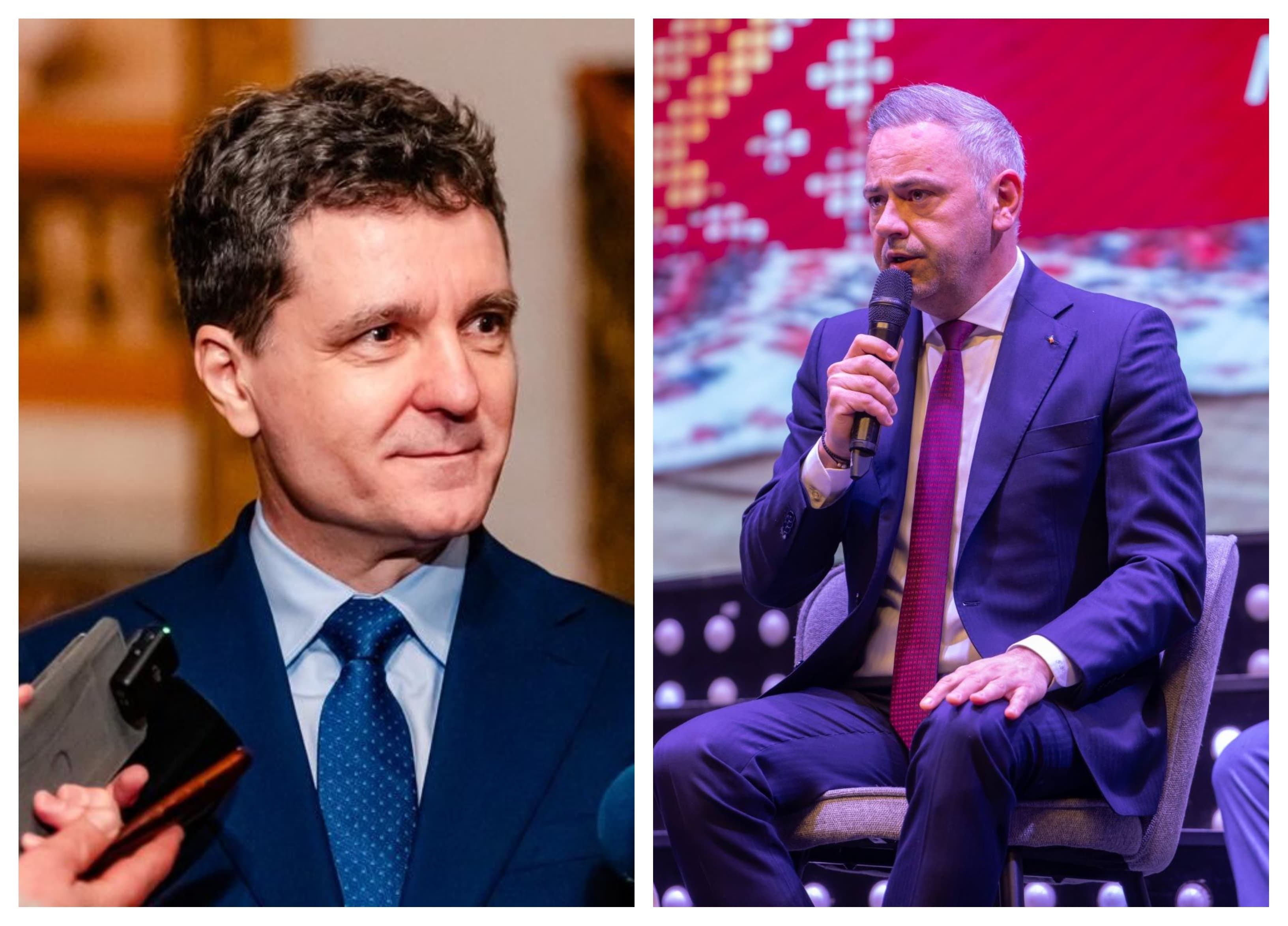
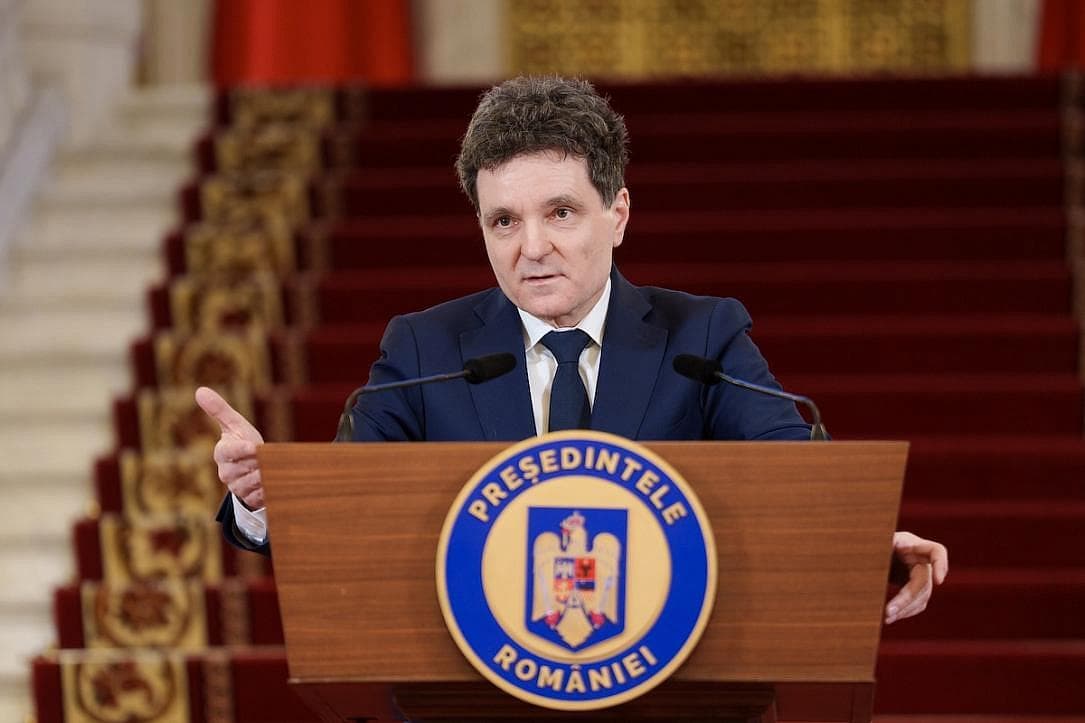
Romanian president and agriculture minister butt heads on EU-Mercosur agreement
Romanian agriculture minister Florin Barbu argued that the EU-Mercosur deal “is nothing more than an economic and interest-based agreement,” conceived “for certain companies that want to import and flood the markets of the European Union with low-quality products.” On the same day, Romanian president Nicusor Dan said the deal is “extremely beneficial” to Romania, especially to its critical automotive industry.
The statements, given in an interview broadcast on Saturday, January 24, by Prima TV, come after Romania endorsed the free trade deal through its president and foreign minister. However, the agreement received criticism from the Social Democratic Party (or PSD), part of the government coalition, and the far-right opposition Alliance for the Union of Romanians Party (or AUR).
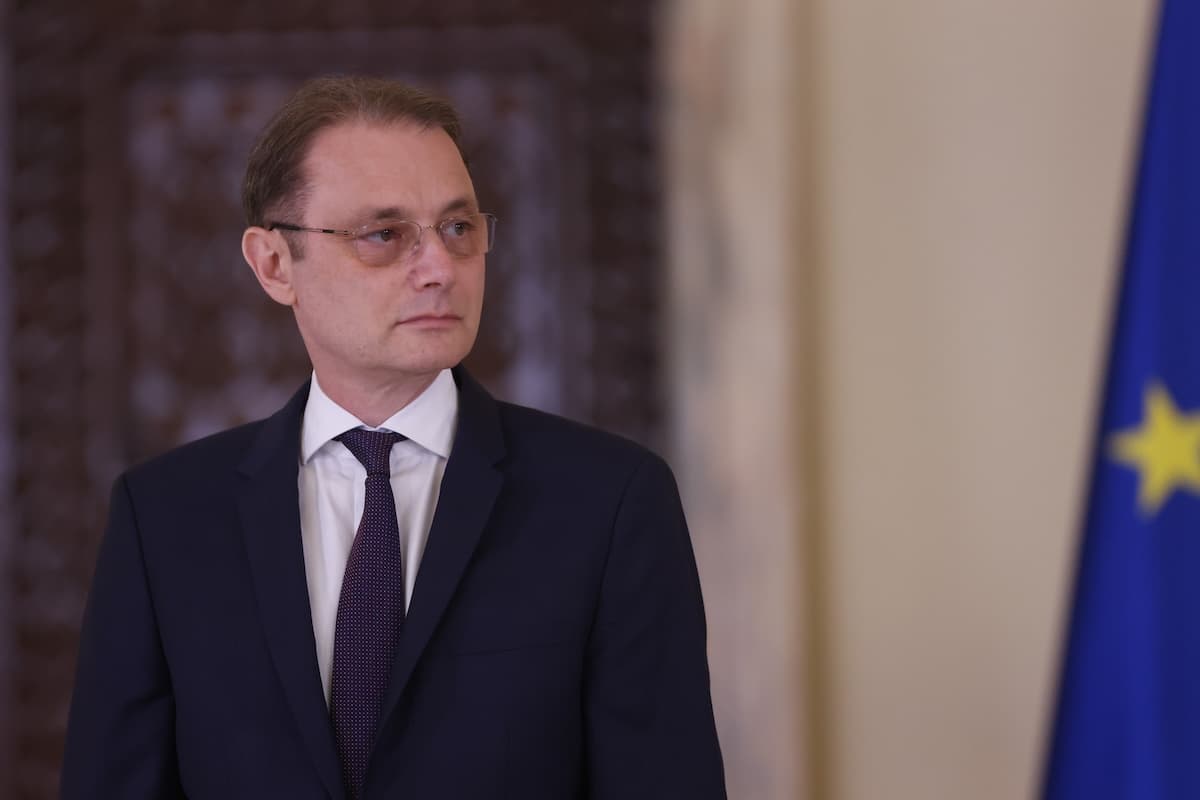
Barbu, who is part of PSD, said he requested a 2-year grace period in the agricultural sector to protect farmers, given that pesticides and banned substances are used by farmers in the Mercosur area. The latter would be advantaged in a direct competition with European farmers, he argued.
The minister explained that he requested “common-sense” guarantees for Romanian and European farmers. “We have very strict conditionalities on Romanian farmers. Neonicotinoids (synthetic insecticides) are banned in the EU, for example,” he said.
He also mentioned that licensing of companies in Latin America that sell to the EU could be done by each state individually, depending on its food needs.
“I requested that any state that trades with the Mercosur area use those products on the territory of the state that carried out this trade, without any longer having the right to carry out intra-community trade in the other states,” the Romanian agriculture minister said.
He complained that all the requests were rejected and that the president of the European Commission is the greatest supporter of the trade deal.
“From my point of view, Mercosur is nothing more than an economic and interest-based agreement, for certain companies that want to import and flood the markets of the European Union with low-quality products, with products that can affect the security, the health of Romanians and of the citizens of the European Union,” Barbu added.
The minister emphasized, however, that he agrees with free trade.
”The free trade part, I support it. I did not say that Mercosur was not good. But when you open a free market, without data, without certain conditionalities, without impact studies, we can turn everything into a dumping area, so that we can destroy agriculture in Romania and farmers in Romania,” he added.
In turn, president Nicusor Dan said that Romania “has an official position formed over 10 years” in support of the EU-Mercosur deal, which has been debated at the Union level for about 25 years.
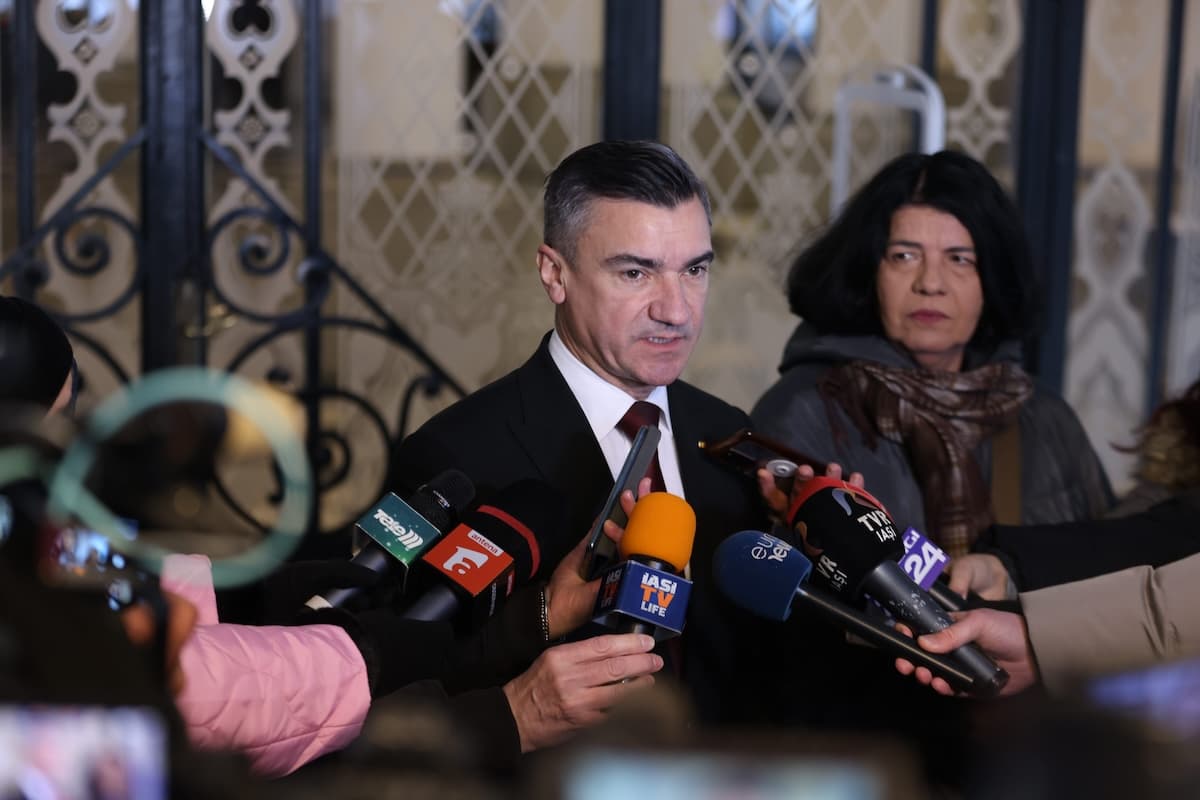
During a press statement in Iași cited by HotNews, the head of state described the deal as “something extremely beneficial for Romania,” saying that it can bring significant additional revenues for the automotive industry, which ensures “about half” of the exports of around EUR 90 billion that Romania makes annually.
“Imagine what an additional market means for the entire European automotive industry, of which Romania is an important component. I estimate that it can bring an increase of 10%, maybe 15% to the automotive industry in Romania,” Nicușor Dan said, estimating that EUR 5 billion could enter the country yearly from the said growth.
Last week, the European Parliament voted to send the deal to the European Court of Justice (or CJEU) for a legal check. The vote was close, with 334 members in favor and 324 against.
Negotiated since 1999, the EU-Mercosur agreement was supported by the majority of EU member states. Romania backed the deal after securing concessions aimed at protecting sensitive sectors, particularly agriculture. The agreement creates one of the largest free trade areas in the world between the European Union, Brazil, Argentina, Paraguay, and Uruguay, representing more than 700 million consumers. Once implemented, it will allow EU states to export more cars, machinery, wines, and spirits to Latin America, while at the same time facilitating the entry into Europe of beef, sugar, rice, honey, and soy from South America.
(Photo source: Nicusor Dan and Florin Barbu on Facebook)