Quiet as the new luxury: A residential community is redefining urban living in Bucharest
For many years, Bucharest’s real estate story was simple: closer to the center meant better. Noise, traffic, and density were accepted as part of city life, almost as proof that you had “made it.” Today, many are questioning that logic.

For many years, Bucharest’s real estate story was simple: closer to the center meant better. Noise, traffic, and density were accepted as part of city life, almost as proof that you had “made it.” Today, many are questioning that logic.
In Bucharest, quiet has become harder to find and, therefore, more valuable. This shift reflects a deeper change in how urban success is defined: calm, space, and daily well-being are starting to matter as much as location.
The change is most visible among people with demanding, fast-paced careers: entrepreneurs, doctors, lawyers, pilots, IT specialists, and senior managers. Their days are full, often intense, and rarely predictable. For them, home is no longer just an address but a place where they want to slow down.
Many of them have lived abroad or worked in cities where green space, silence, and good light are not seen as luxuries, but as basic conditions for living well. Coming back to Bucharest, they are less willing to compromise.
Instead of asking how close a home is to everything, they ask simpler, more personal questions: • Can I open a window without hearing traffic? • Can my children play outside safely? • Can I actually rest when I get home?
These questions are quietly reshaping the idea of what “premium” really means.
Where to find tranquility in Bucharest?
Northern Bucharest has long been one of the city’s most desirable areas, known for its established neighborhoods, business and diplomatic zones, and proximity to top international schools.
But even here, calm is no longer guaranteed. Traffic has increased, empty plots have disappeared, and truly quiet streets are becoming rare.
That is why low-density residential developments with clearly defined boundaries are gaining attention. They don’t try to impress through size or spectacle. Instead, they focus on things that are felt rather than seen: space, light, privacy, and the absence of constant noise.
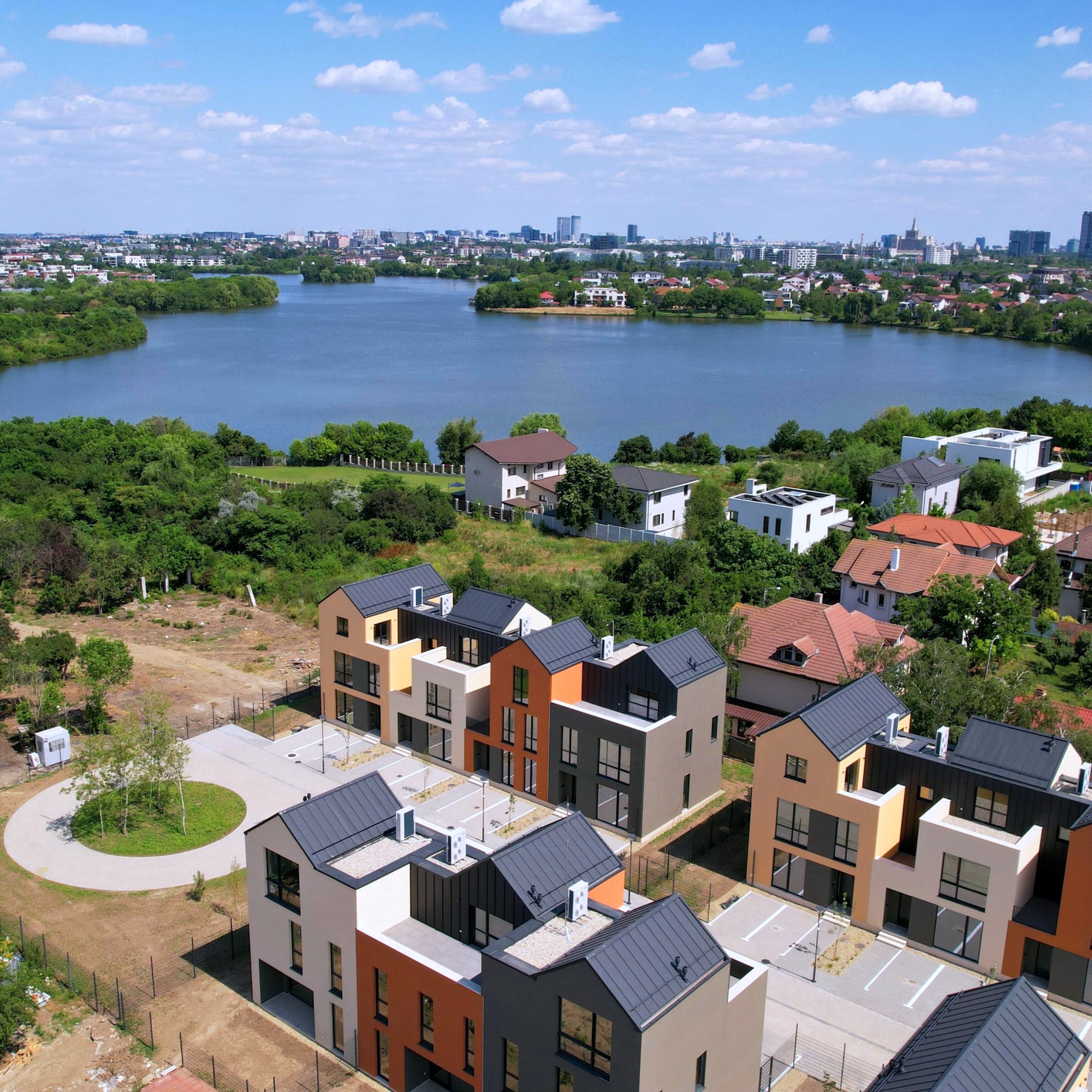
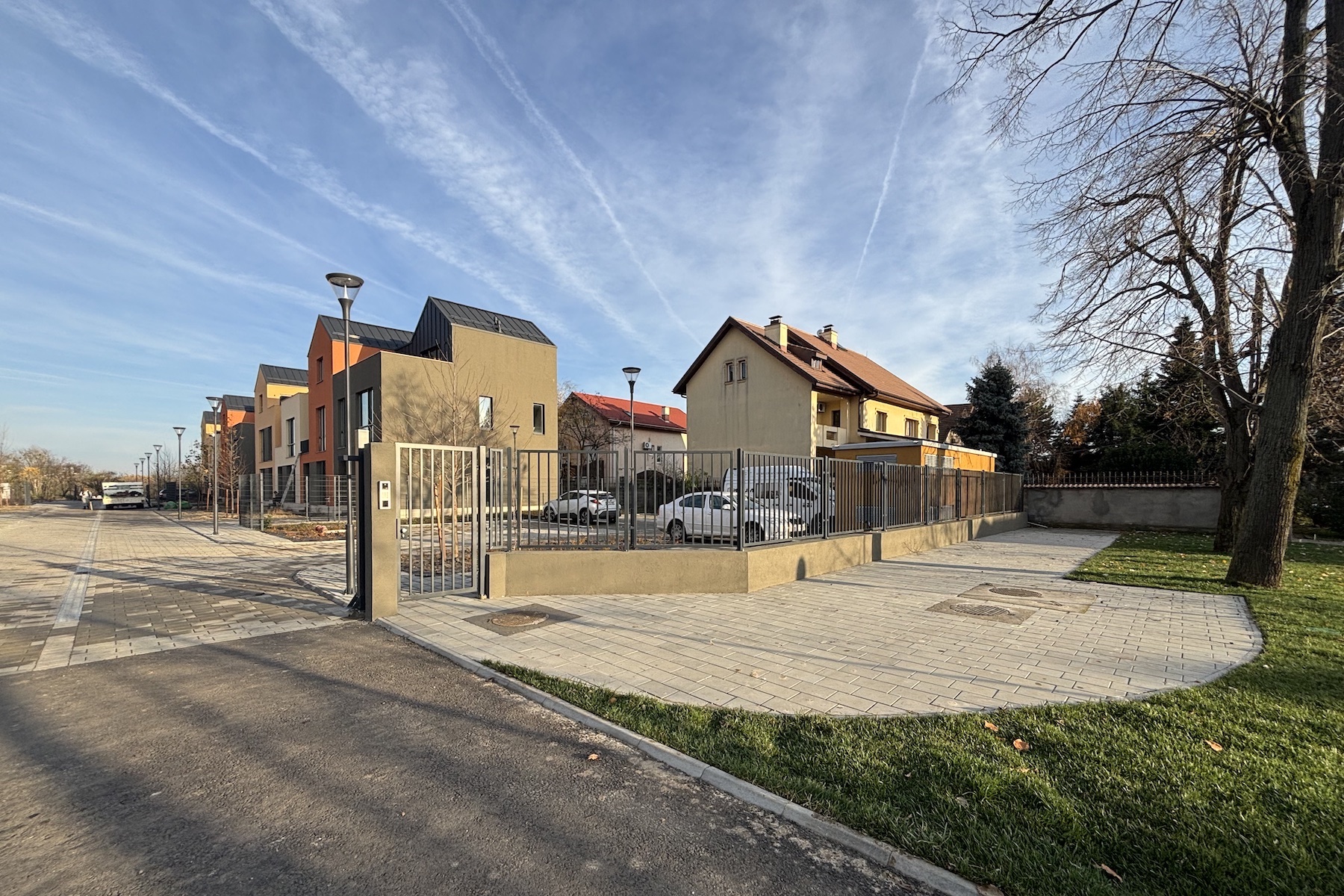
The Meadows, a townhouse community built on the edge of Grivița Lake in Sector 1, is one such example. Designed as a coherent, gated residential ensemble, the project reflects a more thoughtful approach to urban living — one that values balance over intensity. Its phased development allows the community to grow organically, while preserving low density, greenery, and a strong sense of separation from the surrounding city.