Romanian Film Review – Berlinale Impressions & Expressions
The Berlinale, aka the Berlin International Film Festival wrapped up two weeks ago and I’ve been meaning to write about it for days, but the traditional post-festival cold was the first reason for my delay, topped by a following massive…
Ioana Moldovan · Journalist
· Updated · 4 min read
The Berlinale, aka the Berlin International Film Festival wrapped up two weeks ago and I’ve been meaning to write about it for days, but the traditional post-festival cold was the first reason for my delay, topped by a following massive one. In a disturbing turn of events (there is no milder word to use although I am not surprised), after its Award Ceremony the festival and its director went through an absurd, rough public argument regarding freedom of expression and the festival’s political profile, related (once again) to the German discourse around Palestine and Israel. I cannot summarise the matter thoroughly in a few sentences, but you can follow it in the industry press. I have to say it kept me, and many of us, refreshing news sites and social media comments while everything else took a back seat. But now, that the situation seems to have been defused to a certain degree, I am returning to the festival’s content: its films.
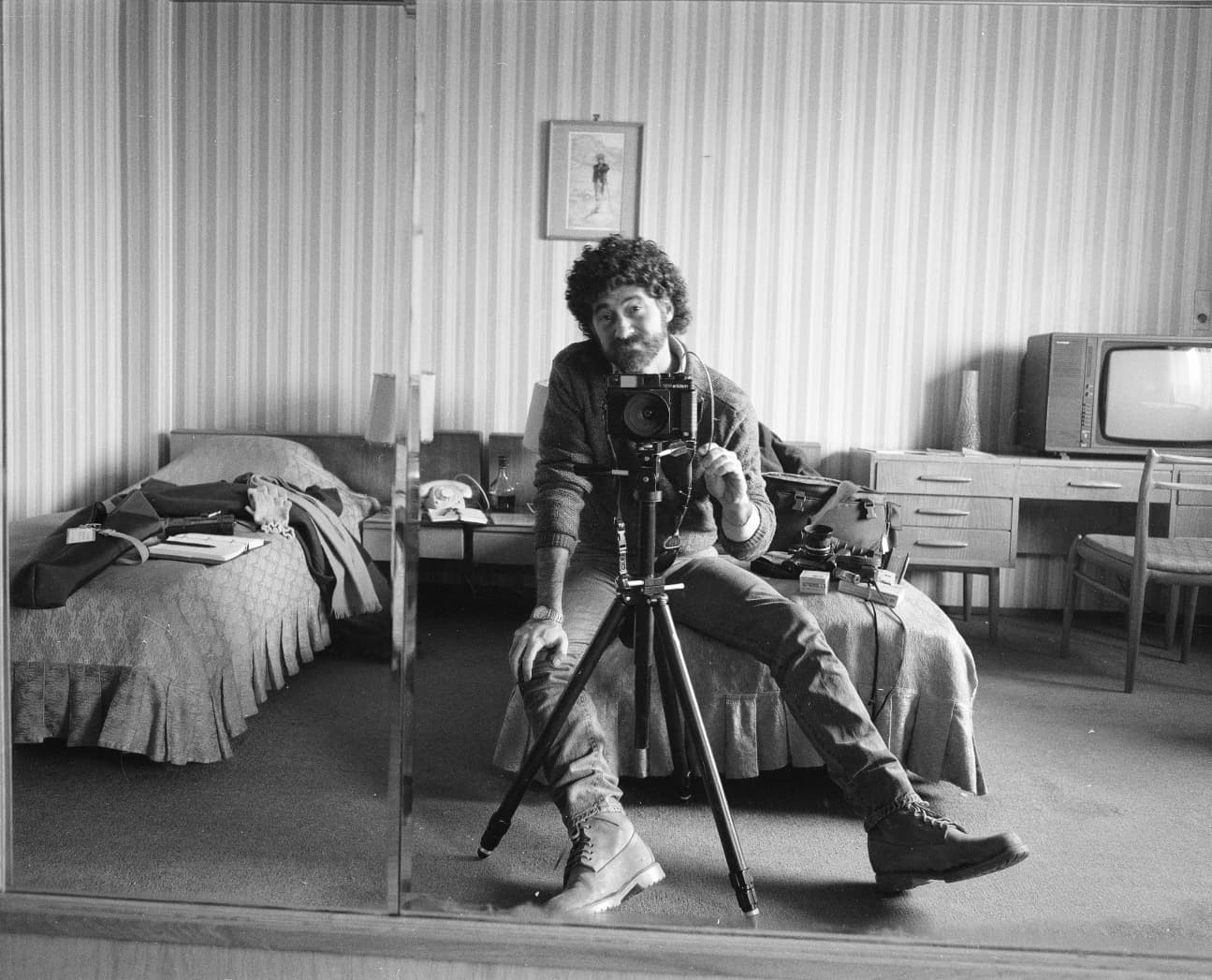
I am jumping straight in with Romanian cinema and its good year at the fest. Regular attendee Radu Jude teamed up once again with historian Adrian Cioflâncă and entered a short film. Plan contraplan/ Shot Reverse Shot uses archival photographic material (my favourite genre of Jude films) and explores both theories of seeing and footage of Jewish life in communist Romania. It sets against each other photos shot by US photographer Edward Serotta between 1985 and 1987 and the pics taken of him by the Securitate. It’s sharp, formally precise, and revelatory. Jude’s entry served as an incentive to dedicate more time to the Berlinale Shorts again – I neglected them a bit in recent years, sorry, Shorts! – and there were so many lovely discoveries: Marthe Peters’s tender meditation on fragility, closeness, wonder, and love of pets Henry Is a Girl Who Likes to Sleep; JingkaiQu’s rigorous, terrifically assured study of a young boy in a cold environment in Di san xian/ Kleptomania; to Gaël Kamilindi’s deliriously sensual and thoughtful take on queer love and its representation in Taxi Moto.