Romania to take over presidency of South-East European Cooperation Process

12 February 2026

Starting July 1, Romania will take over the rotating presidency of the South-East European Cooperation Process from Bulgaria until June 30, 2027.

According to a statement from the Ministry of Foreign Affairs, Romania’s mandate will last one year and will be officially taken over at the SEECP Summit in Sofia, scheduled for June 2026. The institution noted that by assuming this responsibility, Romania reaffirms its commitment to regional cooperation, good-neighborly relations, and supporting the EU enlargement process.

Romania’s presidency will focus on accelerating the European integration of partners involved in the process; revitalizing regional cooperation, with an emphasis on energy, transport, and digital connectivity; intensifying political and economic dialogue among participants; and strengthening regional resilience in the face of current geopolitical challenges and hybrid attacks, the MAE specified.

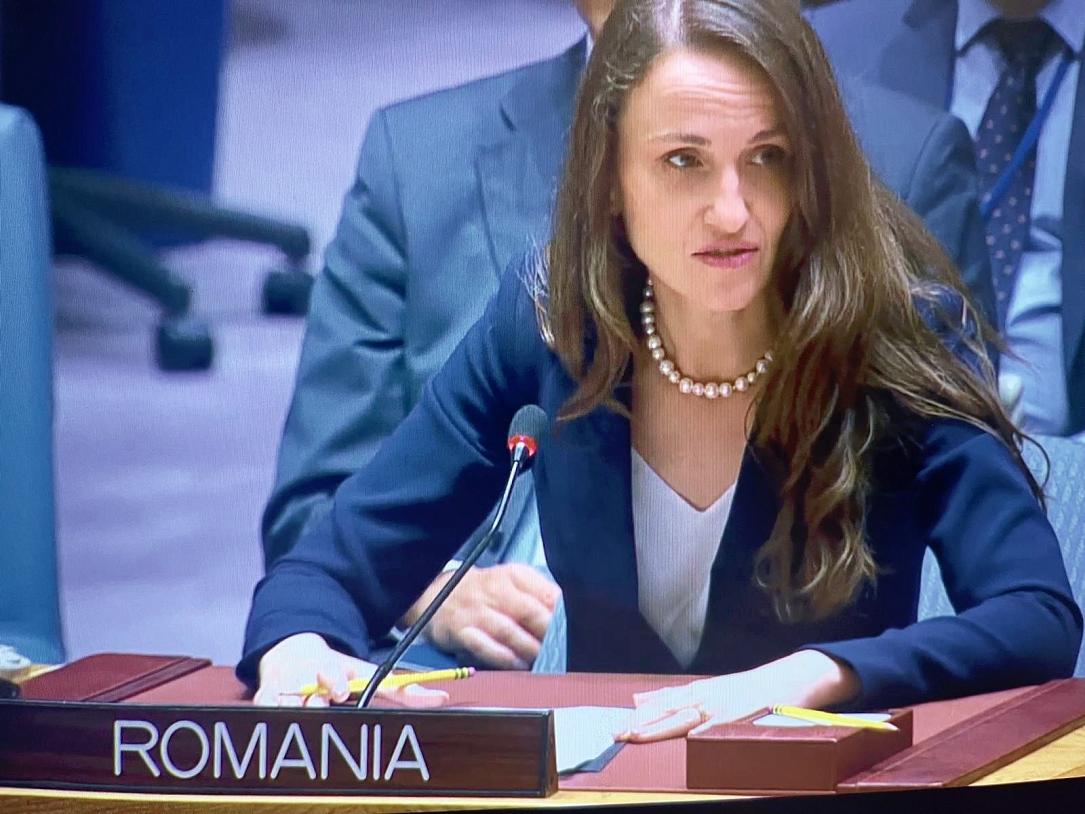
“Romania aims to be an active and constructive partner within SEECP, promoting stability, security, and the sustainable development of the region. We will continue to support the European and Euro-Atlantic perspective of the states of South-East Europe and to capitalize on the role of SEECP as the authentic voice of the region, a voice that we intend to actively represent also at the EU level,” stated foreign minister Oana Țoiu, cited by Agerpres.

SEECP is a non-institutionalized regional cooperation structure - a political forum managed exclusively by participants from South-East Europe. It was established in 1996, when the foundations were laid for a new form of cooperation following the emergence of new states on the territory of the former Yugoslavia.

The SEECP participants are Albania, Bosnia and Herzegovina, Bulgaria, Croatia, Greece, Kosovo, North Macedonia, the Republic of Moldova, Montenegro, Romania, Serbia, Slovenia, and Turkey. 

The reference document for SEECP activities is the Charter of Good-Neighborly Relations, Stability, Security, and Cooperation in South-East Europe (‘The Bucharest Charter’), signed on February 12, 2000, in Bucharest.

SEECP operates through annual summits at the level of heads of state, meetings of Ministers of Foreign Affairs, sectoral ministerial meetings in areas of common interest, expert meetings, meetings of SEECP political directors, and meetings of the SEECP Troika (director-level, with representation of the current presidency, the previous presidency, and the next presidency).

Being non-institutionalized, without its own budget or financing programs, SEECP relies on the operational support of the Regional Cooperation Council (RCC), established on February 27, 2008, as the successor to the Stability Pact for South-East Europe, and functioning as a focal point for regional cooperation.

Romania has previously held three mandates at the leadership of SEECP: 1999–2000, 2004–2005, and 2013–2014.

radu@romania-insider.com

(Photo source: Oana Toiu on Facebook)

Normal

Romania to take over presidency of South-East European Cooperation Process
12 February 2026

Starting July 1, Romania will take over the rotating presidency of the South-East European Cooperation Process from Bulgaria until June 30, 2027.

According to a statement from the Ministry of Foreign Affairs, Romania’s mandate will last one year and will be officially taken over at the SEECP Summit in Sofia, scheduled for June 2026. The institution noted that by assuming this responsibility, Romania reaffirms its commitment to regional cooperation, good-neighborly relations, and supporting the EU enlargement process.

Romania’s presidency will focus on accelerating the European integration of partners involved in the process; revitalizing regional cooperation, with an emphasis on energy, transport, and digital connectivity; intensifying political and economic dialogue among participants; and strengthening regional resilience in the face of current geopolitical challenges and hybrid attacks, the MAE specified.

“Romania aims to be an active and constructive partner within SEECP, promoting stability, security, and the sustainable development of the region. We will continue to support the European and Euro-Atlantic perspective of the states of South-East Europe and to capitalize on the role of SEECP as the authentic voice of the region, a voice that we intend to actively represent also at the EU level,” stated foreign minister Oana Țoiu, cited by Agerpres.

SEECP is a non-institutionalized regional cooperation structure - a political forum managed exclusively by participants from South-East Europe. It was established in 1996, when the foundations were laid for a new form of cooperation following the emergence of new states on the territory of the former Yugoslavia.

The SEECP participants are Albania, Bosnia and Herzegovina, Bulgaria, Croatia, Greece, Kosovo, North Macedonia, the Republic of Moldova, Montenegro, Romania, Serbia, Slovenia, and Turkey. 

The reference document for SEECP activities is the Charter of Good-Neighborly Relations, Stability, Security, and Cooperation in South-East Europe (‘The Bucharest Charter’), signed on February 12, 2000, in Bucharest.

SEECP operates through annual summits at the level of heads of state, meetings of Ministers of Foreign Affairs, sectoral ministerial meetings in areas of common interest, expert meetings, meetings of SEECP political directors, and meetings of the SEECP Troika (director-level, with representation of the current presidency, the previous presidency, and the next presidency).

Being non-institutionalized, without its own budget or financing programs, SEECP relies on the operational support of the Regional Cooperation Council (RCC), established on February 27, 2008, as the successor to the Stability Pact for South-East Europe, and functioning as a focal point for regional cooperation.

Romania has previously held three mandates at the leadership of SEECP: 1999–2000, 2004–2005, and 2013–2014.

radu@romania-insider.com

(Photo source: Oana Toiu on Facebook)
Normal

Romania Insider Free Newsletters