Romania keeps policy rate at 6.5%, signals minor adjustment to inflation outlook

18 February 2026

Romania’s central bank BNR on February 17 maintained the policy rate at 6.5%, in line with expectations, and signalled minor adjustments to the inflation outlook to be updated on February 18. The expectations about the first interest rate cut, which has been maintained at this level since August 2024, range from May to August.

The National Bank of Romania (BNR) sees, under current projections, the year-end inflation at 3.7% and is expected to slightly increase its projection under the revised inflation outlook. The year-end inflation is currently seen at 4.4%-4.5% by ING and Erste Group, after base effects will become visible in July-August. 
As regards lowering the monetary policy rate, Erste and ING expect such a move could follow in May, pending the revised inflation outlook expected from the BNR on February 18. Other analysts (such as Libra Bank) expect the BNR to defer this first step. Capital Economics also expects a more cautious stance of the monetary authority and pensions in August as the expected moment for the next rate cut.

"We believe that the resumption of the monetary easing cycle is still far away. We maintain our forecast that the next interest rate cut will come in August and that the monetary policy rate will end 2026 at 5.75%," wrote Nicholas Farr, emerging Europe economist at Capital Economics, in a brief analysis comment sent after the BNR’s press release and cited by Cursdeguvernare.ro.

The policy rate would drop to 5.25%-5.5% by the year-end, according to local analysts, while Capital Economics remains cautious with a 5.75% projection.

The annual inflation rate entered a mildly downward path at the beginning of Q4 2025, falling to 9.69% in December from 9.88% in September, under the impact of the significant declines in the dynamics of fuel and volatile food and energy prices during this period.

The annual adjusted CORE2 inflation rate continued, however, to pick up during 2025 Q4, climbing to 8.5 percent in December from 8.1 percent in September, amid the persistent influences stemming from the dynamics of wage costs and the high level of short-term inflation expectations, alongside those coming from the indirect effects of electricity price hikes, as well as from the rises in some agri-food commodity prices and the EUR/RON exchange rate.

Romania’s central bank confirmed the inflation outlook profile, with a slight increase in the annual headline inflation during Q2, followed by a steep deceleration through Q3 in line with the base effects. But it mentions significant risks, which may turn into a slight upward revision of the year-end projection.

Uncertainties are, nevertheless, still associated with the measures likely to be adopted in the future in order to continue budget consolidation beyond this year in line with the National Medium-Term Fiscal-Structural Plan agreed with the European Commission and with the excessive deficit procedure.

Significant uncertainties and risks to the outlook for economic activity, implicitly the medium-term inflation developments, arise from the external environment, given on one hand the geopolitical conflicts and the global trade tensions, and on the other hand the plans to increase defence and infrastructure investment spending in EU countries.

iulian@romania-insider.com

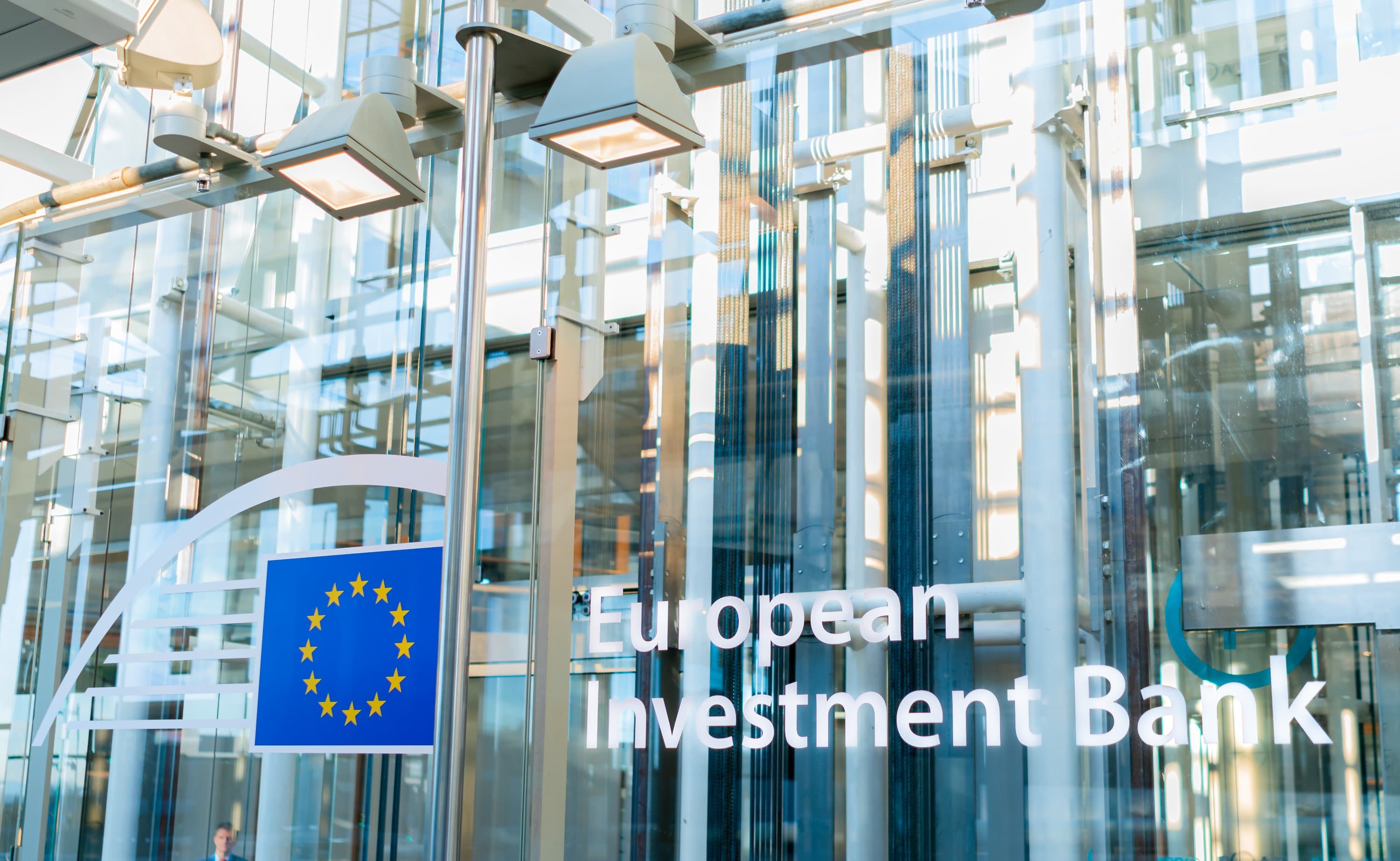
(Photo source: Lcva/Dreamstime.com)

Normal

Romania keeps policy rate at 6.5%, signals minor adjustment to inflation outlook

18 February 2026

Romania’s central bank BNR on February 17 maintained the policy rate at 6.5%, in line with expectations, and signalled minor adjustments to the inflation outlook to be updated on February 18. The expectations about the first interest rate cut, which has been maintained at this level since August 2024, range from May to August.

The National Bank of Romania (BNR) sees, under current projections, the year-end inflation at 3.7% and is expected to slightly increase its projection under the revised inflation outlook. The year-end inflation is currently seen at 4.4%-4.5% by ING and Erste Group, after base effects will become visible in July-August. 
As regards lowering the monetary policy rate, Erste and ING expect such a move could follow in May, pending the revised inflation outlook expected from the BNR on February 18. Other analysts (such as Libra Bank) expect the BNR to defer this first step. Capital Economics also expects a more cautious stance of the monetary authority and pensions in August as the expected moment for the next rate cut.

"We believe that the resumption of the monetary easing cycle is still far away. We maintain our forecast that the next interest rate cut will come in August and that the monetary policy rate will end 2026 at 5.75%," wrote Nicholas Farr, emerging Europe economist at Capital Economics, in a brief analysis comment sent after the BNR’s press release and cited by Cursdeguvernare.ro.

The policy rate would drop to 5.25%-5.5% by the year-end, according to local analysts, while Capital Economics remains cautious with a 5.75% projection.

The annual inflation rate entered a mildly downward path at the beginning of Q4 2025, falling to 9.69% in December from 9.88% in September, under the impact of the significant declines in the dynamics of fuel and volatile food and energy prices during this period.

The annual adjusted CORE2 inflation rate continued, however, to pick up during 2025 Q4, climbing to 8.5 percent in December from 8.1 percent in September, amid the persistent influences stemming from the dynamics of wage costs and the high level of short-term inflation expectations, alongside those coming from the indirect effects of electricity price hikes, as well as from the rises in some agri-food commodity prices and the EUR/RON exchange rate.

Romania’s central bank confirmed the inflation outlook profile, with a slight increase in the annual headline inflation during Q2, followed by a steep deceleration through Q3 in line with the base effects. But it mentions significant risks, which may turn into a slight upward revision of the year-end projection.

Uncertainties are, nevertheless, still associated with the measures likely to be adopted in the future in order to continue budget consolidation beyond this year in line with the National Medium-Term Fiscal-Structural Plan agreed with the European Commission and with the excessive deficit procedure.

Significant uncertainties and risks to the outlook for economic activity, implicitly the medium-term inflation developments, arise from the external environment, given on one hand the geopolitical conflicts and the global trade tensions, and on the other hand the plans to increase defence and infrastructure investment spending in EU countries.

iulian@romania-insider.com

(Photo source: Lcva/Dreamstime.com)

Normal

Romania Insider Free Newsletters