Transport minister says Romania in talks with Hyundai for local H2-powered train production

12 February 2026

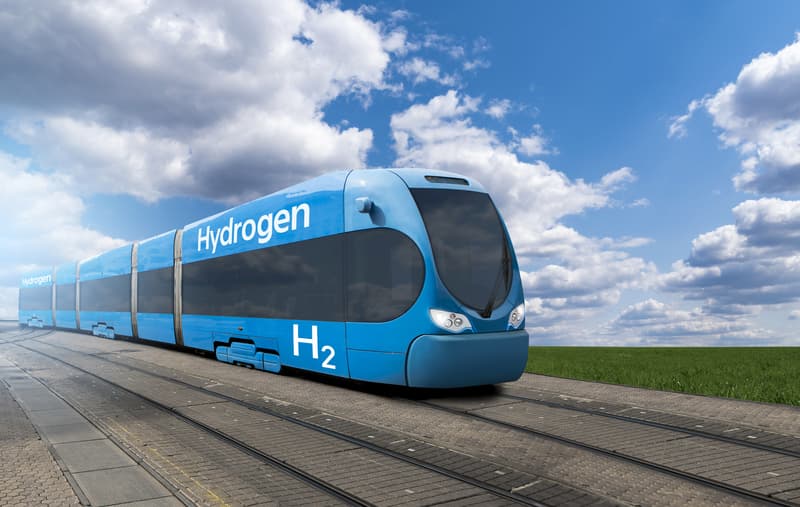
Transport minister Ciprian Serban, after meeting Hyundai Rotem CEO Yong Bae Lee, announced Project Dacia – a broad proposal aimed at localising rolling stock production in Romania, developing hydrogen trains, defining the stages for a future high-speed railway, and using solid export credit financing mechanisms. Hyundai Rotem is a Hyundai Motor division that has already unveiled its first hydrogen-powered tram in 2023 and is developing H2 tram projects with the municipalities of Daejeon and Ulsan.

The collaboration with the Hyundai group would position Romania as a European hub of railway production and innovation, with export potential, minister Serban said in a Facebook post. 

The collaboration would generate more benefits for Romania, such as developing a competitive local railway industry through local facilities, technological transfer, and modern supply chains.

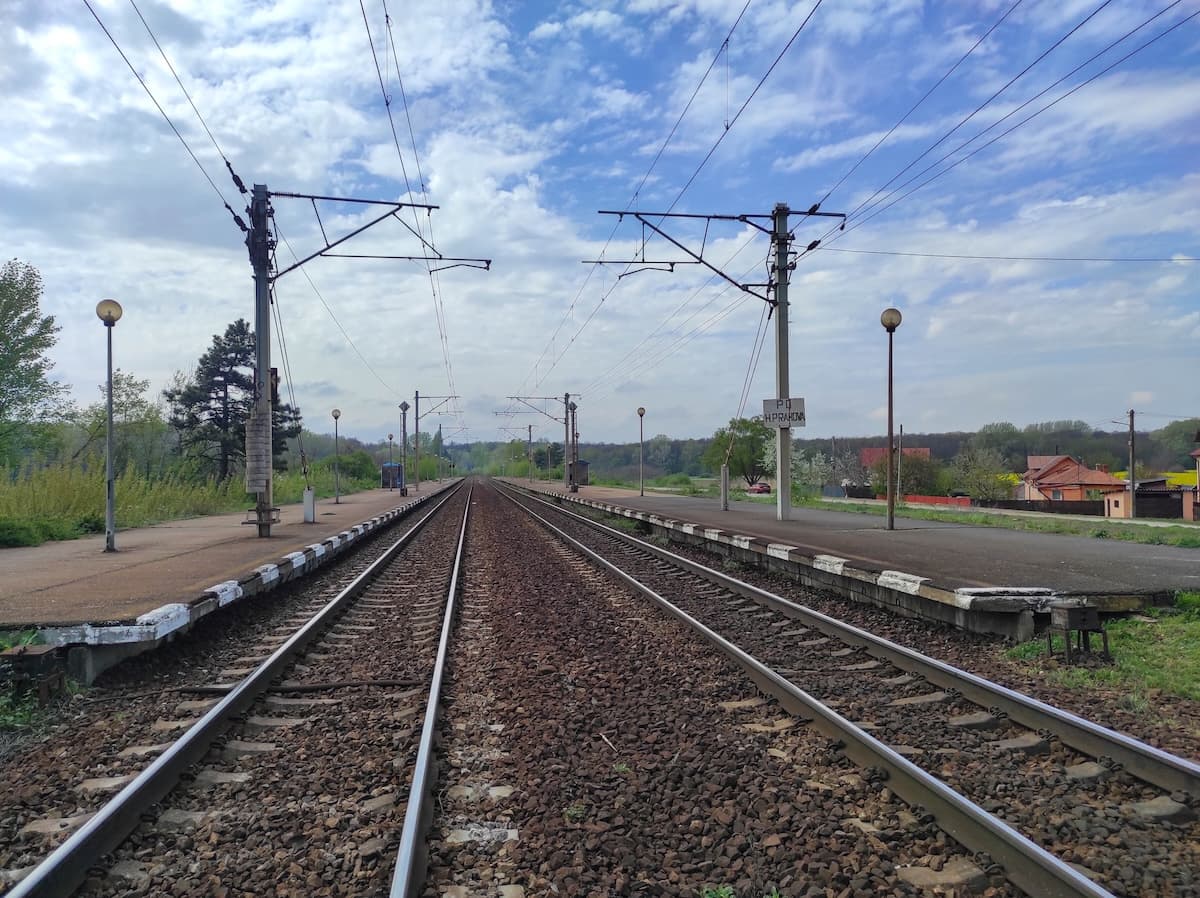
The announcement touches on two of Romania’s highly ambitious projects: the procurement of hydrogen-powered trains for the non-electrified routes and the construction of a high-speed rail route to Hungary. While the latter seems a long shot with no predictable timeline, Hyundai’s hydrogen-powered rolling stock production is a more mature project that would greatly benefit Romania under the scenario of a foreign investment project.

A procurement process for H2 trains risks losing financing at the expiry of the Resilience Facility this year. At this moment, the authorities reportedly have an offer from Siemens. 

Separately, the Budapest-Bucharest (-Constanta) high-speed rail project is in a very incipient stage. Canada’s Atkins Realis has drafted an “opportunity study” on how a Constanta-Oradea high-speed rail line would look, according to Profit, citing the document. The process has not reached the pre-feasibility study stage.

"The study was carried out by the international consortium Atkins Ralis and aimed to analyze the necessary conditions for the development of a high-speed train system, by capitalizing on the experience of other European states, identifying technical, investment and operational requirements, assessing economic and financial feasibility, as well as defining the necessary steps, including institutional ones, for the implementation of such a project, integrated into the TEN-T network. The study analysed projects already implemented in France, Germany, Spain, and Turkey and highlighted the importance of phasing investments, using the ERTMS/ETCS Level 2 system and ensuring stable long-term financing," the cited source said, as reported by Profit.ro.

The European Commission (EC) unveiled last November a comprehensive plan to accelerate the development of high-speed rail across the EU, including by shortening the time for the Bucharest-Budapest route from 15 hours currently to 6 hours – the steepest improvement across the entire continent due to the low starting point. The plan aims to deliver a well-functioning and faster high-speed rail network by 2040.

iulian@romania-insider.com

(Photo source: Scharfsinn86/Dreamstime.com)

Normal

Transport minister says Romania in talks with Hyundai for local H2-powered train production

12 February 2026

Transport minister Ciprian Serban, after meeting Hyundai Rotem CEO Yong Bae Lee, announced Project Dacia – a broad proposal aimed at localising rolling stock production in Romania, developing hydrogen trains, defining the stages for a future high-speed railway, and using solid export credit financing mechanisms. Hyundai Rotem is a Hyundai Motor division that has already unveiled its first hydrogen-powered tram in 2023 and is developing H2 tram projects with the municipalities of Daejeon and Ulsan.

The collaboration with the Hyundai group would position Romania as a European hub of railway production and innovation, with export potential, minister Serban said in a Facebook post. 

The collaboration would generate more benefits for Romania, such as developing a competitive local railway industry through local facilities, technological transfer, and modern supply chains.

The announcement touches on two of Romania’s highly ambitious projects: the procurement of hydrogen-powered trains for the non-electrified routes and the construction of a high-speed rail route to Hungary. While the latter seems a long shot with no predictable timeline, Hyundai’s hydrogen-powered rolling stock production is a more mature project that would greatly benefit Romania under the scenario of a foreign investment project.

A procurement process for H2 trains risks losing financing at the expiry of the Resilience Facility this year. At this moment, the authorities reportedly have an offer from Siemens. 

Separately, the Budapest-Bucharest (-Constanta) high-speed rail project is in a very incipient stage. Canada’s Atkins Realis has drafted an “opportunity study” on how a Constanta-Oradea high-speed rail line would look, according to Profit, citing the document. The process has not reached the pre-feasibility study stage.

"The study was carried out by the international consortium Atkins Ralis and aimed to analyze the necessary conditions for the development of a high-speed train system, by capitalizing on the experience of other European states, identifying technical, investment and operational requirements, assessing economic and financial feasibility, as well as defining the necessary steps, including institutional ones, for the implementation of such a project, integrated into the TEN-T network. The study analysed projects already implemented in France, Germany, Spain, and Turkey and highlighted the importance of phasing investments, using the ERTMS/ETCS Level 2 system and ensuring stable long-term financing," the cited source said, as reported by Profit.ro.

The European Commission (EC) unveiled last November a comprehensive plan to accelerate the development of high-speed rail across the EU, including by shortening the time for the Bucharest-Budapest route from 15 hours currently to 6 hours – the steepest improvement across the entire continent due to the low starting point. The plan aims to deliver a well-functioning and faster high-speed rail network by 2040.

iulian@romania-insider.com

(Photo source: Scharfsinn86/Dreamstime.com)

Normal

Romania Insider Free Newsletters