Romania drafting anti-poverty and social inclusion strengthening strategy in line with EU plans

08 May 2026

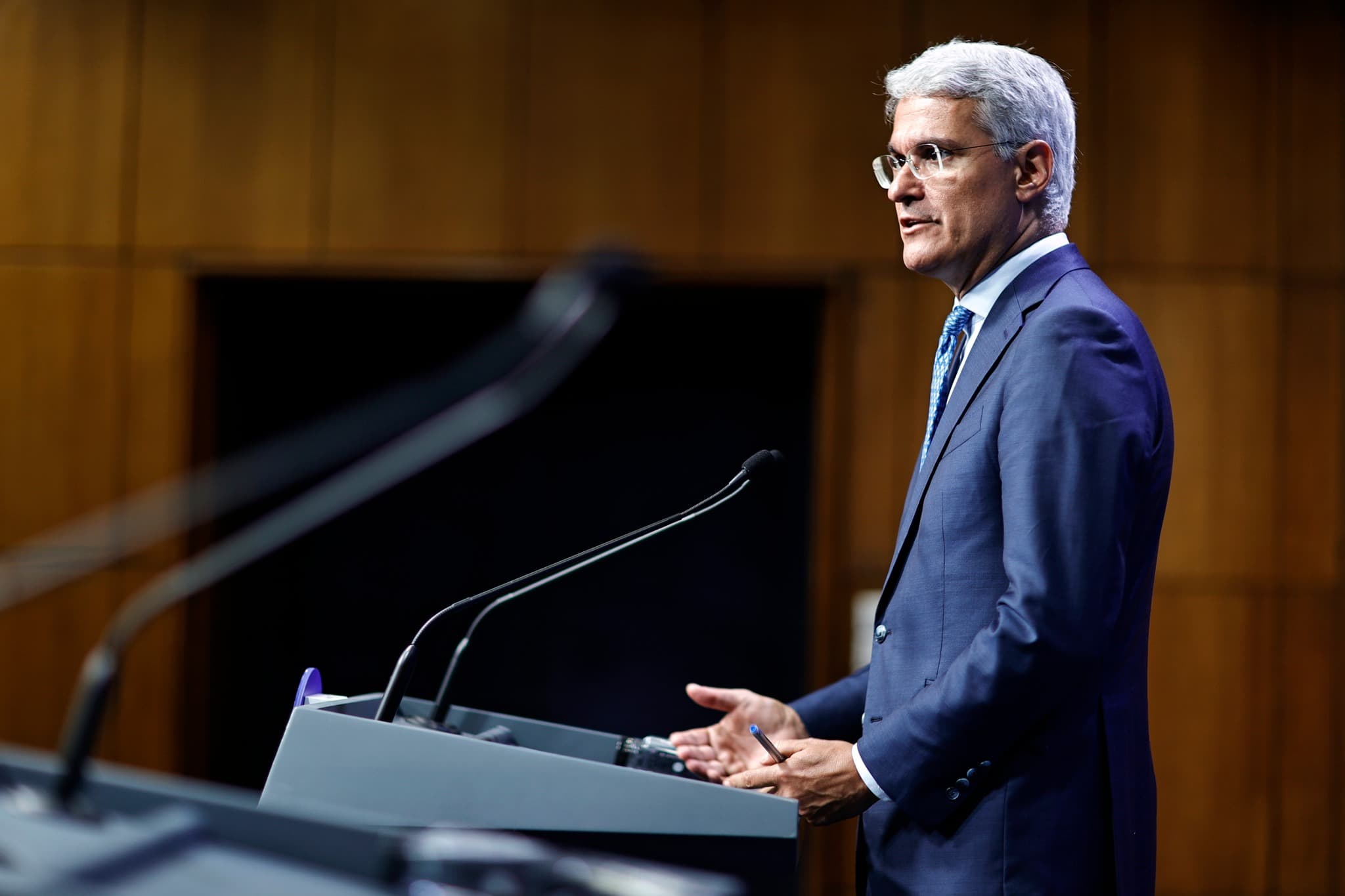
Romania has begun drafting a national anti-poverty and social inclusion strengthening strategy, according to interim labor minister Dragoș Pîslaru. One in five Romanians lives close to the poverty line, the minister said on Thursday, May 7.

Romania is the first EU member state to have initiated steps for drafting a national anti-poverty and social inclusion strengthening strategy, the official said. As part of the drafting effort, the government submitted documents in hopes of obtaining EUR 3 million in financing from the 2021-2027 Technical Assistance Program.
Pîslaru, who also heads the Ministry of Investments and European Projects, said that Romania will launch the call for the 2028-2034 roadmap for the next EU multiannual financial framework.

“We have allocated a significant amount of money for all ministries that wish to prepare their strategic framework, because we need to know why we spend money before we actually spend it. This time, the Ministry of Labor is reacting, and we are aligning ourselves with the European strategy,” mentioned Dragoș Pîslaru, cited by Euronews Romania.

The minister explained that the project set to be financed refers to “increasing the administrative capacity of the authorities” and is meant for all institutions connected to policies related to combating poverty.

The new strategy is also a continuation. Roughly 10 years ago, then-minister of labor Dragos Pîslaru adopted the National Anti-Poverty Plan, but poverty is still a problem in Romania.

“Nearly one in five Romanians lives close to the poverty line. It depends on how we measure it, but it is very important to understand what this means: reduced participation in the labor market, health problems, high social costs, and loss of human capital,” he explained.

The official highlighted that 19.2% of young people in Romania are currently not in formal education or in a job. Romania also has roughly one million children living in various forms of vulnerability and risk of social exclusion.

On the other hand, Romania has a problem regarding healthy life expectancy at the age of 65, which requires serious measures in the public health system, according to the minister.

The official also explained that past governments tackled poverty as an issue that could be solved through payments, the so-called “transfers.” 

“Transfers, to be very clear, do have their effect, meaning they are useful social policy measures, but they are not sufficient,” Pîslaru said.

The minister further argued that roughly 19% of the population is not economically active, and this represents an enormous potential.

radu@romania-insider.com

(Photo source: Facebook/Dragos Pislaru)

Normal

Romania drafting anti-poverty and social inclusion strengthening strategy in line with EU plans

08 May 2026

Romania has begun drafting a national anti-poverty and social inclusion strengthening strategy, according to interim labor minister Dragoș Pîslaru. One in five Romanians lives close to the poverty line, the minister said on Thursday, May 7.

Romania is the first EU member state to have initiated steps for drafting a national anti-poverty and social inclusion strengthening strategy, the official said. As part of the drafting effort, the government submitted documents in hopes of obtaining EUR 3 million in financing from the 2021-2027 Technical Assistance Program.

Pîslaru, who also heads the Ministry of Investments and European Projects, said that Romania will launch the call for the 2028-2034 roadmap for the next EU multiannual financial framework.

“We have allocated a significant amount of money for all ministries that wish to prepare their strategic framework, because we need to know why we spend money before we actually spend it. This time, the Ministry of Labor is reacting, and we are aligning ourselves with the European strategy,” mentioned Dragoș Pîslaru, cited by Euronews Romania.

The minister explained that the project set to be financed refers to “increasing the administrative capacity of the authorities” and is meant for all institutions connected to policies related to combating poverty.

The new strategy is also a continuation. Roughly 10 years ago, then-minister of labor Dragos Pîslaru adopted the National Anti-Poverty Plan, but poverty is still a problem in Romania.

“Nearly one in five Romanians lives close to the poverty line. It depends on how we measure it, but it is very important to understand what this means: reduced participation in the labor market, health problems, high social costs, and loss of human capital,” he explained.

The official highlighted that 19.2% of young people in Romania are currently not in formal education or in a job. Romania also has roughly one million children living in various forms of vulnerability and risk of social exclusion.

On the other hand, Romania has a problem regarding healthy life expectancy at the age of 65, which requires serious measures in the public health system, according to the minister.

The official also explained that past governments tackled poverty as an issue that could be solved through payments, the so-called “transfers.” 

“Transfers, to be very clear, do have their effect, meaning they are useful social policy measures, but they are not sufficient,” Pîslaru said.

The minister further argued that roughly 19% of the population is not economically active, and this represents an enormous potential.

radu@romania-insider.com

(Photo source: Facebook/Dragos Pislaru)

Normal

Romania Insider Free Newsletters