Eurostat: Bulgaria, Romania most exposed to poverty and social exclusion
People in Bulgaria and Romania are the most exposed to the risk of poverty and social exclusion, according to a Eurostat study for the year 2025.
Radu Dumitrescu · Journalist
· Updated · 1 min read

People in Bulgaria and Romania are the most exposed to the risk of poverty and social exclusion, according to a Eurostat study for the year 2025.
In 2025, 92.7 million people in the EU (20.9% of the population) were at risk of poverty or social exclusion. These people lived in households experiencing at least 1 of 3 poverty and social exclusion risks: risk of poverty, severe material and social deprivation, and living in a household with very low work intensity.
Of the 92.7 million, 5.7 million live at risk of poverty, severe material and social deprivation, or very low work intensity, while 46.9 million are only on the edge of poverty. Compared with 2024, the number of people at risk decreased by 600,000 persons (from 93.3 million or 21.0% of the population).
Roughly 29% of Bulgaria’s population is exposed to the risk of poverty and social exclusion. This places the country in first place in terms of people living on the edge of poverty among European Union countries. Nearly 1.9 million Bulgarians are at risk of poverty.
After Bulgaria, the highest number of people at the poverty threshold is found in Greece, with 27.5%, and Romania, 27.4%. The countries with the lowest share of the population at risk of poverty are the Czech Republic (11.5%), Poland (15%), and Slovenia (15.5%).
In 2024, Romania was in second place, with 27.9% of its population at risk of poverty.
According to the study, women are more often exposed to the risk of poverty than men. In addition, the largest number of poor people is in the 18–24 age group (26.3%), and the smallest number is in the 50–64 age group.
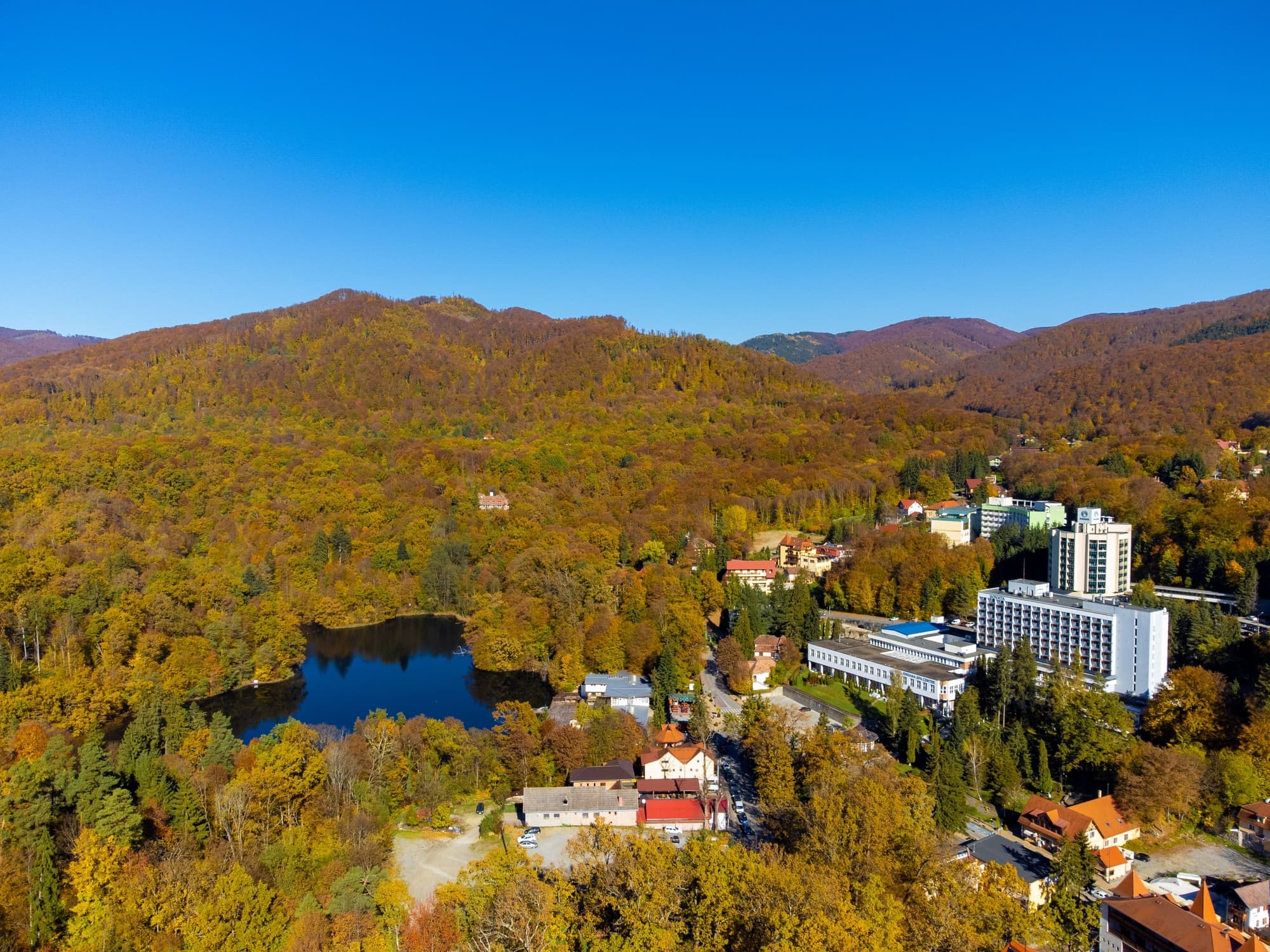
(Photo source: Stanislau V/Dreamstime.com)
Free newsletters
Romania, in your inbox before your first coffee.
Get the Daily — the morning briefing, free, in English, unsubscribe anytime. Want business, real estate or travel digests too? Pick your newsletters →