Private consumption shrinks by 3%-4% in Romania after August fiscal corrective package

12 January 2026

The retail sales volume index in Romania contracted by 4.7% y/y in November 2025 – the fourth consecutive month with a negative annual dynamics – after the VAT rate hike in August and the gloomy economic outlook eroded households’ real incomes and depressed their propensity for consumption. In seasonally-adjusted terms, the retail sales index remained constant compared to October, according to data published by the statistics office INS.

Consumer prices increased by 5.9% in July, when electricity prices were deregulated, and in August, when the VAT rate was hiked from 19% to 21% – reaching a level that was, in July-November 2025, 5.9% above the level seen in the first part of the year. The rise was steeper for the non-food goods (+7.6%) compared to the more moderate advance (+3.7%) of the food prices due to the control maintained by the government on the price of the basic goods. 
Even if the inflation is expected to subside during this year (with upside risks posed by the natural price liberalisation in the spring), the constant wages in the budgetary sector, the rising inflation, and the cautious income policies in the private sector are likely to keep the consumer confidence and the retail sales low through 2026.

Overall, the retail sales in volume terms have stabilised in August-November at a comparatively lower floor, that is, 3.6% lower compared to the average sales in the first seven months of the year (in seasonally adjusted terms) and by 3.9% compared to the sales in the same period of 2024. The decline was steeper for the sales of food (-5.9% y/y), while the sales of non-food goods and car fuels contracted more moderately by less than 3% y/y. 

The social impact of the budgetary measures was felt more severely by the low-income households, where the budget comprises predominantly food goods and, to a lesser extent, discretionary, non-food expenditures.

However, the 3%-4% contraction seen in the four months after the inflation and consumer confidence shock came amid outstanding consumer expenditures during the previous twelve months – when the private consumption reached a new record. 

The average retail sales returned to the levels seen in early 2024 – when something rather peculiar happened. Specifically, the seasonally-adjusted non-food retail sales saw an outstanding 8.6% m/m leap (with a significant impact on the overall volume of sales that jumped by 4.6% m/m) that seems to indicate a discontinuity of the methodology used by the statistics office INS.

The retail sales, particularly the non-food sales, kept rising through the second part of 2024, pushing the overall retail sales index to a plateau before the 3%-4% plunge occurred in July-August 2025.

iulian@romania-insider.com

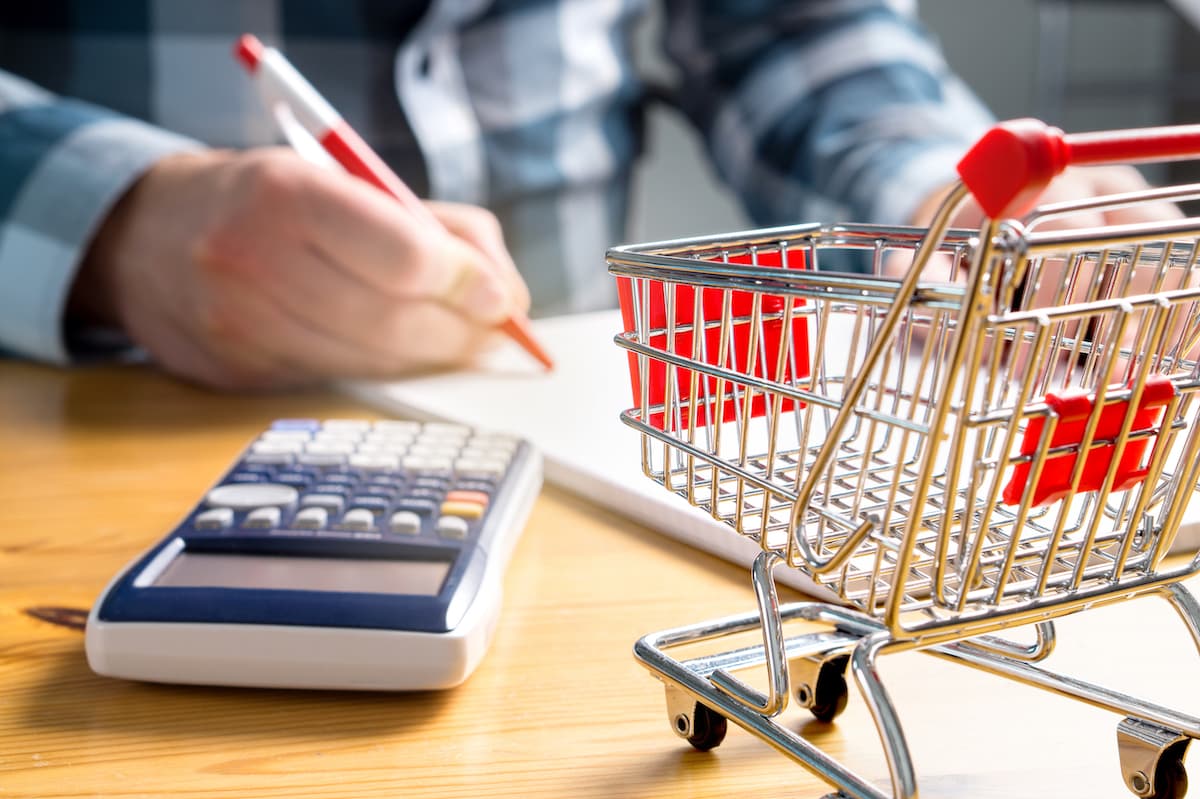
(Photo source: Tero Vesalainen/Dreamstime.com)

Normal

Private consumption shrinks by 3%-4% in Romania after August fiscal corrective package

12 January 2026

The retail sales volume index in Romania contracted by 4.7% y/y in November 2025 – the fourth consecutive month with a negative annual dynamics – after the VAT rate hike in August and the gloomy economic outlook eroded households’ real incomes and depressed their propensity for consumption. In seasonally-adjusted terms, the retail sales index remained constant compared to October, according to data published by the statistics office INS.

Consumer prices increased by 5.9% in July, when electricity prices were deregulated, and in August, when the VAT rate was hiked from 19% to 21% – reaching a level that was, in July-November 2025, 5.9% above the level seen in the first part of the year. The rise was steeper for the non-food goods (+7.6%) compared to the more moderate advance (+3.7%) of the food prices due to the control maintained by the government on the price of the basic goods. 

Even if the inflation is expected to subside during this year (with upside risks posed by the natural price liberalisation in the spring), the constant wages in the budgetary sector, the rising inflation, and the cautious income policies in the private sector are likely to keep the consumer confidence and the retail sales low through 2026.

Overall, the retail sales in volume terms have stabilised in August-November at a comparatively lower floor, that is, 3.6% lower compared to the average sales in the first seven months of the year (in seasonally adjusted terms) and by 3.9% compared to the sales in the same period of 2024. The decline was steeper for the sales of food (-5.9% y/y), while the sales of non-food goods and car fuels contracted more moderately by less than 3% y/y. 

The social impact of the budgetary measures was felt more severely by the low-income households, where the budget comprises predominantly food goods and, to a lesser extent, discretionary, non-food expenditures.

However, the 3%-4% contraction seen in the four months after the inflation and consumer confidence shock came amid outstanding consumer expenditures during the previous twelve months – when the private consumption reached a new record. 

The average retail sales returned to the levels seen in early 2024 – when something rather peculiar happened. Specifically, the seasonally-adjusted non-food retail sales saw an outstanding 8.6% m/m leap (with a significant impact on the overall volume of sales that jumped by 4.6% m/m) that seems to indicate a discontinuity of the methodology used by the statistics office INS.

The retail sales, particularly the non-food sales, kept rising through the second part of 2024, pushing the overall retail sales index to a plateau before the 3%-4% plunge occurred in July-August 2025.

iulian@romania-insider.com

(Photo source: Tero Vesalainen/Dreamstime.com)

Normal

Romania Insider Free Newsletters