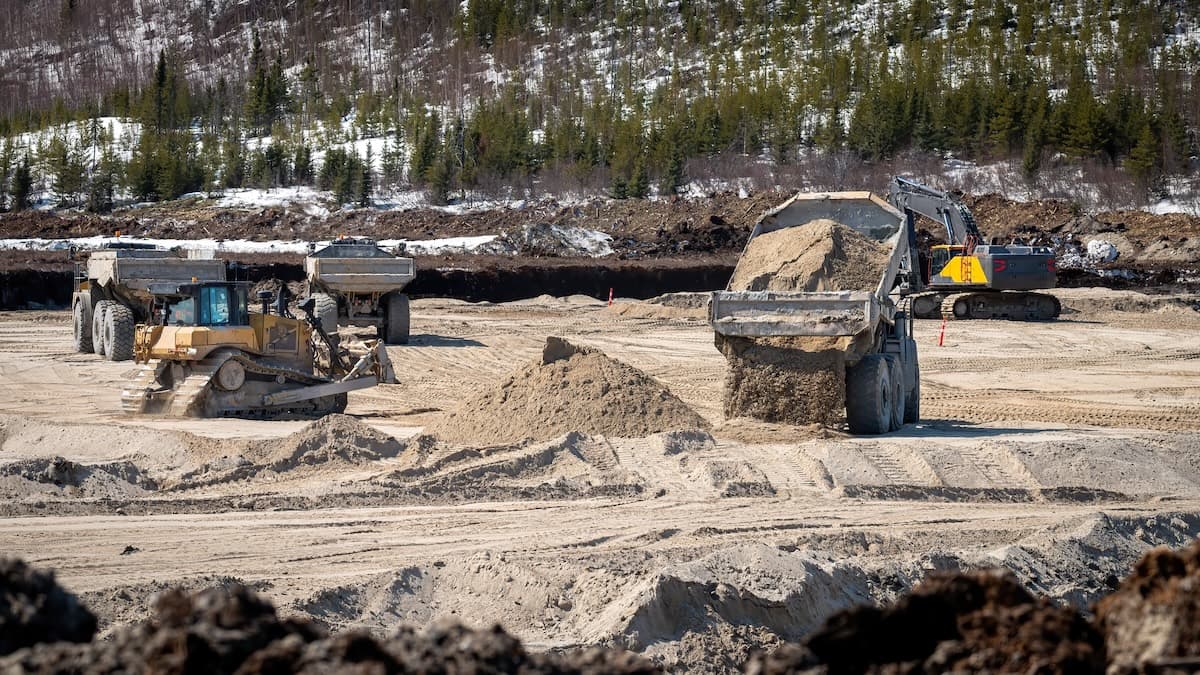
Romania’s insolvent Remin considers assessing mineral resources in tailings ponds

04 February 2026

Romania’s state-owned mining company Remin Baia Mare, which has been under insolvency for 16 years and owes more than EUR 100 million mainly to the state, is considering the evaluation of potential mineral resources contained in several tailings ponds it manages, according to Profit.ro.

The company is planning exploration works with an estimated cost of about EUR 0.9 million, aimed at determining whether economically recoverable quantities of gold, silver, copper, zinc, and other non-ferrous metals are present in historical waste deposits.

According to a document consulted by Profit.ro, Remin obtained approval from its largest creditor, the State Assets Administration Authority, which is coordinated by the Ministry of Economy, to initiate procurement procedures for works and services. These would include drilling, as well as mineralogical and chemical analyses, targeting the Bozânta, Săsar, Leorda, and Bloaja Avarie tailings ponds.

At present, there is no definitive determination of the reserves of useful substances contained in these tailings, only preliminary estimates. Before drilling can begin, Remin must obtain exploration permits from the National Agency for Mineral Resources and Petroleum Storage, as well as a favourable opinion from the National Commission for the Safety of Dams and Hydrotechnical Works.

“After obtaining these approvals, Remin can move on to the actual technical stage: drilling for sampling and chemical and mineralogical analyses in an accredited laboratory, to determine the contents of recoverable elements,” the document states. 

The elements to be assessed include gold, silver, copper, lead, and zinc, as well as minor metals such as germanium, gallium, cadmium, selenium, antimony, molybdenum, titanium, and tungsten.

The document highlighted the large scale of the deposits, noting that the total estimated quantity of material stored in the four tailings ponds is about 44.7 million tonnes. It also pointed to increased international interest in metals and critical raw materials, which could positively affect the value of Remin’s assets and, implicitly, the prospects of its creditors.

For many years, Remin Baia Mare’s activity has been limited mainly to conservation and closure works at 16 historical non-ferrous mining perimeters where the government has approved the cessation of operations. These include Aurum, Baia Sprie, Baia Sprie Vest, Herja, Țuior, Ilba, Nistru, Băiuț, Cavnic, Borșa Iaz Novăț, Penigher, Turț Răzoare, and Rodna.

iulian@romania-insider.com

(Photo source: Lorierda/Dreamstime.com)

Normal

Romania’s insolvent Remin considers assessing mineral resources in tailings ponds

04 February 2026

Romania’s state-owned mining company Remin Baia Mare, which has been under insolvency for 16 years and owes more than EUR 100 million mainly to the state, is considering the evaluation of potential mineral resources contained in several tailings ponds it manages, according to Profit.ro.

The company is planning exploration works with an estimated cost of about EUR 0.9 million, aimed at determining whether economically recoverable quantities of gold, silver, copper, zinc, and other non-ferrous metals are present in historical waste deposits.

According to a document consulted by Profit.ro, Remin obtained approval from its largest creditor, the State Assets Administration Authority, which is coordinated by the Ministry of Economy, to initiate procurement procedures for works and services. These would include drilling, as well as mineralogical and chemical analyses, targeting the Bozânta, Săsar, Leorda, and Bloaja Avarie tailings ponds.

At present, there is no definitive determination of the reserves of useful substances contained in these tailings, only preliminary estimates. Before drilling can begin, Remin must obtain exploration permits from the National Agency for Mineral Resources and Petroleum Storage, as well as a favourable opinion from the National Commission for the Safety of Dams and Hydrotechnical Works.

“After obtaining these approvals, Remin can move on to the actual technical stage: drilling for sampling and chemical and mineralogical analyses in an accredited laboratory, to determine the contents of recoverable elements,” the document states. 

The elements to be assessed include gold, silver, copper, lead, and zinc, as well as minor metals such as germanium, gallium, cadmium, selenium, antimony, molybdenum, titanium, and tungsten.

The document highlighted the large scale of the deposits, noting that the total estimated quantity of material stored in the four tailings ponds is about 44.7 million tonnes. It also pointed to increased international interest in metals and critical raw materials, which could positively affect the value of Remin’s assets and, implicitly, the prospects of its creditors.

For many years, Remin Baia Mare’s activity has been limited mainly to conservation and closure works at 16 historical non-ferrous mining perimeters where the government has approved the cessation of operations. These include Aurum, Baia Sprie, Baia Sprie Vest, Herja, Țuior, Ilba, Nistru, Băiuț, Cavnic, Borșa Iaz Novăț, Penigher, Turț Răzoare, and Rodna.

iulian@romania-insider.com

(Photo source: Lorierda/Dreamstime.com)

Normal

Romania Insider Free Newsletters