Three quarters of Romanians say country is heading in wrong direction, poll shows

22 December 2025

Three quarters of Romanians believe the country is heading in the wrong direction, according to a public opinion poll conducted by CURS in December, highlighting widespread pessimism, low trust in political leaders, and growing economic anxiety.

The survey, quoted by Agerpres, found that 75% of respondents say Romania is moving in the wrong direction, while only 21% believe the direction is a good one. CURS noted the findings point to a tense social climate marked by distrust, pessimism, and economic pressure, with negative perceptions of the country’s trajectory, institutions, and living standards reinforcing one another.

Trust in political leaders included in the survey is generally low, with none receiving a clear majority of positive evaluations. Former presidential candidate Călin Georgescu is viewed with much or very much trust by 40% of respondents, while 54% say they have little or very little trust in him. AUR leader George Simion records 37% positive trust ratings against 58% negative ones, while president Nicușor Dan receives 35% positive evaluations and 60% negative.

Prime minister and Liberal leader Ilie Bolojan and Social Democrat leader Sorin Grindeanu, partners in the governing coalition, face particularly high levels of distrust, at 71% and 70% respectively, with only around a quarter of respondents expressing much or very much trust in them. SOS president Diana Șoșoacă registers the highest level of rejection, with 80% negative evaluations and just 16% positive. 

The poll also indicates relatively high levels of unfamiliarity with several figures, including Bucharest’s new mayor Ciprian Ciucu, Timișoara mayor Dominic Fritz, and POT leader Anamaria Gavrilă, with up to 22% of respondents saying they do not know them, suggesting limited national visibility.

Meanwhile, institutions associated with security and stability enjoy the most positive perceptions. The Army is viewed favorably by 81% of respondents, the Church by 76%, and the firefighters by 65%. The European Union also has a majority positive image, with 55% of respondents expressing good or very good opinions.

By contrast, political and judicial institutions are rated predominantly negatively. Only 24% of respondents view the justice system positively, while Parliament receives 25% positive evaluations. The government and the Constitutional Court each record 26% positive ratings.

In a hypothetical parliamentary election held next Sunday, the Alliance for the Unity of Romanians (AUR) would come first with 35% of the vote, well ahead of its rivals. The Social Democratic Party (PSD) is credited with 22%, followed by the National Liberal Party (PNL) with 19%. The Save Romania Union (USR) would obtain 9%, while UDMR and SOS Romania are each projected at 5%, according to the poll.

At the same time, public opinion is divided over the economic measures adopted by the government led by Ilie Bolojan. 41% of respondents say some measures were necessary while others were not, indicating partial, nuanced support. At the same time, 26% consider the decisions justified and necessary, while an equal share view them as unjustified and unnecessary.

The majority of respondents say they are directly affected by the government’s economic policies. 56% report a very large impact on themselves and their families, while a further 26% describe the impact as large, meaning more than 8 in 10 perceive significant effects. CURS says this helps explain the high levels of dissatisfaction and economic anxiety reflected elsewhere in the survey.

At the same time, the poll revealed that, over the past 12 months, perceptions of personal financial situations have deteriorated markedly. 35% say their situation has worsened to some extent, while 23% report a significant decline, indicating that 58% have experienced financial setbacks. Another 30% say their situation has remained the same but that they are dissatisfied, suggesting stagnation is felt as pressure rather than stability.

Expectations regarding price developments are also overwhelmingly negative. Fifty-one percent of respondents anticipate sharp price increases over the next year, while 33% expect moderate rises. Only 9% believe prices will remain unchanged, and 2% foresee decreases, pointing to low confidence in short-term economic stability.

The survey was conducted on a representative sample of 1,067 adults aged 18 and over, using face-to-face interviews at respondents’ homes between December 10 and 19, 2025.

irina.marica@romania-insider.com

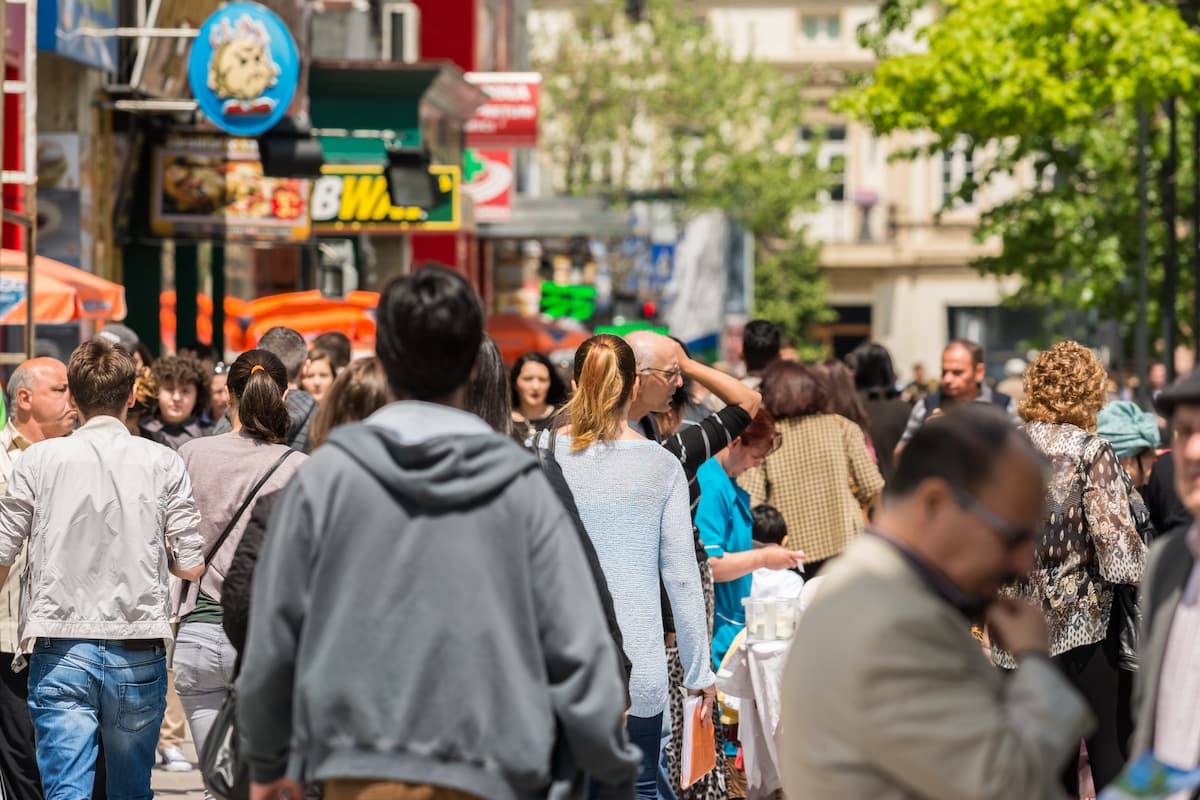
(Photo source: Radub85/Dreamstime.com)

Normal

Three quarters of Romanians say country is heading in wrong direction, poll shows

22 December 2025

Three quarters of Romanians believe the country is heading in the wrong direction, according to a public opinion poll conducted by CURS in December, highlighting widespread pessimism, low trust in political leaders, and growing economic anxiety.

The survey, quoted by Agerpres, found that 75% of respondents say Romania is moving in the wrong direction, while only 21% believe the direction is a good one. CURS noted the findings point to a tense social climate marked by distrust, pessimism, and economic pressure, with negative perceptions of the country’s trajectory, institutions, and living standards reinforcing one another.

Trust in political leaders included in the survey is generally low, with none receiving a clear majority of positive evaluations. Former presidential candidate Călin Georgescu is viewed with much or very much trust by 40% of respondents, while 54% say they have little or very little trust in him. AUR leader George Simion records 37% positive trust ratings against 58% negative ones, while president Nicușor Dan receives 35% positive evaluations and 60% negative.

Prime minister and Liberal leader Ilie Bolojan and Social Democrat leader Sorin Grindeanu, partners in the governing coalition, face particularly high levels of distrust, at 71% and 70% respectively, with only around a quarter of respondents expressing much or very much trust in them. SOS president Diana Șoșoacă registers the highest level of rejection, with 80% negative evaluations and just 16% positive. 

The poll also indicates relatively high levels of unfamiliarity with several figures, including Bucharest’s new mayor Ciprian Ciucu, Timișoara mayor Dominic Fritz, and POT leader Anamaria Gavrilă, with up to 22% of respondents saying they do not know them, suggesting limited national visibility.

Meanwhile, institutions associated with security and stability enjoy the most positive perceptions. The Army is viewed favorably by 81% of respondents, the Church by 76%, and the firefighters by 65%. The European Union also has a majority positive image, with 55% of respondents expressing good or very good opinions.

By contrast, political and judicial institutions are rated predominantly negatively. Only 24% of respondents view the justice system positively, while Parliament receives 25% positive evaluations. The government and the Constitutional Court each record 26% positive ratings.

In a hypothetical parliamentary election held next Sunday, the Alliance for the Unity of Romanians (AUR) would come first with 35% of the vote, well ahead of its rivals. The Social Democratic Party (PSD) is credited with 22%, followed by the National Liberal Party (PNL) with 19%. The Save Romania Union (USR) would obtain 9%, while UDMR and SOS Romania are each projected at 5%, according to the poll.

At the same time, public opinion is divided over the economic measures adopted by the government led by Ilie Bolojan. 41% of respondents say some measures were necessary while others were not, indicating partial, nuanced support. At the same time, 26% consider the decisions justified and necessary, while an equal share view them as unjustified and unnecessary.

The majority of respondents say they are directly affected by the government’s economic policies. 56% report a very large impact on themselves and their families, while a further 26% describe the impact as large, meaning more than 8 in 10 perceive significant effects. CURS says this helps explain the high levels of dissatisfaction and economic anxiety reflected elsewhere in the survey.

At the same time, the poll revealed that, over the past 12 months, perceptions of personal financial situations have deteriorated markedly. 35% say their situation has worsened to some extent, while 23% report a significant decline, indicating that 58% have experienced financial setbacks. Another 30% say their situation has remained the same but that they are dissatisfied, suggesting stagnation is felt as pressure rather than stability.

Expectations regarding price developments are also overwhelmingly negative. Fifty-one percent of respondents anticipate sharp price increases over the next year, while 33% expect moderate rises. Only 9% believe prices will remain unchanged, and 2% foresee decreases, pointing to low confidence in short-term economic stability.

The survey was conducted on a representative sample of 1,067 adults aged 18 and over, using face-to-face interviews at respondents’ homes between December 10 and 19, 2025.

irina.marica@romania-insider.com

(Photo source: Radub85/Dreamstime.com)

Normal

Romania Insider Free Newsletters