‘Neighbors with a war’: New York Times article tackles drone incursions in Romania’s Dobrogea
A new article published by journalists at the prestigious US daily newspaper The New York Times on Wednesday, May 6, centers on Romanians living in the Dobrogea region, on the Black Sea coast, and enduring repeated drone alerts due to…
Radu Dumitrescu · Journalist
· Updated · 2 min read
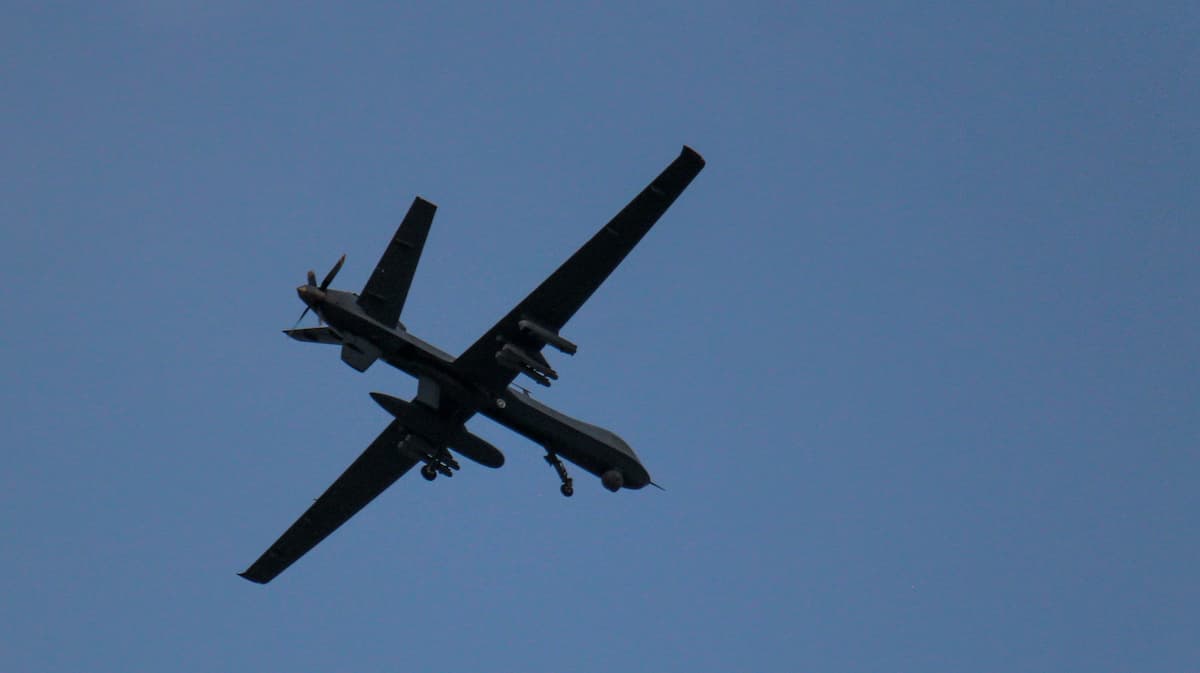
A new article published by journalists at the prestigious US daily newspaper The New York Times on Wednesday, May 6, centers on Romanians living in the Dobrogea region, on the Black Sea coast, and enduring repeated drone alerts due to Russian aerial incursions.
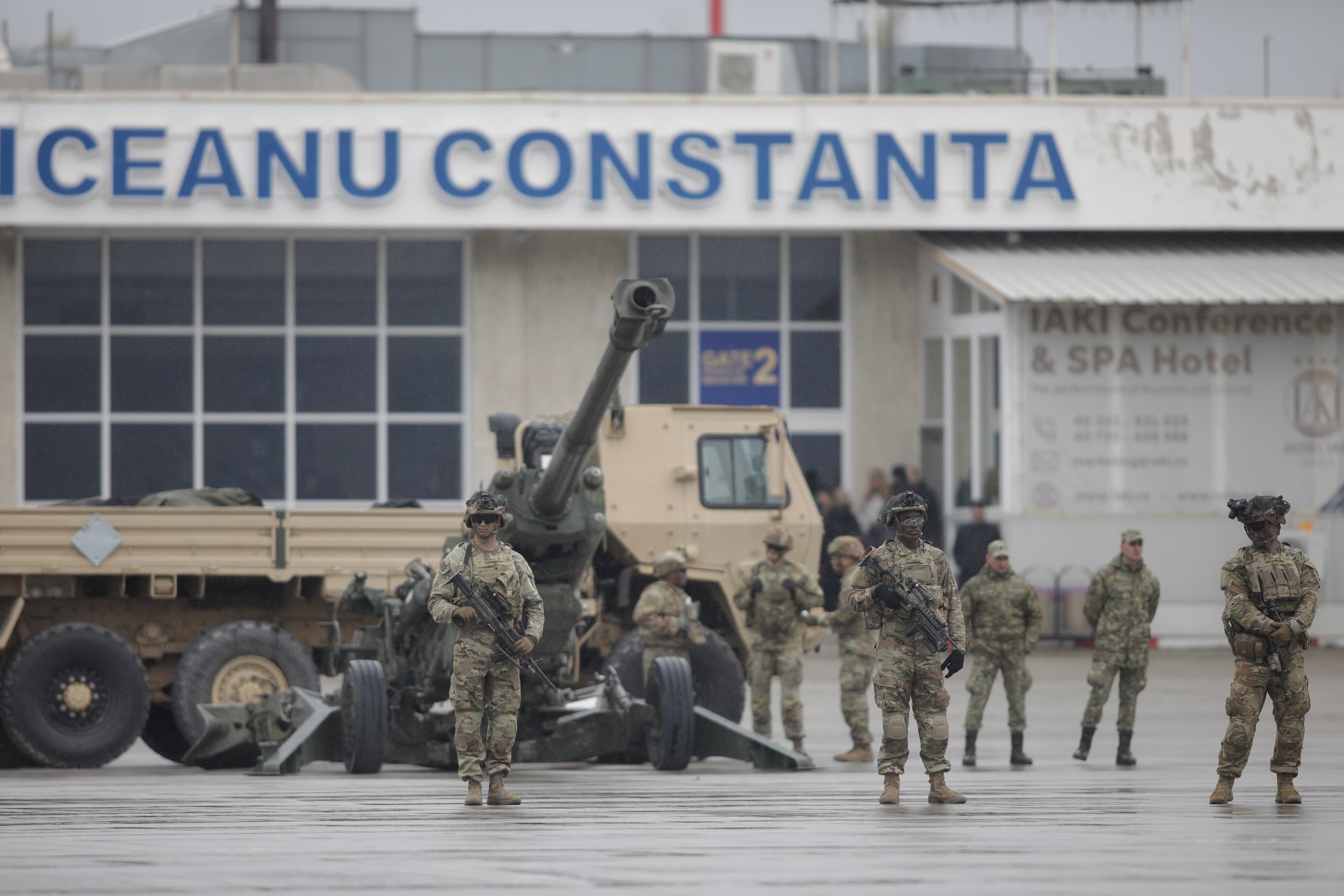
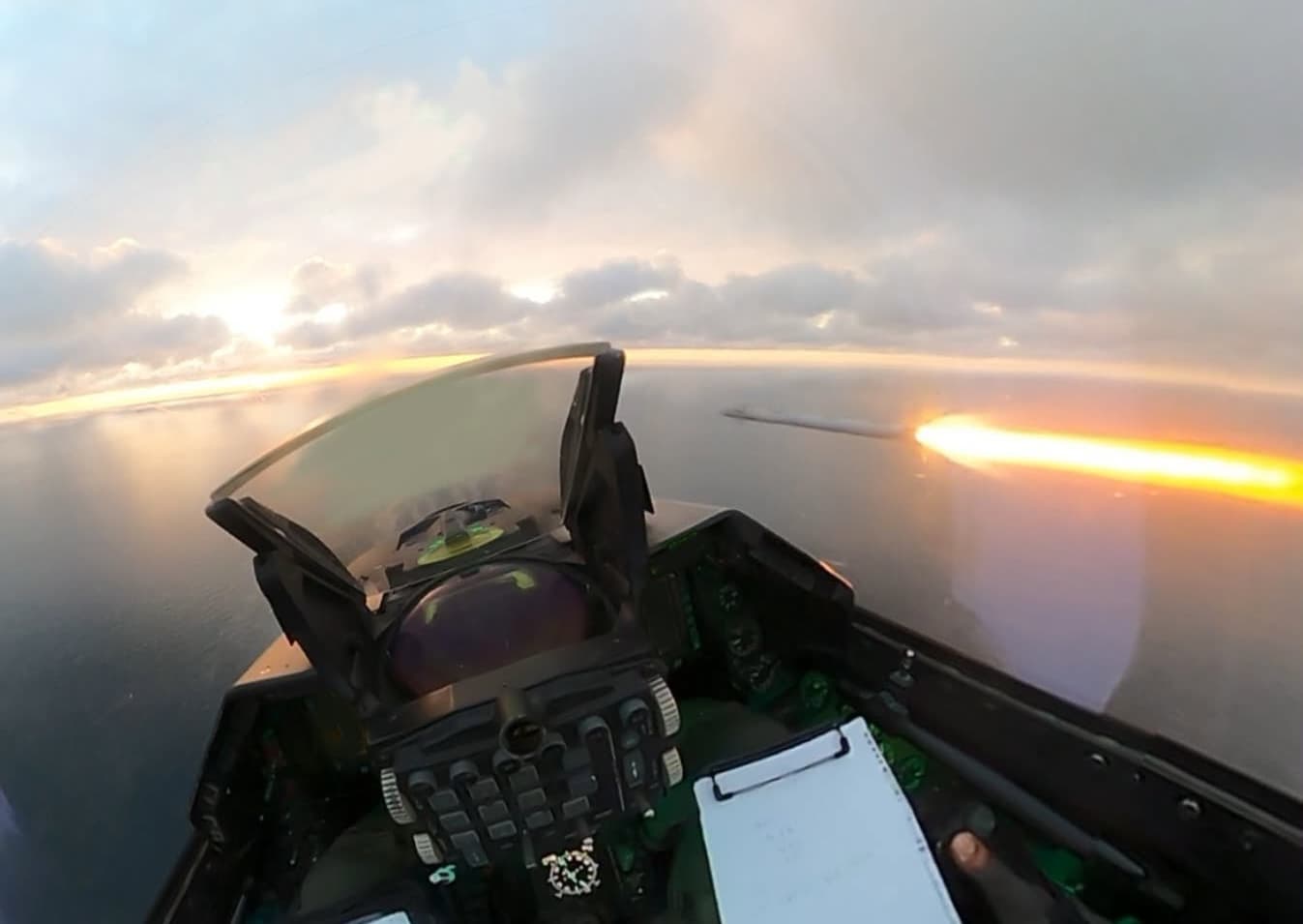
“Frequent alerts about possible Russian drone attacks had proved more annoying than alarming for residents,” authors Lara Jakes and Andrada Lautaru said in the article, citing locals’ confidence in NATO defenses. However, NATO air defense systems failed to thwart target drones in three of nine tests conducted by the military during a recent exercise at Romania’s Capu Midia range near Constanta.
According to the US journalists, “drones have changed the nature of warfare” since Russia invaded Ukraine in 2022. Romania is no stranger to Russian drones and has witnessed numerous crashes in its territory or illegally crossing its airspace during strikes on Ukraine. Most recently, metal fragments from a Russian drone downed over Ukraine crashed into a residential compound in Romania.
“In response to the persistent incursions, NATO and the European Union are drafting plans for a coordinated ‘drone wall’ along the continent’s eastern flank. But the relentless evolution of drone technology has left the alliance scrambling to modernize its air defenses and operating on constant alert,” the article noted.
Tulcea County, in south-eastern Romania, has seen repeated Russian drone incursions. “We are neighbors with the war,” said Stefan Ilie, the mayor of the county’s seat, also named Tulcea. People have grown used to the danger, and alerts in the city with 70,000 people are met with irritation, the NYT article pointed out. Still, tourism in Tulcea decreased by 40% between 2023 and 2025, according to the mayor.
In September, a NATO mission was created to defend alliance territory from Finland to Turkey after about 20 Russian drones flew into Polish airspace that month. Though the drones were shot down, the incursion was seen as a test of NATO’s defenses and political resolve to push back against Russia.
Since this NATO mission began, Russian aircraft have been intercepted at least 300 times. None of the intercepts involved American warplanes, but European ones. Last fall, the US Army began training Romanian and Polish soldiers to use the Merops defense system, which has intercepted about 90% of Russian drones in Ukraine.
Free newsletters
Romania, in your inbox before your first coffee.
Get the Daily — the morning briefing, free, in English, unsubscribe anytime. Want business, real estate or travel digests too? Pick your newsletters →