


The Guardian: Romania decoupled its economic growth from emissions faster than any other EU country

11 February 2026

An article published by the well-known British publication The Guardian on Wednesday, February 11, praises Romania for managing to decouple its energy sector and the industrial sector from the pollution that characterized them under communism while registering massive economic growth.

Over the past 30 years, Romania has recorded a reduction in greenhouse gas emissions and economic growth faster than the EU average, but it was helped by a combination of factors, such as the collapse of industry after 1989 and the development of nuclear and renewable energy, according to the author of the piece, Ajit Niranjan.
During Nicolae Ceaușescu’s regime, Romania’s newly-built factories consumed more energy than power plants could supply. As a result, the country turned to low-quality lignite and oil to keep factories running. Many of those factories closed or reduced their activity after the regime fell. 

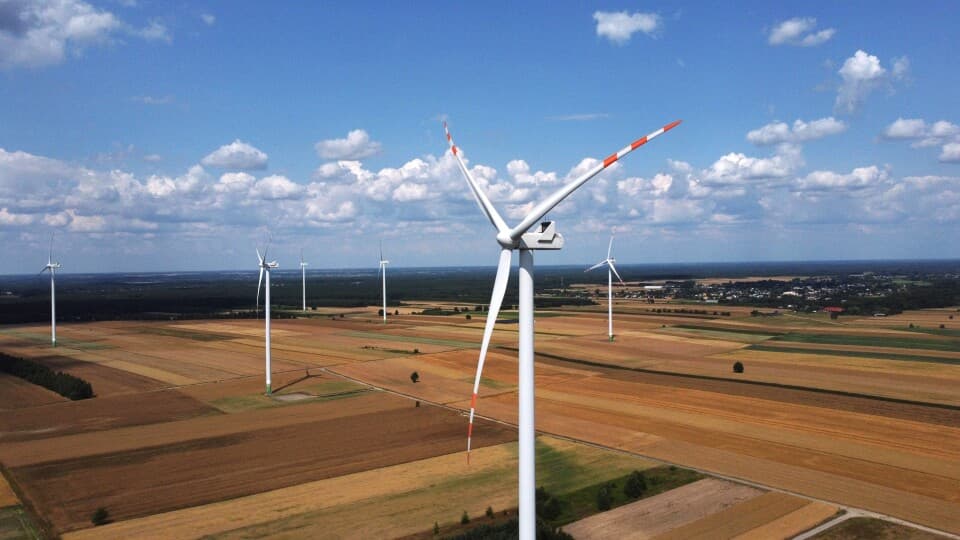
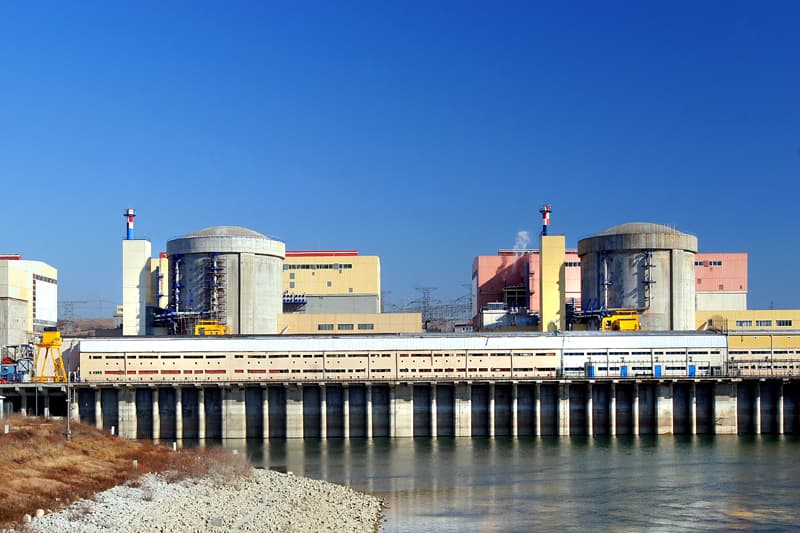
“Romania’s entry into the European Union in 2007 held polluters to higher standards and forced the closure of unprofitable factories propped up by state support. Its emissions trading system put a price on carbon, and its modernisation fund brought back cash to clean up the energy system. Meanwhile, workers completed a nuclear power plant in Cernavodă, a town in the south-east of the country, which had been commissioned under Ceaușescu, and the government introduced a green certificate scheme to bankroll renewables,” the article points out.

At the same time, several wind and photovoltaic parks were developed in Romania. The Guardian gives the example of a photovoltaic park being developed near Bucharest, the largest in Europe. Another park with an installed capacity of 1 GW was approved in north-western Romania.

As a result, Romania’s greenhouse gas emissions dropped by 88% in 1990 to 2023. At the same time, the country doubled its GDP in real terms. For each unit of economic value produced today, Romania generates almost ten times fewer emissions than in 1990.

The first drop in emissions in Romania was “a historical event, not active decarbonization based on policies. But it continued, fortunately, because Romania joined the EU,” Ioana-Maria Petrescu, former minister of finance, told The Guardian.

The changes did not concern only energy. Romania’s economy gradually transformed from one based on heavy industry into one more dominated by services, which consume less energy per unit of value produced. In agriculture, livestock numbers declined, and some abandoned land was reforested. Official data cited show that forest areas absorbed 77% more carbon than in the past.

The article also shows that this transformation of Romania came with high social costs. In many mining and industrial areas, the loss of jobs led to depopulation and massive external migration. Entire communities were affected by the closure of factories and mines, and the benefits of economic growth were not evenly distributed. 

“If industrial countries could decouple as quickly as Romania – and do so without the social fallout it suffered – the fight to stop climate breakdown may not seem so hopeless. Promising signs have emerged. Dozens of countries have completely decoupled their economies from emissions, even accounting for the pollution in imported goods, and many more have managed to grow richer while emissions climb at a slower rate, which scientists call relative decoupling,” the article further argues.

An analysis carried out by the Energy and Climate Intelligence Unit (ECIU) last month found that countries representing 92% of the global economy have reached one of these important milestones.

However, the pace of change is still slow, the British publication notes. In 2023, a study conducted on 36 wealthy countries found that 11 had completely broken the link between GDP and CO₂ emissions, but none had done so fast enough to meet their share of the Paris Agreement target of keeping global heating to 1.5 °C.

radu@romania-insider.com

(Photo source: Neacsu Razvan Chirnoaga|Dreamstime.com)

Normal

The Guardian: Romania decoupled its economic growth from emissions faster than any other EU country

11 February 2026

An article published by the well-known British publication The Guardian on Wednesday, February 11, praises Romania for managing to decouple its energy sector and the industrial sector from the pollution that characterized them under communism while registering massive economic growth.

Over the past 30 years, Romania has recorded a reduction in greenhouse gas emissions and economic growth faster than the EU average, but it was helped by a combination of factors, such as the collapse of industry after 1989 and the development of nuclear and renewable energy, according to the author of the piece, Ajit Niranjan.
During Nicolae Ceaușescu’s regime, Romania’s newly-built factories consumed more energy than power plants could supply. As a result, the country turned to low-quality lignite and oil to keep factories running. Many of those factories closed or reduced their activity after the regime fell. 

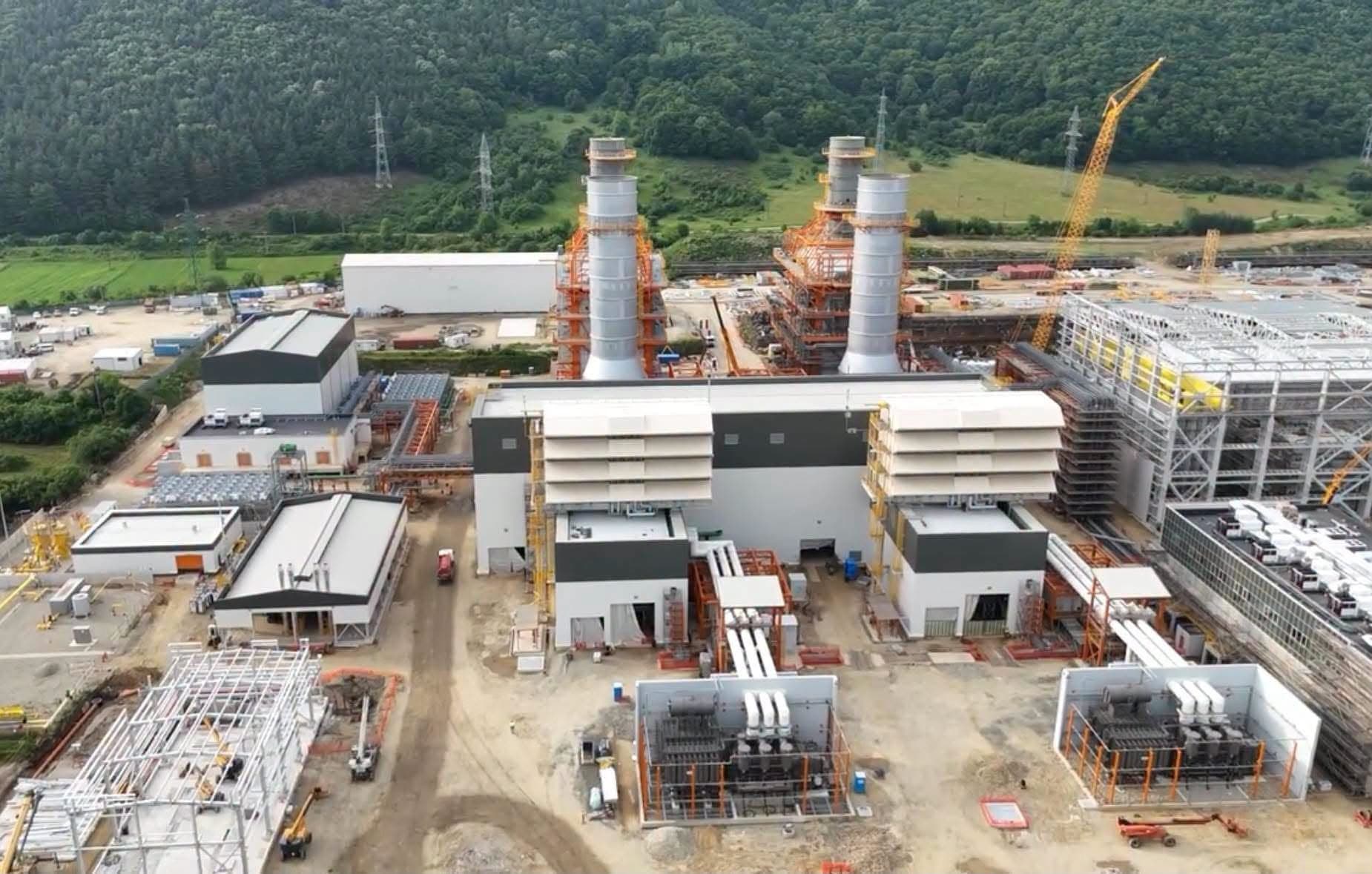
“Romania’s entry into the European Union in 2007 held polluters to higher standards and forced the closure of unprofitable factories propped up by state support. Its emissions trading system put a price on carbon, and its modernisation fund brought back cash to clean up the energy system. Meanwhile, workers completed a nuclear power plant in Cernavodă, a town in the south-east of the country, which had been commissioned under Ceaușescu, and the government introduced a green certificate scheme to bankroll renewables,” the article points out.

At the same time, several wind and photovoltaic parks were developed in Romania. The Guardian gives the example of a photovoltaic park being developed near Bucharest, the largest in Europe. Another park with an installed capacity of 1 GW was approved in north-western Romania.

As a result, Romania’s greenhouse gas emissions dropped by 88% in 1990 to 2023. At the same time, the country doubled its GDP in real terms. For each unit of economic value produced today, Romania generates almost ten times fewer emissions than in 1990.

The first drop in emissions in Romania was “a historical event, not active decarbonization based on policies. But it continued, fortunately, because Romania joined the EU,” Ioana-Maria Petrescu, former minister of finance, told The Guardian.

The changes did not concern only energy. Romania’s economy gradually transformed from one based on heavy industry into one more dominated by services, which consume less energy per unit of value produced. In agriculture, livestock numbers declined, and some abandoned land was reforested. Official data cited show that forest areas absorbed 77% more carbon than in the past.

The article also shows that this transformation of Romania came with high social costs. In many mining and industrial areas, the loss of jobs led to depopulation and massive external migration. Entire communities were affected by the closure of factories and mines, and the benefits of economic growth were not evenly distributed. 

“If industrial countries could decouple as quickly as Romania – and do so without the social fallout it suffered – the fight to stop climate breakdown may not seem so hopeless. Promising signs have emerged. Dozens of countries have completely decoupled their economies from emissions, even accounting for the pollution in imported goods, and many more have managed to grow richer while emissions climb at a slower rate, which scientists call relative decoupling,” the article further argues.

An analysis carried out by the Energy and Climate Intelligence Unit (ECIU) last month found that countries representing 92% of the global economy have reached one of these important milestones.

However, the pace of change is still slow, the British publication notes. In 2023, a study conducted on 36 wealthy countries found that 11 had completely broken the link between GDP and CO₂ emissions, but none had done so fast enough to meet their share of the Paris Agreement target of keeping global heating to 1.5 °C.

radu@romania-insider.com

(Photo source: Neacsu Razvan Chirnoaga|Dreamstime.com)

Normal

Romania Insider Free Newsletters