Deadlock in Romanian Parliament on approval of 2026 budget

19 March 2026

The final vote on the 2026 national budget, expected in the Parliament this week will probably not take place, after the Social Democratic Party (PSD) failed to get the opposition’s support against Liberal (PNL) prime minister Ilie Bolojan for a supplementary RON 1.1 billion (0.05% of GDP) “solidarity package” and blocked the functioning of the committees reviewing the plan. In turn, the main opposition party, the Alliance for the Union of Romanians (AUR), promoted its own social plan, which its leader, George Simion, claims can be financed within the limits of a general government budget deficit of 6%-of-GDP – a target even more ambitious than the government’s 6.25%-of-GDP plan.

In essence, while PSD asked for one-off payments to low-income pensioners and other categories, AUR insists on thorough indexation of pensions and reversing some austerity measures already enforced by the government, such as cutting the pupils’ and students’ scholarships. 
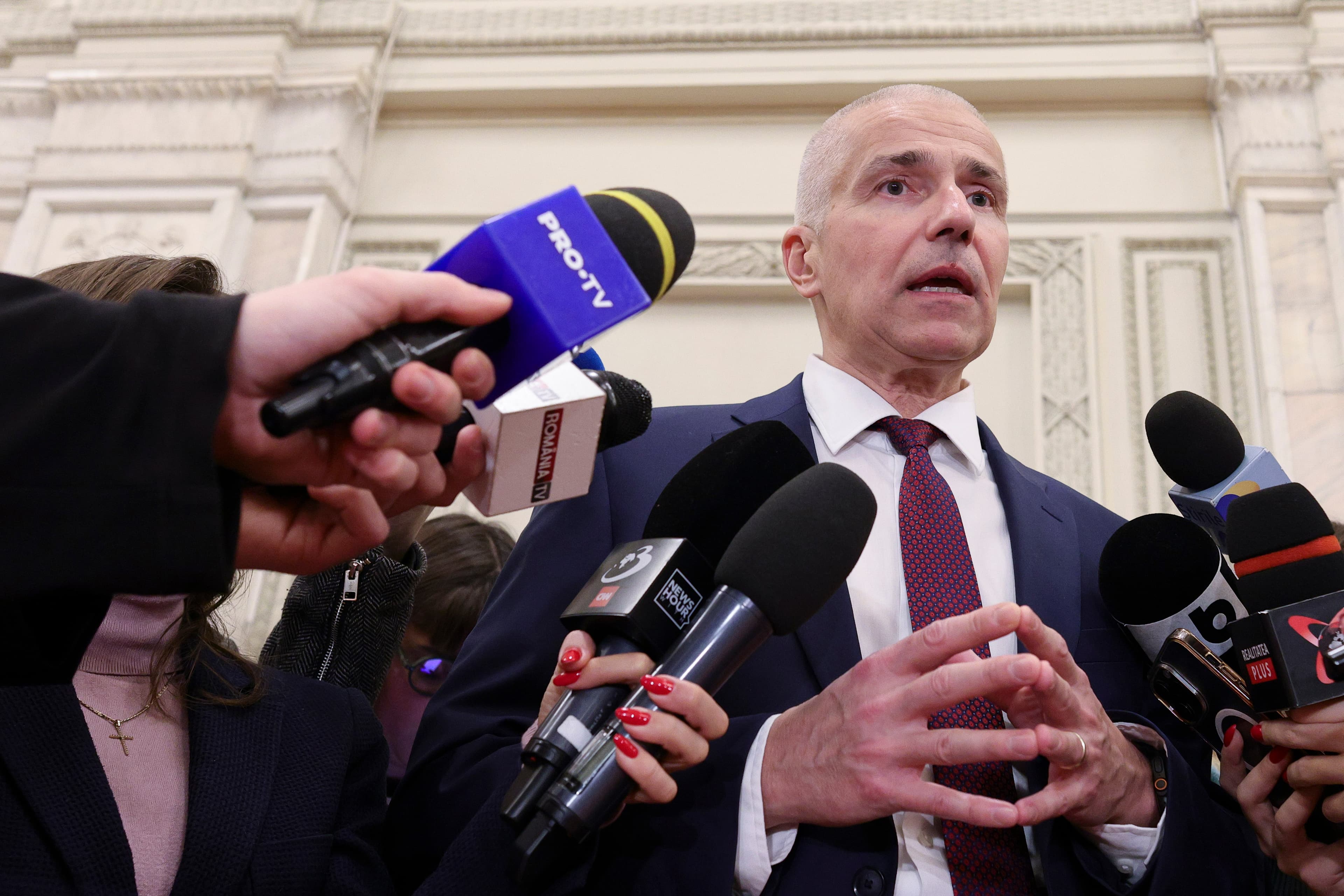
PSD leader Sorin Grindeanu refused negotiations with AUR after the opposition party withdrew its support for the RON 1.1 billion “solidarity package” in the expert committees. He accused the opposition party AUR of siding with its own ruling partners (PNL and USR) to form an ad-hoc majority.

"I want to be very clear! We are not giving in to blackmail!" Grindeanu said, wishing "good luck together" to what he claimed to be “the new USR-PNL-AUR-POT majority.”

Claiming fiscal responsibility, AUR leader George Simion came up with a long list of social measures that seem rather on the populist side.

"I want to convey to all pensioners in Romania that we will fight for them and for the adoption of our amendments, for compliance with Romanian laws and for what must happen from a legal point of view: indexing pensions with the inflation rate,” stated AUR leader George Simion cited by News.ro, also promising support for people with disabilities, pupils, and students.

Simion said that the amendments submitted by the party's parliamentarians - over 1,300 - must be debated.

"We assure people with disabilities, mothers, pensioners of all categories that they will obtain at least some support from the state, and this will be with the vote of AUR in plenary. But don't ask us to be complicit with the PSD in turning Romanians into beggars," Simion declared.

Simion promised that AUR will ensure "the voting of a budget that falls within the 6% deficit target."

The political deadlock defers the endorsement of the 2026 budget plan and makes the outcome of the negotiations unpredictable.

Speculating the disagreements between the two major ruling parties on the rather small solidarity package asked by PSD, AUR came up with its own budget plan – the 1,300 amendments filed to the government’s plan would completely reshape the document, which the party claims would combine greater social protection with fiscal consolidation. It would be unrealistic to assume the expert committee would review all 1,300 amendments proposed by AUR.

It may also be unrealistic to assume that AUR has identified credible financing for the supplementary social spending proposed by the party leader, George Simion. 

It is not for the first time that AUR argues for fiscal consolidation, and the main sources that the isolationist party is expected to tap are the corporate sector and high-income individuals – namely, boosting revenues. Ironically, such moves would come in line with the recommendations issued by international financial institutions such as the IMF and OECD to the Romanian authorities, including the much-contested progressive taxation refused by all ruling parties due to the lack of infrastructure.

In its recent report drafted along Romania’s accession process, the OECD issued a list of recommendations for addressing the country’s budgetary weaknesses: higher taxation and social contributions for high personal incomes, higher property taxation, eliminating the preferential VAT rates, eliminating the price caps and higher taxation of gambling and alcohol, better corporate tax collection – but also socially sensitive measures such as shortening the maternity leave (from two years currently), according to Hotnews.ro. While such plans are relevant in the medium and long term, it is unrealistic to assume they can be implemented by AUR’s 1,300 amendments.

iulian@romania-insider.com

(Photo source: Inquam Photos / George Călin)

Normal

Deadlock in Romanian Parliament on approval of 2026 budget

19 March 2026

The final vote on the 2026 national budget, expected in the Parliament this week will probably not take place, after the Social Democratic Party (PSD) failed to get the opposition’s support against Liberal (PNL) prime minister Ilie Bolojan for a supplementary RON 1.1 billion (0.05% of GDP) “solidarity package” and blocked the functioning of the committees reviewing the plan. In turn, the main opposition party, the Alliance for the Union of Romanians (AUR), promoted its own social plan, which its leader, George Simion, claims can be financed within the limits of a general government budget deficit of 6%-of-GDP – a target even more ambitious than the government’s 6.25%-of-GDP plan.

In essence, while PSD asked for one-off payments to low-income pensioners and other categories, AUR insists on thorough indexation of pensions and reversing some austerity measures already enforced by the government, such as cutting the pupils’ and students’ scholarships. 
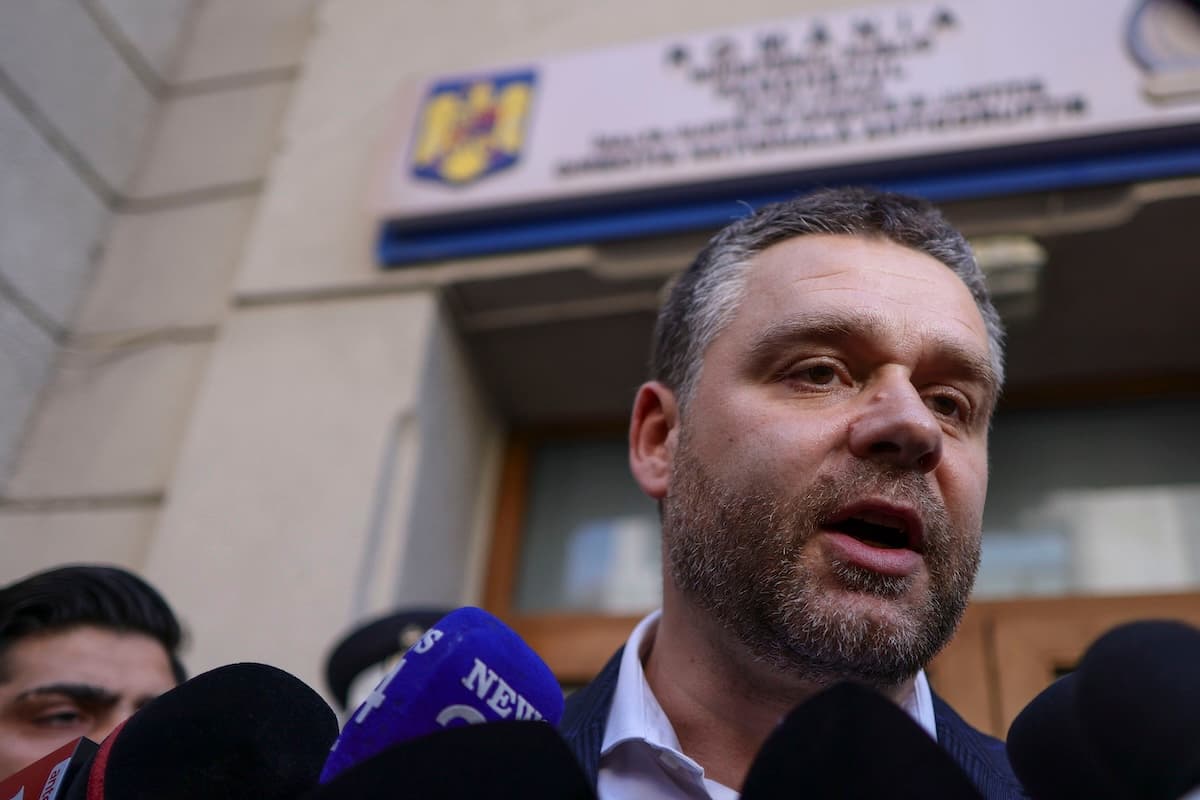
PSD leader Sorin Grindeanu refused negotiations with AUR after the opposition party withdrew its support for the RON 1.1 billion “solidarity package” in the expert committees. He accused the opposition party AUR of siding with its own ruling partners (PNL and USR) to form an ad-hoc majority.

"I want to be very clear! We are not giving in to blackmail!" Grindeanu said, wishing "good luck together" to what he claimed to be “the new USR-PNL-AUR-POT majority.”

Claiming fiscal responsibility, AUR leader George Simion came up with a long list of social measures that seem rather on the populist side.

"I want to convey to all pensioners in Romania that we will fight for them and for the adoption of our amendments, for compliance with Romanian laws and for what must happen from a legal point of view: indexing pensions with the inflation rate,” stated AUR leader George Simion cited by News.ro, also promising support for people with disabilities, pupils, and students.

Simion said that the amendments submitted by the party's parliamentarians - over 1,300 - must be debated.

"We assure people with disabilities, mothers, pensioners of all categories that they will obtain at least some support from the state, and this will be with the vote of AUR in plenary. But don't ask us to be complicit with the PSD in turning Romanians into beggars," Simion declared.

Simion promised that AUR will ensure "the voting of a budget that falls within the 6% deficit target."

The political deadlock defers the endorsement of the 2026 budget plan and makes the outcome of the negotiations unpredictable.

Speculating the disagreements between the two major ruling parties on the rather small solidarity package asked by PSD, AUR came up with its own budget plan – the 1,300 amendments filed to the government’s plan would completely reshape the document, which the party claims would combine greater social protection with fiscal consolidation. It would be unrealistic to assume the expert committee would review all 1,300 amendments proposed by AUR.

It may also be unrealistic to assume that AUR has identified credible financing for the supplementary social spending proposed by the party leader, George Simion. 

It is not for the first time that AUR argues for fiscal consolidation, and the main sources that the isolationist party is expected to tap are the corporate sector and high-income individuals – namely, boosting revenues. Ironically, such moves would come in line with the recommendations issued by international financial institutions such as the IMF and OECD to the Romanian authorities, including the much-contested progressive taxation refused by all ruling parties due to the lack of infrastructure.

In its recent report drafted along Romania’s accession process, the OECD issued a list of recommendations for addressing the country’s budgetary weaknesses: higher taxation and social contributions for high personal incomes, higher property taxation, eliminating the preferential VAT rates, eliminating the price caps and higher taxation of gambling and alcohol, better corporate tax collection – but also socially sensitive measures such as shortening the maternity leave (from two years currently), according to Hotnews.ro. While such plans are relevant in the medium and long term, it is unrealistic to assume they can be implemented by AUR’s 1,300 amendments.

iulian@romania-insider.com

(Photo source: Inquam Photos / George Călin)

Normal

Romania Insider Free Newsletters