Update - US House of Representatives: EU interfered in Romanian elections, not Russia
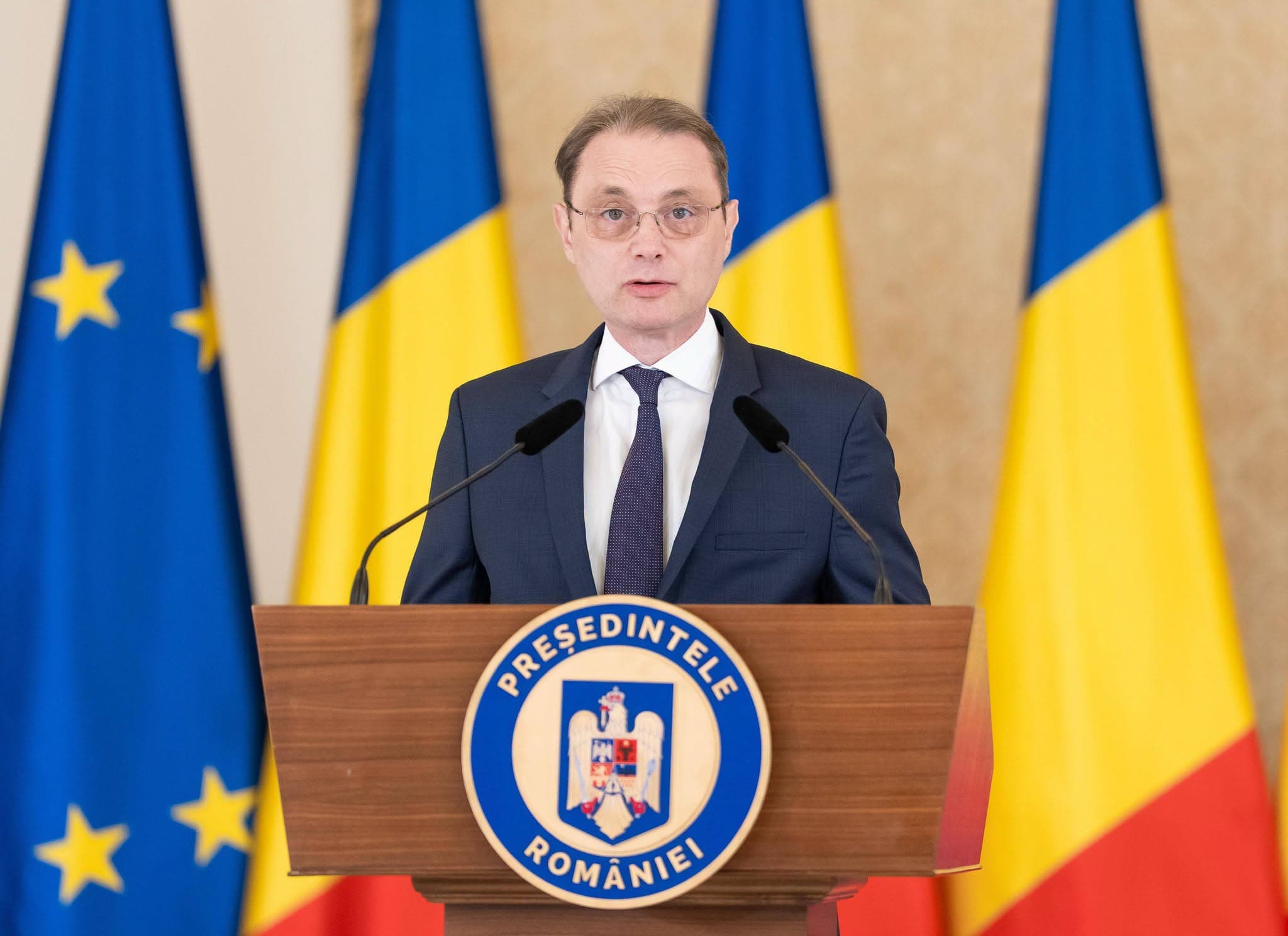
Update: Romanian president Nicușor Dan reacted to the report prepared by members of the Legal Committee of the US House of Representatives, arguing that Russian interference in the electoral processes of European countries, including Romania, is well-documented by NATO, the EU, and the United Kingdom.
“The malicious meddling of the Russian Federation was not limited to a single social media platform, but is part of a broad manipulation campaign aimed at destabilizing European democracies, an effort that has been ongoing for many years in the form of a genuine hybrid war,” Dan said.
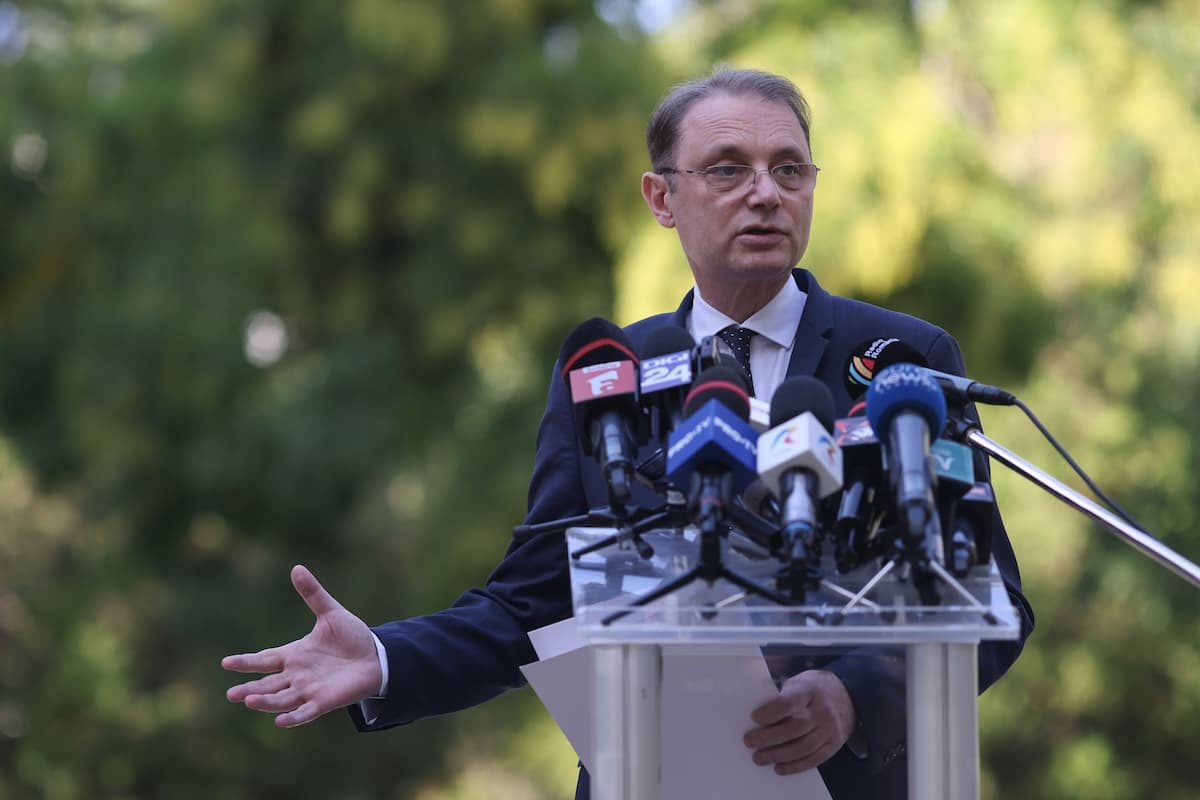
The official noted that the decision to annul the elections in 2024 was a legal act “to protect the constitutional order in the face of an asymmetric threat, based on the assessments of national security institutions and on the authority of the Constitutional Court of Romania.” He also mentioned that the annulled elections were distorted by “the massive corruption of the electoral campaign by a single candidate,” referencing far-right candidate Calin Georgescu.
“Romania is a strong democracy, in which the decisions of the responsible institutions taken in accordance with the Constitution and the laws in force are and must be respected. Romania’s commitment to the rule of law, transparency, freedom of expression, and the fairness of electoral processes remains unwavering, as does its commitment to all our allies and strategic partners,” the president said.
Initial story: In a report on online censorship, the Legal Committee of the US House of Representatives rejected the existence of evidence of Russian interference in Romania’s cancelled 2024 presidential elections. Instead, the report accuses the European Union of interfering in elections in several European states.
According to the Republican-authored report, the EU meddled in Romania’s elections under the pretext of combating disinformation and manipulation, for example by removing content related to Romania’s alleged entry into the Russia-Ukraine war. The entry, of course, did not take place and was primarily used to convince voters to back far-right, pro-Russian candidate Calin Georgescu.
Nevertheless, the report, titled “The threat of foreign censorship, part II: Europe’s campaign to censor the global internet and how it harms American speech in the United States,” condemns the European Commission and can be seen as a response to fines imposed by Europeans on Elon Musk’s X platform. The latter is a major ally of US president Donald Trump, and the House of Representatives is currently dominated by the Republican Party.
Specifically, the report claims that the European Commission “pressured social networks to censor content before the 2023 parliamentary elections in Slovakia, the Netherlands, France, Moldova, Romania, and Ireland, as well as the 2024 European elections.”
The authors criticize the fact that the EU requested all platforms to moderate content, arguing that “combating so-called hate speech or disinformation” and blocking content globally violates Americans’ online freedom of expression in the United States.
The chapter related to Romania is highlighted separately and contains numerous internal TikTok documents, especially email exchanges between the network and electoral authorities in Romania, but also with the Digital Directorate of the European Commission, according to Biziday.
According to the authors, the European Commission took “the most aggressive censorship measures” in Romania, believing that Russia had helped Călin Georgescu. Nevertheless, the report states, the interference was unproven and was only used to investigate TikTok’s content moderation practices.
The report further claims that TikTok’s internal intelligence teams consistently assessed that Russia did not conduct a coordinated influence operation to boost Georgescu’s campaign and repeatedly shared this assessment with the European Commission and Romanian authorities. In reality, the report sent by TikTok to the European Commission in March 2025 discusses the removal of a Sputnik network in September 2024, identifying extensive manipulation carried out before the November 2024 elections, without explicitly linking it to Russia.
Moreover, the US report claims the National Liberal Party funded Georgescu’s campaign. In fact, this was a campaign for liberal values (not for a specific candidate), indeed funded by PNL in September 2025, which was then hijacked by several influencers under a hashtag associated with Georgescu.
Finally, the report condemns “left-leaning and pro-censorship” fact-checkers like Funky Citizens and the Romanian electoral body, AEP, for removing pro-Georgescu content. The NGO disputed the claim, saying that it never removed content and its role was limited to research and documentation.
In reply, a spokesperson for the European Commission said that “the 160-page report by Trump’s allies is pure nonsense,” according to Le Monde. He pointed to online platforms' ability to "algorithmically influence elections" and Europe's efforts to ensure "free and fair elections."
(Photo source: Splosh | Dreamstime.com)