Tensions ease in Romania’s ruling coalition after Social Democrats’ demands are accepted

17 February 2026

Tensions within Romania’s governing coalition appeared to subside on Monday, February 16, after the government announced that the draft bill on central and local public administration reform, along with the economic recovery package, had been finalised and agreed upon. The measures are set to be adopted by emergency ordinance once procedural steps are completed.

Key demands put forward by the Social Democratic Party (PSD) for greater flexibility in achieving budget reductions were incorporated into the final version of the legislation. In parallel, coalition leaders reportedly agreed on adjustments to local property taxation, including potential cuts for certain categories of taxpayers.

Over the weekend, PSD leaders had escalated their rhetoric, accusing prime minister Ilie Bolojan of imposing excessive and unnecessary austerity. According to political sources, three PSD-led ministries initially refused to endorse the public administration reform bill promoted by the prime minister.

Despite the sharp tone, the standoff did not appear aimed at collapsing the coalition. Rather, it reflected PSD’s effort to curb the reform agenda of prime minister Bolojan and his reformist allies, and to prevent measures perceived as threatening entrenched political and administrative interests. Analysts say PSD’s strategy has been to leverage its senior position within the coalition to dilute or reshape reforms while maintaining governing stability.

The Democratic Alliance of Hungarians in Romania (UDMR), another coalition partner, had previously requested amendments to the property taxation framework adopted in January. Those requests were also accepted.

According to the government, amendments introduced in the final draft concern institutions in defence, public order, national security, education, health, and culture, Ziarul Financiar reported. These sectors will be allowed to meet spending reduction targets through mechanisms tailored to their specific operational needs.

Government spokesperson Nadina Ioana Dogioiu clarified that expenditure cuts will not be imposed uniformly and will not necessarily or exclusively target wage funds. Each ministry will be allowed to determine the most appropriate method to achieve savings.

At the same time, reductions already implemented in salary expenditures during 2025 will be counted toward the overall 10% spending cut target.

Separately, coalition leaders agreed to revise local taxes and fees. Property tax reductions are under consideration for persons with disabilities and for owners of older homes, after rates were increased starting January 1, 2026, as reported by Digi24.

The agreement signals a temporary stabilisation within the coalition, although underlying political tensions over fiscal consolidation and reform priorities remain.

iulian@romania-insider.com

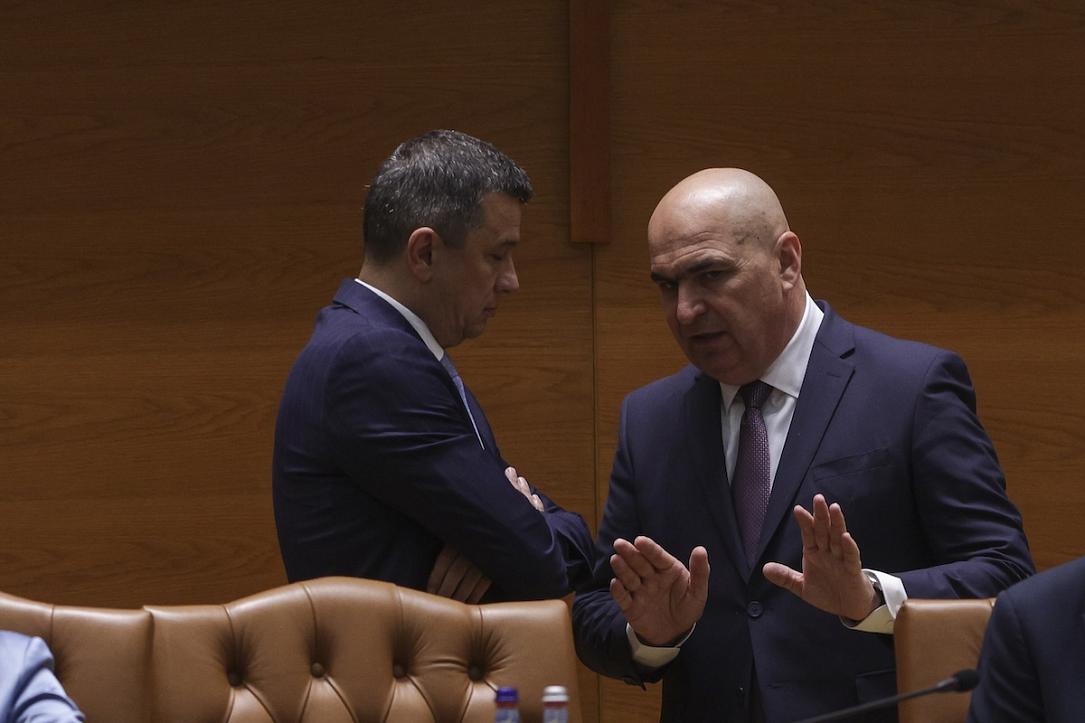
(Photo source: Inquam Photos/Octav Ganea)

Normal

Tensions ease in Romania’s ruling coalition after Social Democrats’ demands are accepted
17 February 2026

Tensions within Romania’s governing coalition appeared to subside on Monday, February 16, after the government announced that the draft bill on central and local public administration reform, along with the economic recovery package, had been finalised and agreed upon. The measures are set to be adopted by emergency ordinance once procedural steps are completed.

Key demands put forward by the Social Democratic Party (PSD) for greater flexibility in achieving budget reductions were incorporated into the final version of the legislation. In parallel, coalition leaders reportedly agreed on adjustments to local property taxation, including potential cuts for certain categories of taxpayers.

Over the weekend, PSD leaders had escalated their rhetoric, accusing prime minister Ilie Bolojan of imposing excessive and unnecessary austerity. According to political sources, three PSD-led ministries initially refused to endorse the public administration reform bill promoted by the prime minister.

Despite the sharp tone, the standoff did not appear aimed at collapsing the coalition. Rather, it reflected PSD’s effort to curb the reform agenda of prime minister Bolojan and his reformist allies, and to prevent measures perceived as threatening entrenched political and administrative interests. Analysts say PSD’s strategy has been to leverage its senior position within the coalition to dilute or reshape reforms while maintaining governing stability.

The Democratic Alliance of Hungarians in Romania (UDMR), another coalition partner, had previously requested amendments to the property taxation framework adopted in January. Those requests were also accepted.

According to the government, amendments introduced in the final draft concern institutions in defence, public order, national security, education, health, and culture, Ziarul Financiar reported. These sectors will be allowed to meet spending reduction targets through mechanisms tailored to their specific operational needs.

Government spokesperson Nadina Ioana Dogioiu clarified that expenditure cuts will not be imposed uniformly and will not necessarily or exclusively target wage funds. Each ministry will be allowed to determine the most appropriate method to achieve savings.

At the same time, reductions already implemented in salary expenditures during 2025 will be counted toward the overall 10% spending cut target.

Separately, coalition leaders agreed to revise local taxes and fees. Property tax reductions are under consideration for persons with disabilities and for owners of older homes, after rates were increased starting January 1, 2026, as reported by Digi24.

The agreement signals a temporary stabilisation within the coalition, although underlying political tensions over fiscal consolidation and reform priorities remain.

iulian@romania-insider.com

(Photo source: Inquam Photos/Octav Ganea)

Normal

Romania Insider Free Newsletters