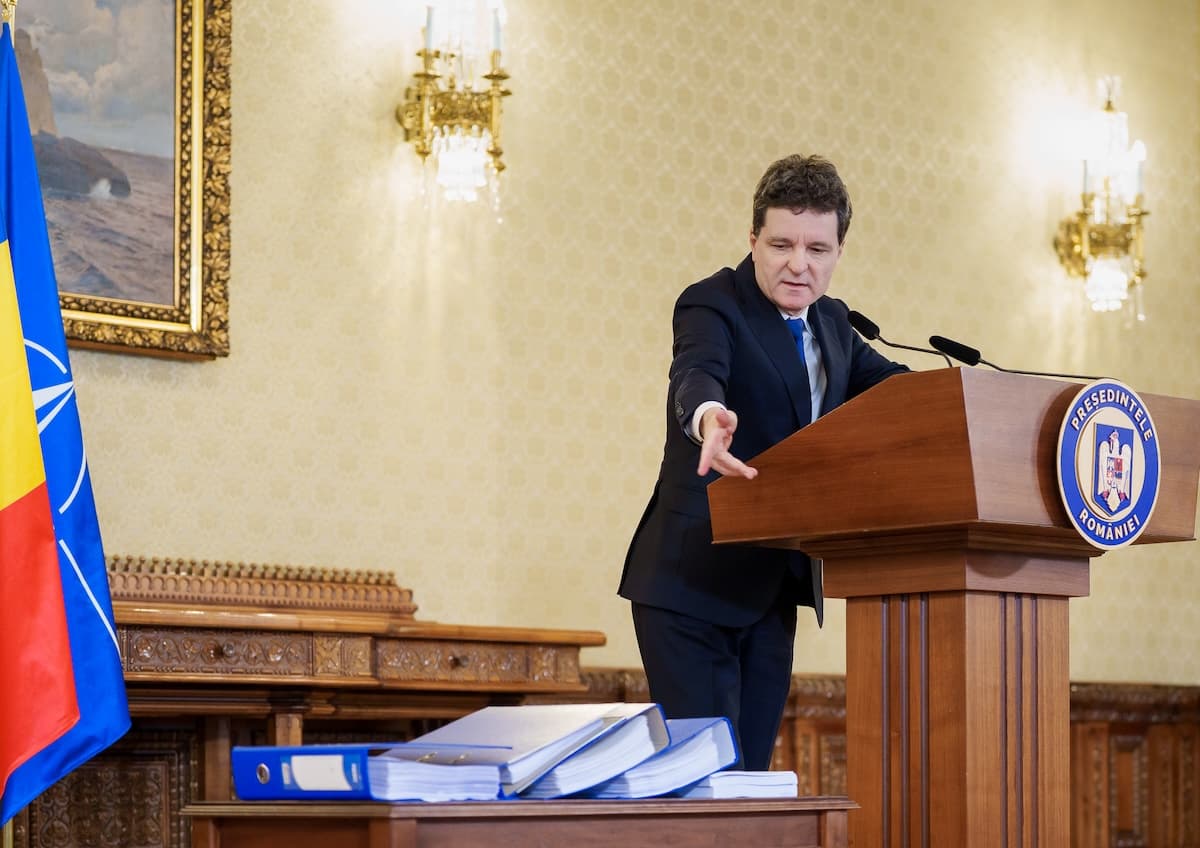
Romanian president announces January referendum among magistrates amid justice system dispute

22 December 2025

Romanian president Nicușor Dan announced on Sunday, December 21, that he will initiate a referendum among magistrates in January to determine whether the Superior Council of Magistracy (CSM) acts in the public interest or in the interest of an internal group within the judicial system. He said the decision comes amid what he described as a serious crisis of confidence in the justice system, fueled by numerous complaints and allegations raised by magistrates themselves. 

President Dan stressed that the issues brought to his attention are allegations and notifications, not established facts, and that their verification would require lengthy procedures.

Nicușor Dan said the Presidential Administration received thousands of pages of messages from magistrates, outlining both procedural reform proposals and serious concerns about how the system is run. He stated that many magistrates signaled excessive concentration of power within court leaderships, discretionary decisions regarding promotions, delegations and secondments, and a lack of objective criteria following changes introduced by the 2022 justice laws. 

Some complaints alleged that career advancement, including to the High Court of Cassation and Justice, depended on obedience to influential groups rather than professional merit.

“So, in essence, the conclusion of these notifications, most of them, is that there is a category of magistrates, members of the Superior Council of Magistracy and court leaderships, who do not act in the public interest but in the interest of a group they themselves form, and that the professional activity of magistrates is dependent, often in a discretionary manner, on the actions of this group of individuals,” the president said.

“As a result - and this is stated explicitly - even promotions to the High Court of Cassation and Justice have been made based on obedience to the group that leads the justice system rather than on professional merit, all the more so since the 2022 law removed the written examination from the promotion process, including at the High Court.” 

Dan also referred to difficulties surrounding his planned discussions with magistrates, claiming that some were intimidated or discouraged from attending meetings at the presidential Cotroceni Palace, which were scheduled for Monday, December 22. As a result, he announced that public discussions would be held with those willing to speak openly, while confidential meetings would be rescheduled.

Against this backdrop, the president said he would launch a referendum within the body of magistrates immediately after the winter holidays, with a single question asking whether the CSM acts in the public interest or in the interest of a group within the judiciary.

He said, “I believe the situation we are in is serious, given that there is this suspicion regarding integrity within the judicial system. And in light of this situation, which I consider to be serious, I will initiate in January, immediately after the holidays, a referendum within the body of magistrates with a single question: ‘Does the Superior Council of Magistracy act in the public interest, or does it act in the interest of a group within the judicial system?’”

According to the president, if magistrates affirm that the CSM acts in the public interest, legislative discussions would continue as planned. If, however, a majority concludes that the CSM does not represent the public interest, Dan said the council should step down “urgently.”

According to Agerpres, more than 250 active or retired magistrates from 27 courts and 14 prosecutor’s offices responded to the president’s public invitation to submit views on the justice system, amid broader public and institutional debates. 

Nicușor Dan’s announcement triggered strong reactions. The Judges’ Section of the CSM warned that it would not tolerate any form of interference in the activity of the judiciary, following Dan’s statement about the referendum. Meanwhile, the opposition AUR party called on parliamentary leaders, the prime minister, and the CSM to refer the matter to the Constitutional Court, accusing the president of undermining judicial independence, Digi24 reported.

Separately, according to Hotnews.ro, senator Ninel Peia from the PACE – Întâi România group said several lawmakers intend to initiate suspension proceedings against the president, accusing him of interference in the functioning of justice. He said signatures in support of the move would begin to be collected on Monday.

Former Constitutional Court president Augustin Zegrean also questioned the legality of the initiative, stating for Digi24 that Romanian law does not allow for “referendums by profession” and that the CSM cannot be revoked by such a process. He argued that the Constitution only provides for national referendums convened after parliamentary consultation and local referendums, and that any consultation of magistrates could not legally take the form of a referendum.

Public concern has been growing in Romania in recent weeks following allegations of corruption highlighted in an investigative documentary by Recorder titled “Captured Judiciary.” People have been protesting for days following the media investigation, demanding changes to the justice laws so as to ensure the independence of the system and limit the possibility of abuses. Plus, hundreds of magistrates also signed a joint public appeal expressing solidarity with judges Laurențiu Beșu and Raluca Moroșanu, who were among those raising concerns about problems within the judiciary.

Recorder journalists said the two-hour documentary is the result of more than a year and a half of investigation and seeks to explain how Romania’s judicial system, a key pillar of democracy, has allegedly been captured by a network of magistrates and politicians.

According to the investigation, political actors allegedly created a centralized legal framework that concentrated power in the hands of a small group of magistrates, who in turn delivered a form of justice favorable to powerful interests. The documentary includes testimonies from within the system, some given under protected identity, describing pressure on judges, manipulation of case allocation, and reprisals against magistrates who refuse to comply.

The Bucharest Court of Appeal (CAB) held an unprecedented press conference in response to the allegations raised in the media investigation published by Recorder, with court president Liana Arsenie firmly rejecting the claims. However, at the start of the press event, a judge from within the institution publicly stated that the “toxic” conditions described in the documentary are real.

irina.marica@romania-insider.com

(Photo source: Presidency.ro)

Normal

Romanian president announces January referendum among magistrates amid justice system dispute

22 December 2025

Romanian president Nicușor Dan announced on Sunday, December 21, that he will initiate a referendum among magistrates in January to determine whether the Superior Council of Magistracy (CSM) acts in the public interest or in the interest of an internal group within the judicial system. He said the decision comes amid what he described as a serious crisis of confidence in the justice system, fueled by numerous complaints and allegations raised by magistrates themselves. 

President Dan stressed that the issues brought to his attention are allegations and notifications, not established facts, and that their verification would require lengthy procedures.
Nicușor Dan said the Presidential Administration received thousands of pages of messages from magistrates, outlining both procedural reform proposals and serious concerns about how the system is run. He stated that many magistrates signaled excessive concentration of power within court leaderships, discretionary decisions regarding promotions, delegations and secondments, and a lack of objective criteria following changes introduced by the 2022 justice laws. 

Some complaints alleged that career advancement, including to the High Court of Cassation and Justice, depended on obedience to influential groups rather than professional merit.

“So, in essence, the conclusion of these notifications, most of them, is that there is a category of magistrates, members of the Superior Council of Magistracy and court leaderships, who do not act in the public interest but in the interest of a group they themselves form, and that the professional activity of magistrates is dependent, often in a discretionary manner, on the actions of this group of individuals,” the president said.

“As a result - and this is stated explicitly - even promotions to the High Court of Cassation and Justice have been made based on obedience to the group that leads the justice system rather than on professional merit, all the more so since the 2022 law removed the written examination from the promotion process, including at the High Court.” 

Dan also referred to difficulties surrounding his planned discussions with magistrates, claiming that some were intimidated or discouraged from attending meetings at the presidential Cotroceni Palace, which were scheduled for Monday, December 22. As a result, he announced that public discussions would be held with those willing to speak openly, while confidential meetings would be rescheduled.

Against this backdrop, the president said he would launch a referendum within the body of magistrates immediately after the winter holidays, with a single question asking whether the CSM acts in the public interest or in the interest of a group within the judiciary.

He said, “I believe the situation we are in is serious, given that there is this suspicion regarding integrity within the judicial system. And in light of this situation, which I consider to be serious, I will initiate in January, immediately after the holidays, a referendum within the body of magistrates with a single question: ‘Does the Superior Council of Magistracy act in the public interest, or does it act in the interest of a group within the judicial system?’”

According to the president, if magistrates affirm that the CSM acts in the public interest, legislative discussions would continue as planned. If, however, a majority concludes that the CSM does not represent the public interest, Dan said the council should step down “urgently.”

According to Agerpres, more than 250 active or retired magistrates from 27 courts and 14 prosecutor’s offices responded to the president’s public invitation to submit views on the justice system, amid broader public and institutional debates. 

Nicușor Dan’s announcement triggered strong reactions. The Judges’ Section of the CSM warned that it would not tolerate any form of interference in the activity of the judiciary, following Dan’s statement about the referendum. Meanwhile, the opposition AUR party called on parliamentary leaders, the prime minister, and the CSM to refer the matter to the Constitutional Court, accusing the president of undermining judicial independence, Digi24 reported.

Separately, according to Hotnews.ro, senator Ninel Peia from the PACE – Întâi România group said several lawmakers intend to initiate suspension proceedings against the president, accusing him of interference in the functioning of justice. He said signatures in support of the move would begin to be collected on Monday.

Former Constitutional Court president Augustin Zegrean also questioned the legality of the initiative, stating for Digi24 that Romanian law does not allow for “referendums by profession” and that the CSM cannot be revoked by such a process. He argued that the Constitution only provides for national referendums convened after parliamentary consultation and local referendums, and that any consultation of magistrates could not legally take the form of a referendum.

Public concern has been growing in Romania in recent weeks following allegations of corruption highlighted in an investigative documentary by Recorder titled “Captured Judiciary.” People have been protesting for days following the media investigation, demanding changes to the justice laws so as to ensure the independence of the system and limit the possibility of abuses. Plus, hundreds of magistrates also signed a joint public appeal expressing solidarity with judges Laurențiu Beșu and Raluca Moroșanu, who were among those raising concerns about problems within the judiciary.

Recorder journalists said the two-hour documentary is the result of more than a year and a half of investigation and seeks to explain how Romania’s judicial system, a key pillar of democracy, has allegedly been captured by a network of magistrates and politicians.

According to the investigation, political actors allegedly created a centralized legal framework that concentrated power in the hands of a small group of magistrates, who in turn delivered a form of justice favorable to powerful interests. The documentary includes testimonies from within the system, some given under protected identity, describing pressure on judges, manipulation of case allocation, and reprisals against magistrates who refuse to comply.

The Bucharest Court of Appeal (CAB) held an unprecedented press conference in response to the allegations raised in the media investigation published by Recorder, with court president Liana Arsenie firmly rejecting the claims. However, at the start of the press event, a judge from within the institution publicly stated that the “toxic” conditions described in the documentary are real.

irina.marica@romania-insider.com

(Photo source: Presidency.ro)

Normal

Romania Insider Free Newsletters