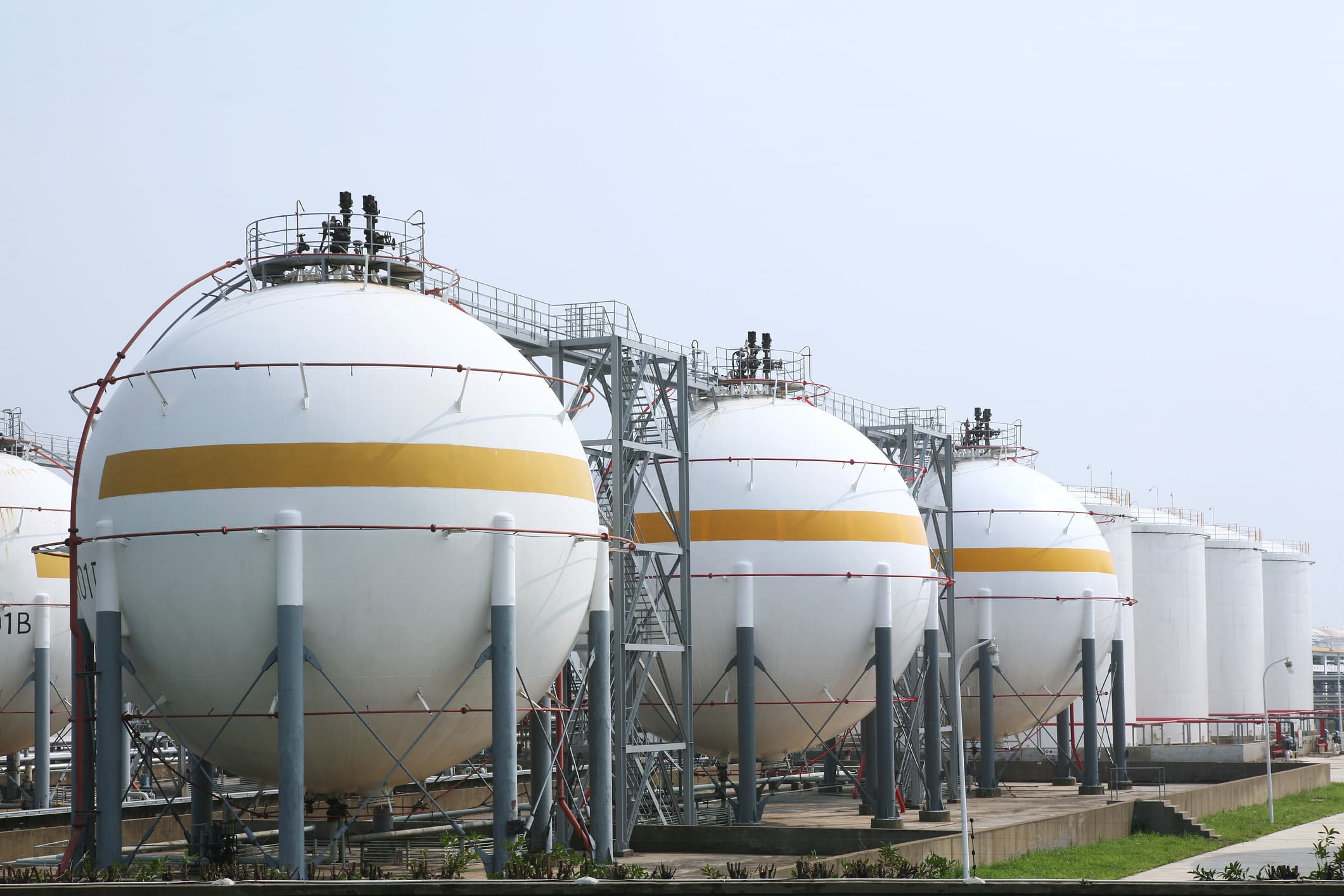
Romania mulls reopening the Petrotel Lukoil Refinery to ease fuel costs
Energy minister, Bogdan Ivan, said that the government is considering reopening the Petrotel Lukoil Refinery in Ploiești, southern Romania, to process a larger quantity of fuel for the domestic market. This would help lower fossil fuel costs, which have risen sharply following the Iran war.
The executive is poised to implement a set of measures to address the fuel market. Aside from Petrotel, a technical overhaul at the Petromidia Refinery in Constanța County has been postponed, and the Petrobrazi Refinery is operating at maximum capacity.
“We have considered reopening, re-operationalizing the Petrotel refinery, which will be able to process up to 20% of the oil refined in Romania and automatically ensure more petroleum products on the market,” the minister said during an interview on Monday, March 9, cited by News.ro.
The refinery, along with other Lukoil possessions in Romania and elsewhere, is up for sale, pressured by US sanctions. The US Treasury is overseeing the sale of the Lukoil portfolio, valued at USD 22 billion. Last week, it extended the deadline for deals to be concluded to April 1, according to Reuters.
Last year, the Romanian government decided to supervise the operations at Lukoil’s Petrotel refinery and not be involved in its management until a new owner is found.
Having the major refinery up and running could help ease pressures on the Romanian fuel market as prices fluctuate globally after the US and Israel attacked Iran, a major oil producer. According to minister Ivan, fuel prices increased in Romania by an average of RON 0.50, less than in other European states. The official explained that five scenarios have been prepared, “written, substantiated, with budgetary impact,” for “stopping as much as possible the increase in fuel and natural gas prices.”
However, Romania is not directly responsible for the recent rise in prices. “What we cannot control is the price at the global level. We are already in an area of historic records, the largest weekly increase since 1983,” the minister said, adding that companies should not use the war to hike prices and increase their profits.
Fuel costs could easily spill into other sectors, leading to prolonged inflation. “We are working together with the Ministry of Finance, with all colleagues in the Government of Romania, to find methods through which to protect people from these galloping increases. We are also talking about transporters, about agriculture, because the spring crop season is beginning,” he also said.
Fuel prices in Romania increased from Monday to Tuesday, March 9 to 10, by RON 0.10, or RON 0.15 per liter, the fourth increase since the beginning of the war in the Middle East. At the moment, one liter of diesel costs on average RON 8.70, while one liter of gasoline has passed the threshold of RON 8.30.
Globally, the price for a barrel of crude oil is USD 87 at the time of writing, down from a high of USD 95. If the price goes beyond USD 100, fuel in Romania could reach RON 10 per liter, experts say. According to an independent analysis conducted by Dumitru Chisăliță, president of the Intelligent Energy Association, and cited by Digi24, about half of the fuel prices in Romania are represented by taxes. However, the executive relies on higher incomes to tackle a large deficit, therefore its limited room to maneuver.
(Photo source: Rafinaria Petrotel Lukoil on Facebook)