Analysis: Flower sales in Romania to exceed EUR 40 mln in March 1-8 period
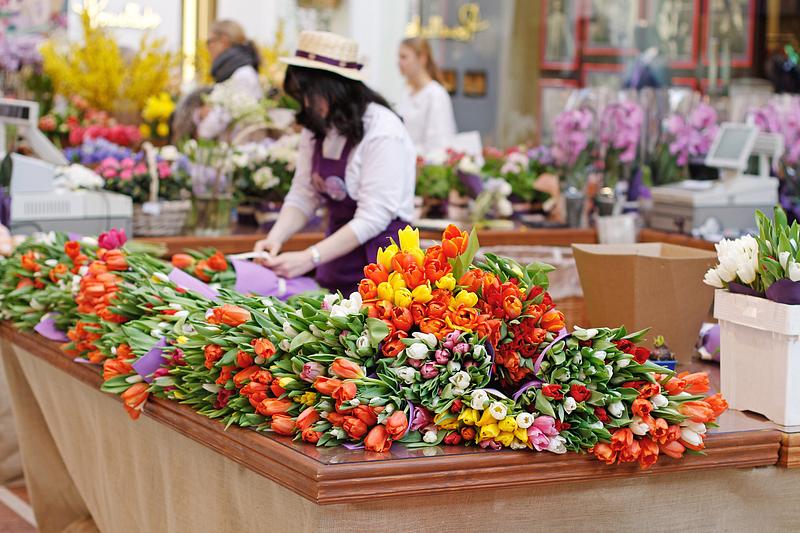
Flower sales in Romania are expected to surpass EUR 40 million between March 1 and 8, marking the peak season for florists, according to an analysis by consultancy firm Frames. The estimate represents a significant increase from last year’s projection of EUR 30 million, reflecting steady growth in recent years.
Adrian Negrescu, manager of Frames, said that even under conservative assumptions that only half of Romania’s roughly 4 million women aged 15 to 49 receive a bouquet priced at an average of RON 100, sales would exceed RON 200 million (around EUR 40 million) in just a few days, as reported by Ziarul Financiar.
The flower business in Romania is heavily seasonal, with early March traditionally the strongest period of the year, driven by celebrations such as March 1 (mǎrțișor) and International Women’s Day on March 8. More than 90% of sales are concentrated in urban areas.
Seasonal flowers such as hyacinths and freesias remain among the most popular choices in 2026. Demand for roses is also rising, as consumers view them as a “safe” option due to stable pricing and abundant supply.
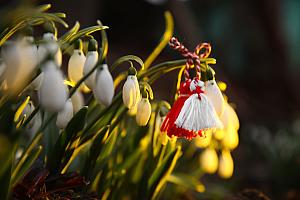
Snowdrops are seeing renewed interest as well, fueled by their symbolism as harbingers of spring following late February snowfall, and by their relatively affordable price amid inflationary pressures, according to the same analysis.
Frames estimated that Romania’s flower market generated revenues of RON 2.82 billion in 2024, with a net profit of RON 192.1 million. For 2026, turnover is projected to reach RON 3.5 billion and net profit RON 220 million, though analysts warn that much of the nominal growth is driven by inflation rather than higher sales volumes.
The sector has also seen a rapid increase in the number of companies, rising from 3,111 firms in 2021 to 10,151 in 2024. However, employment growth has been modest, suggesting a highly fragmented market dominated by microenterprises and family-run businesses, often with minimal staff.
Despite its profitability, the industry faces structural vulnerabilities, particularly its heavy reliance on imports. Rising energy, transport, and logistics costs have made locally grown flowers more expensive than imported products, especially those sourced from the Netherlands and other countries. Analysts warn that without energy subsidies, many domestic producers risk being pushed out of the market.
irina.marica@romania-insider.com
(Photo source: Iuliia Oleinik/Dreamstime.com)