EC to decide by mid-March on EUR 3.5 bln disbursements for Romania under Resilience Facility

27 February 2026

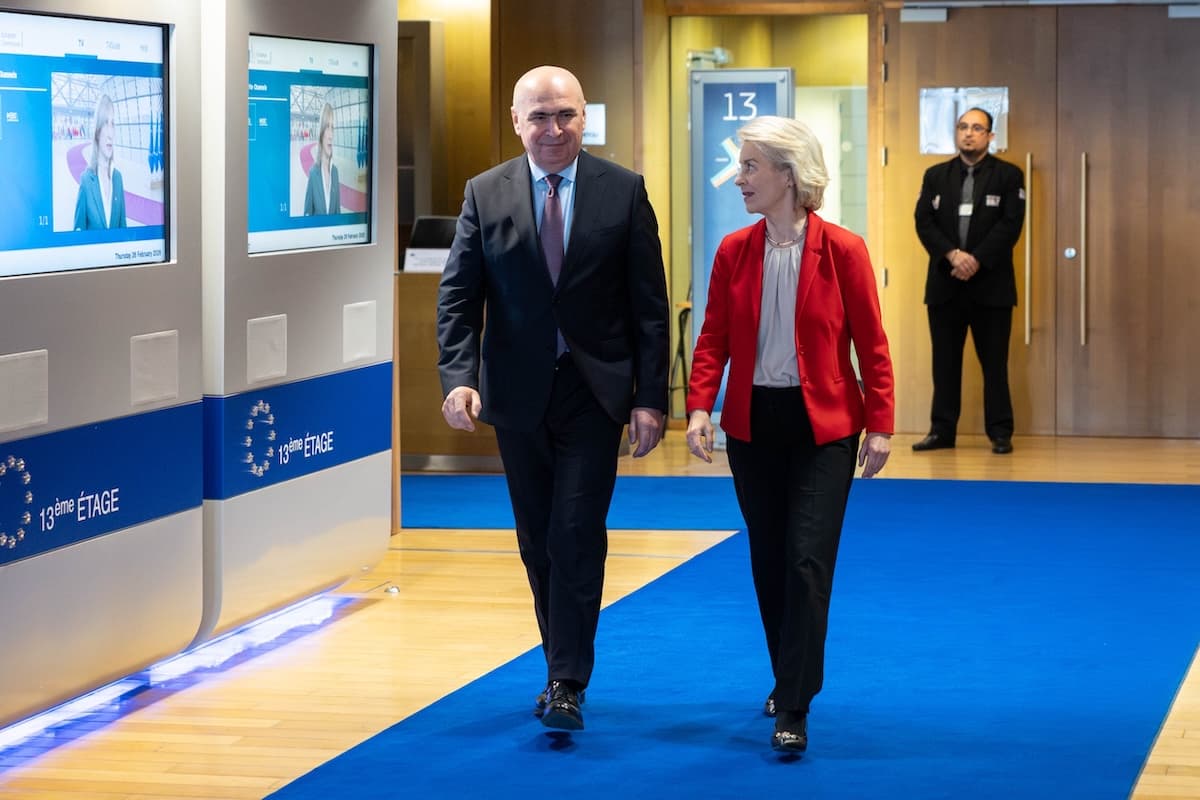
The European Commission (EC) will decide by mid-March about the suspended portion of the third disbursement request under the Resilience Facility (RRF) – namely, EUR 869 million – and the fourth request (EUR 2.6 billion), announced prime minister Ilie Bolojan after meeting European Commission president Ursula von der Leyen in Brussels on February 26. He said he hoped the decision would be favourable to Romania.

Taken together, the EUR 3.47 billion accounts for one third of the money Romania still has to absorb under RRF.
The third request was filed in December 2023 and partly disbursed in June 2025, when Romania received EUR 1.3 billion – EUR 622 million in grants and EUR 657 million in loans.

The EC suspended another EUR 869 million, EUR 814 million in grants, and EUR 55 million in loans for milestones not met. Among the most important milestones not met are the new law on magistrates’ pensions and the decarbonisation (closure of coal-fired power plants by replacement with green energy resources). The November 28 extended deadline was long overdue, but Romanian government officials implied the EC could make an exception. 

“The two officials [Bolojan and von der Leyen] agreed that Romania's requests will be analysed at the European Commission level, with a view to adopting the final decision on payment requests 3 and 4, and will send a response in the first part of March," a Romanian government statement reads.

Although an unrelated topic, failure to legislate the 2026 budget plan in line with the 6.2% of GDP deficit target promised by PM Bolojan by mid-March could result in a tighter stance of the Commission on the suspended payments. 

PM Bolojan admitted that while the magistrates’ pension milestone was met (or is close to being met by final promulgation of the law), the decarbonisation targets will not be met; therefore, the related disbursement will be partial.

PM Bolojan also mentioned the fourth, EUR 2.6 billion, disbursement filed by Romania in December 2025.

Including the fourth request and the EUR 869 million suspended, Romania still has to absorb EUR 10.65 billion under the Resilience Facility (RRF), EUR 7.12 billion in grants, and EUR 3.53 billion in loans. 

So far, EC has disbursed Romania EUR 10.76 billion (EUR 6.45 billion grants and EUR 4.31 billion loans), out of which the bulk is in pre-payment and the first tranche, in 2022: EUR 6.35 billion in total. However, when it comes to use, Romania used the RRF money predominantly in 2025.

Also on February 26 in Brussels, PM Bolojan met with Valdis Dombrovskis, European Commissioner for Economy and Productivity. The discussion with him was focused on the budget and the absorption of European funds. 

“We discussed the challenges related to our [2026 national] budget, which is in an advanced stage. An important challenge will be the investment side. This year we will have a peak in investments, mainly due to European funds through the National Relaunch and Resilience Plan, which must be absorbed by the end of August," Ilie Bolojan said.

iulian@romania-insider.com

(Photo source: Gov.ro)

Normal

EC to decide by mid-March on EUR 3.5 bln disbursements for Romania under Resilience Facility

27 February 2026

The European Commission (EC) will decide by mid-March about the suspended portion of the third disbursement request under the Resilience Facility (RRF) – namely, EUR 869 million – and the fourth request (EUR 2.6 billion), announced prime minister Ilie Bolojan after meeting European Commission president Ursula von der Leyen in Brussels on February 26. He said he hoped the decision would be favourable to Romania.

Taken together, the EUR 3.47 billion accounts for one third of the money Romania still has to absorb under RRF.
The third request was filed in December 2023 and partly disbursed in June 2025, when Romania received EUR 1.3 billion – EUR 622 million in grants and EUR 657 million in loans.

The EC suspended another EUR 869 million, EUR 814 million in grants, and EUR 55 million in loans for milestones not met. Among the most important milestones not met are the new law on magistrates’ pensions and the decarbonisation (closure of coal-fired power plants by replacement with green energy resources). The November 28 extended deadline was long overdue, but Romanian government officials implied the EC could make an exception. 

“The two officials [Bolojan and von der Leyen] agreed that Romania's requests will be analysed at the European Commission level, with a view to adopting the final decision on payment requests 3 and 4, and will send a response in the first part of March," a Romanian government statement reads.

Although an unrelated topic, failure to legislate the 2026 budget plan in line with the 6.2% of GDP deficit target promised by PM Bolojan by mid-March could result in a tighter stance of the Commission on the suspended payments. 

PM Bolojan admitted that while the magistrates’ pension milestone was met (or is close to being met by final promulgation of the law), the decarbonisation targets will not be met; therefore, the related disbursement will be partial.

PM Bolojan also mentioned the fourth, EUR 2.6 billion, disbursement filed by Romania in December 2025.

Including the fourth request and the EUR 869 million suspended, Romania still has to absorb EUR 10.65 billion under the Resilience Facility (RRF), EUR 7.12 billion in grants, and EUR 3.53 billion in loans. 

So far, EC has disbursed Romania EUR 10.76 billion (EUR 6.45 billion grants and EUR 4.31 billion loans), out of which the bulk is in pre-payment and the first tranche, in 2022: EUR 6.35 billion in total. However, when it comes to use, Romania used the RRF money predominantly in 2025.

Also on February 26 in Brussels, PM Bolojan met with Valdis Dombrovskis, European Commissioner for Economy and Productivity. The discussion with him was focused on the budget and the absorption of European funds. 

“We discussed the challenges related to our [2026 national] budget, which is in an advanced stage. An important challenge will be the investment side. This year we will have a peak in investments, mainly due to European funds through the National Relaunch and Resilience Plan, which must be absorbed by the end of August," Ilie Bolojan said.

iulian@romania-insider.com

(Photo source: Gov.ro)

Normal

Romania Insider Free Newsletters