Romania posts budget surplus in January as spending is restrained by lack of budget law
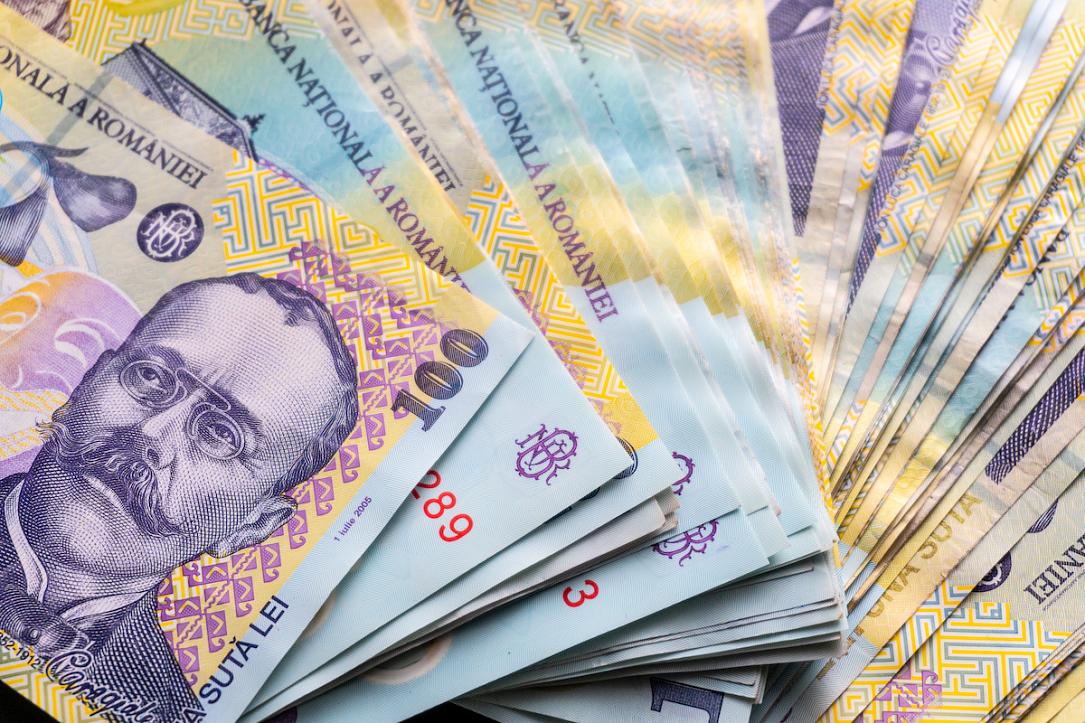
The general government budget execution data for January, not yet published officially but consulted by Ziarul Financiar, show a surplus of RON 845 million (over EUR 160 million, or 0.04% of GDP). The revenues of RON 55.1 billion were higher than the RON 54.3 billion expenses.
"This is the first January budget execution with a surplus in the last seven years, the previous one being in 2019," finance minister Alexandru Nazare said in a Bloomberg interview cited by Cursdeguvernare.ro, adding that the improvement in the budget balance "sends a clear signal of fiscal discipline."
Minister Nazare also confirmed that the 2026 budget would be approved in the coming weeks, with a deficit target agreed with the European Commission of 6.2% of GDP.
According to minister Nazare, the deficit target for this year is "around 6%", but the challenge this year is to coordinate budget reduction measures with those to revive the economy, which is in technical recession. In this context, European funds, especially those from the PNRR, will play an essential role.
During the period when the budget is not adopted, the rule is that the level of expenditure is capped at 1/12 of the previous year's expenditure.
The 2026 budget has not been adopted, so there may be a budget surplus in February as well, given that expenditure increases cannot be made compared to the previous year.
In January 2025, the deficit was 0.6% of GDP, or RON 11 billion.
Budget revenues increased by 18% y/y to RON 55.1 billion in January, primarily based on a 24% y/y increase in net VAT revenues. The VAT increase comes partly as a result of the increase in the general VAT rate from 19 to 21%.
Corporate tax revenues increased by 22% y/y, while excise taxes only increased by 7% y/y, which shows a sharp decline in the consumption of excisable products as a result of the increase in excise taxes. Social security contributions increased by only 8% y/y as a result of the slowdown in wage growth in the economy, while payroll and income taxes increased by 31% in January as a result of the increase in the dividend tax.
In terms of expenditure, the largest decrease was in goods and services, by 12% y/y. Personnel expenditure was down by 3%, and some good news came from interest expenditure, which decreased by 8%. Social expenditure, which primarily means pensions, increased by 2% as a result of pension freezing.
The GDP assumed for 2026 is RON 2,045 billion, an increase of 6% in nominal value in lei compared to 2025.
iulian@romania-insider.com
(Photo source: George Oprea/Dreamstime.com)