Lukoil seeks to put its Romanian Black Sea perimeter Trident under force majeure protection

25 February 2026

Lukoil Overseas Atash BV, a subsidiary of the Russian group Lukoil and operator of the Trident offshore perimeter in the Black Sea (88%), has officially notified the Romanian authorities that it is in a force majeure situation that makes it impossible for it to continue operations, according to Mediafax. The force majeure could prevent the transfer of the exploration licence, which furthermore expires this October, to Lukoil’s minority partner in the project - Romanian state-owned company Romgaz. 

In 2025, preparations were reported for drilling an exploration well, and resource estimates of tens of billions of cubic meters were circulated in the public space, with significant investments in exploration.

Lukoil, on February 13, filed a procedure in court involving the National Regulatory Authority for Mining, Petroleum and Geological Storage of Carbon Dioxide (ANRMPSG) and its partner in the Trident perimeter, Romgaz, to obtain legal recognition of the force majeure case, Mediafax reported, citing the public judicial registry portal.

The move came shortly after the government established an extended surveillance regime over several assets of the Lukoil group in Romania, a measure publicly justified by the need to prevent capital outflows and by the argument that Romgaz's association with a Russian operator at Trident represents a "strategic vulnerability."

Under the provision of the extended surveillance regime, the government of Romania is entitled to appoint supervisors to monitor the activity of Lukoil's Romanian subsidiaries, "to identify any reasonable indications regarding the conduct of any operations with designated persons and/or entities, which are subject to unilateral sanctions adopted by other states, which are not mandatory for Romania," and to approve all their external transactions and payments. 

The extended surveillance regime could lead to the transfer of the licence for Trident perimeter to Lukoil’s partner in the project that is not under international sanctions – Romgaz.

The extended surveillance regime also provides that, if the licence holders against whom the termination of the petroleum agreement does not apply (Romgaz, in this case) opt for the continuation of the concession, this is achieved by concluding an addendum to the existing petroleum agreement. If Lukoil does not accept the conclusion of the additional act, "to complete the works from the assumed exploration program, for the continuation of oil operations in the free perimeter resulting from its redelineation under the law, a new oil agreement may be concluded with the other holders who assume their obligations in this regard.”

On January 29, Lukoil announced it had agreed to sell its international business to US investment fund Carlyle, including Romanian assets.

According to Reuters, Lukoil has until February 28 to sell its foreign assets, given that transactions are subject to approvals and mechanisms imposed by the US authorities.

iulian@romania-insider.com

(Photo source: Mira Agron/Dreamstime.com)

Normal

Lukoil seeks to put its Romanian Black Sea perimeter Trident under force majeure protection
25 February 2026

Lukoil Overseas Atash BV, a subsidiary of the Russian group Lukoil and operator of the Trident offshore perimeter in the Black Sea (88%), has officially notified the Romanian authorities that it is in a force majeure situation that makes it impossible for it to continue operations, according to Mediafax. The force majeure could prevent the transfer of the exploration licence, which furthermore expires this October, to Lukoil’s minority partner in the project - Romanian state-owned company Romgaz. 

In 2025, preparations were reported for drilling an exploration well, and resource estimates of tens of billions of cubic meters were circulated in the public space, with significant investments in exploration.

Lukoil, on February 13, filed a procedure in court involving the National Regulatory Authority for Mining, Petroleum and Geological Storage of Carbon Dioxide (ANRMPSG) and its partner in the Trident perimeter, Romgaz, to obtain legal recognition of the force majeure case, Mediafax reported, citing the public judicial registry portal.

The move came shortly after the government established an extended surveillance regime over several assets of the Lukoil group in Romania, a measure publicly justified by the need to prevent capital outflows and by the argument that Romgaz's association with a Russian operator at Trident represents a "strategic vulnerability."

Under the provision of the extended surveillance regime, the government of Romania is entitled to appoint supervisors to monitor the activity of Lukoil's Romanian subsidiaries, "to identify any reasonable indications regarding the conduct of any operations with designated persons and/or entities, which are subject to unilateral sanctions adopted by other states, which are not mandatory for Romania," and to approve all their external transactions and payments. 

The extended surveillance regime could lead to the transfer of the licence for Trident perimeter to Lukoil’s partner in the project that is not under international sanctions – Romgaz.

The extended surveillance regime also provides that, if the licence holders against whom the termination of the petroleum agreement does not apply (Romgaz, in this case) opt for the continuation of the concession, this is achieved by concluding an addendum to the existing petroleum agreement. If Lukoil does not accept the conclusion of the additional act, "to complete the works from the assumed exploration program, for the continuation of oil operations in the free perimeter resulting from its redelineation under the law, a new oil agreement may be concluded with the other holders who assume their obligations in this regard.”

On January 29, Lukoil announced it had agreed to sell its international business to US investment fund Carlyle, including Romanian assets.

According to Reuters, Lukoil has until February 28 to sell its foreign assets, given that transactions are subject to approvals and mechanisms imposed by the US authorities.

iulian@romania-insider.com

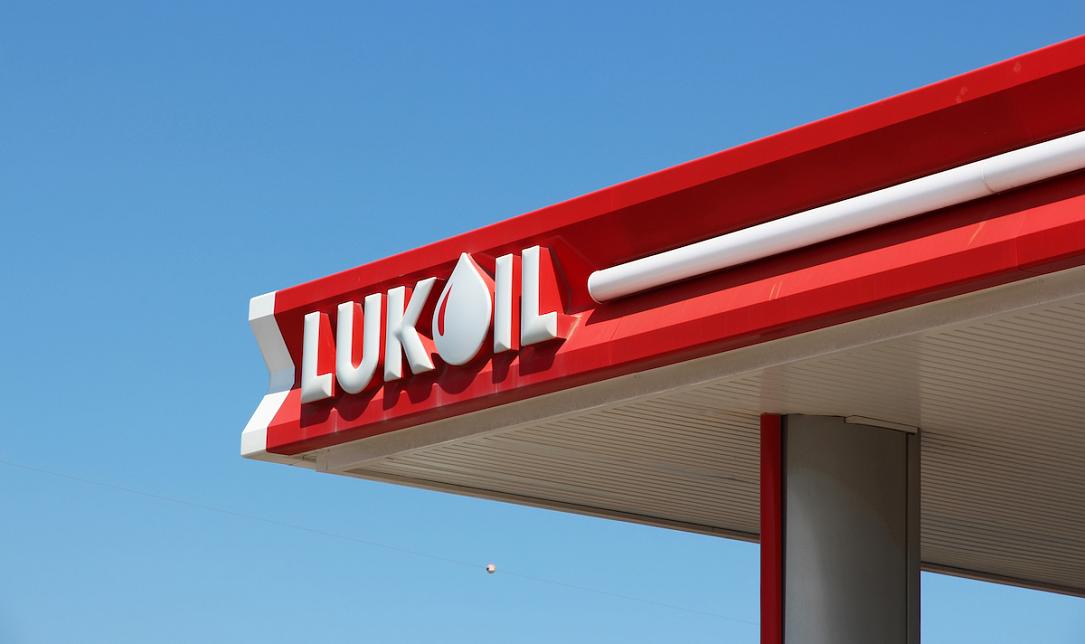
(Photo source: Mira Agron/Dreamstime.com)

Normal

Romania Insider Free Newsletters