Romania’s president approves law allowing local police to use body-worn cameras
President Nicușor Dan promulgated this past weekend the law allowing local police officers to use portable photo, video, and audio recording devices while carrying out their duties. The move, he said, is aimed at increasing transparency…
Irina Marica · Journalist
· Updated · 1 min read

President Nicușor Dan promulgated this past weekend the law allowing local police officers to use portable photo, video, and audio recording devices while carrying out their duties. The move, he said, is aimed at increasing transparency and public safety.
Under the new legislation, local police will be permitted to use body-worn cameras in clearly defined situations in public spaces, even without the consent of those being recorded. These include identity checks, the identification of misdemeanours, the use of restraint measures, and interventions carried out to protect life and maintain public order.
“Where circumstances allow, citizens will be informed that they are being recorded, and local authorities are required to publicly communicate the equipping of local police officers with such devices,” president Dan said.
The regulation also sets limits on data retention, stipulating that recordings may be stored for a maximum of six months before being destroyed, unless they are needed as evidence in judicial proceedings.
To support the technical implementation of the system, local public administrations will be able to access European Union funds.
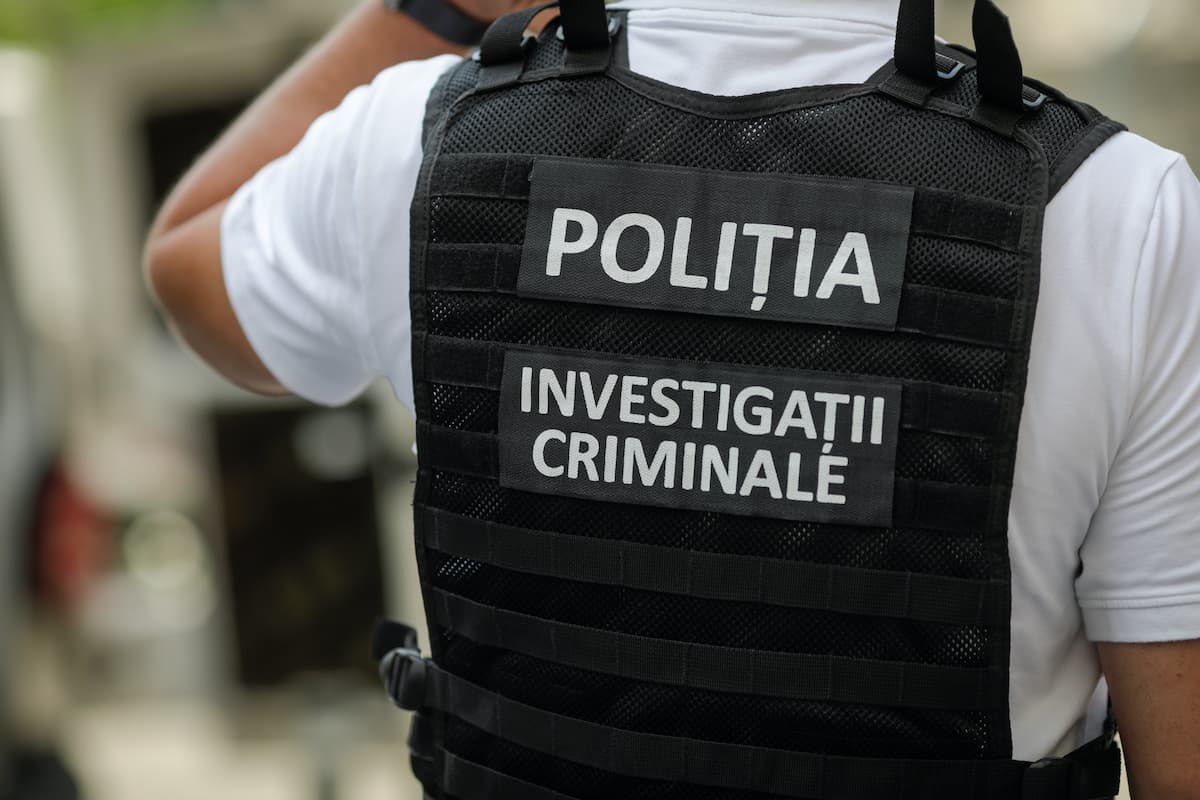
(Photo source: Oleksandr Lutsenko/Dreamstime.com)
Free newsletters
Romania, in your inbox before your first coffee.
Get the Daily — the morning briefing, free, in English, unsubscribe anytime. Want business, real estate or travel digests too? Pick your newsletters →