LGBTQ+ people in Romania and Europe subject to coordinated far-right offensive, report says

27 February 2026

LGBTQ+ people in Europe are facing a coordinated far-right offensive, according to the annual report of ILGA Europe (The International Lesbian, Gay, Bisexual, Trans and Intersex Association), produced also with the contribution of the Romanian organization ACCEPT. 

The document analyzes social, legal, and political events in 54 countries throughout the year. It points out that in Romania, the anti-LGBTQ+ campaign was intensified in the context of the 2025 presidential elections, when several politicians promoted speeches against equal rights. 

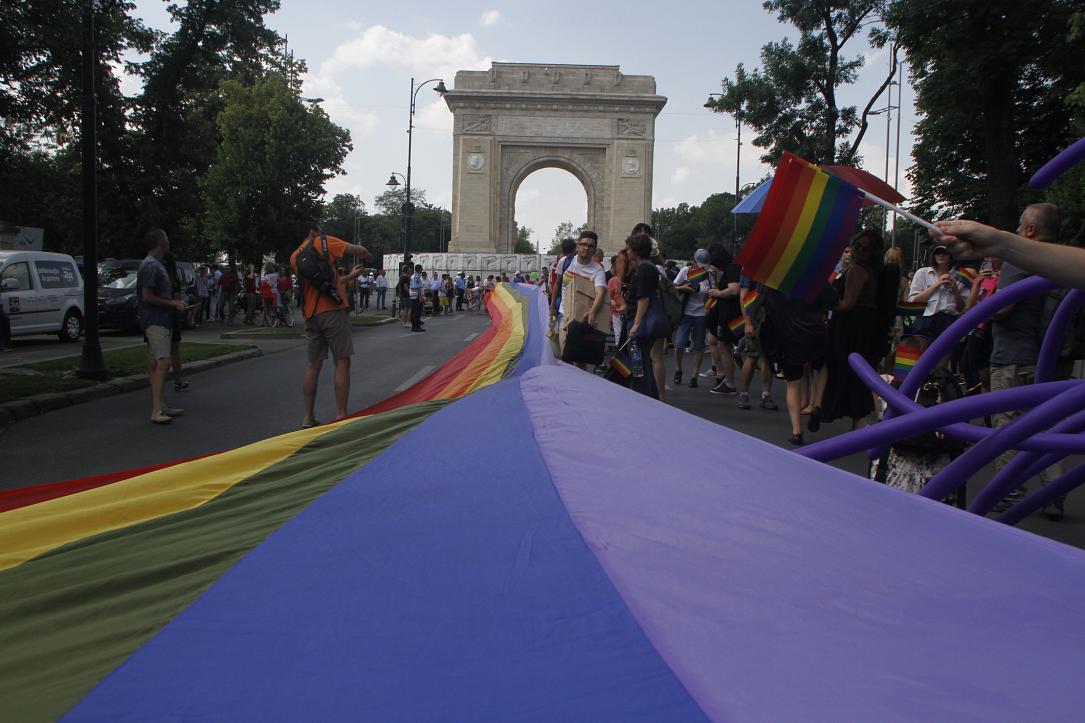
As part of this campaign, the Bucharest PRIDE march was the target of attacks orchestrated by ultra-conservative leaders, and the authorities in Oradea attempted to block events dedicated to the LGBTQ+ community, which led to a protest attended by 500 people, the report said. 

In Hungary, PRIDE marches and public gatherings were banned, with fines for participants, while in Turkey, participants in protests are detained by police. Belarus adopts restrictive laws, and Russia persecutes voices defending human rights, labeling them “extremist.” Similar measures affect non-governmental organizations in Georgia and Serbia, restricting access to international funding. 

“We are talking about an orchestrated offensive against LGBTQ+ people, manifested through speeches, disinformation, and legislative or administrative pressure. This offensive is not just a trend, but a coordinated strategy at the European level,” explained the ILGA Europe report, cited by ACCEPT. 

At the same time, the report highlighted examples of resistance: Poland repealed the last “LGBTQ+ free zone” type resolutions. In Spain, the Parliament of the Canary Islands rejected proposals to repeal equality and anti-discrimination legislation. Catalonia strengthened sanctions against LGBTI-phobia, including provisions regarding “conversion practices” and hate speech promoted online. Denmark began to develop policies to improve the healthcare system’s response to the needs of LGBTQ+ people after dialogue with civil society. 

“We expect a rapid and firm reaction from political decision-makers in Romania, who should take urgent measures to protect all citizens, including LGBTI people,” said Victor Ciobotaru, executive director of ACCEPT.

The vast majority of Romanian political parties, including the left-wing Social Democratic Party (or PSD), have historically expressed a socially conservative stance regarding sexual minorities. This week, however, PSD leader Sorin Grindeanu stated he would implement the ECHR decision to recognize same-sex marriages performed in other countries as prime minister.

“My point of view is that everyone at home has the right to do what they want, as long as it does not affect the freedoms of others. If there are people with this type of sexual orientation, it is their business, and they must also have rights, just like everyone else. That is my point of view,” he said during an interview with G4Media.

The statement contradicts all of PSD’s previous stances on the issue. In 2023, former prime minister and PSD leader Marcel Ciolacu said that Romania was not ready to recognize same-sex marriages. 

Romania’s obligation to protect and recognize families formed by same-sex couples was reconfirmed by the panel of judges of the Grand Chamber, which rejected the appeal filed by the Romanian government in the Buhuceanu and Ciobotaru case against Romania. The ruling, given in May 2023, obliges Romania to adopt urgent measures to ensure the protection and legal recognition of all families.

radu@romania-insider.com

(Photo source: Gabriel Petrescu|Dreamstime.com)

Normal

LGBTQ+ people in Romania and Europe subject to coordinated far-right offensive, report says
27 February 2026

LGBTQ+ people in Europe are facing a coordinated far-right offensive, according to the annual report of ILGA Europe (The International Lesbian, Gay, Bisexual, Trans and Intersex Association), produced also with the contribution of the Romanian organization ACCEPT. 

The document analyzes social, legal, and political events in 54 countries throughout the year. It points out that in Romania, the anti-LGBTQ+ campaign was intensified in the context of the 2025 presidential elections, when several politicians promoted speeches against equal rights. 

As part of this campaign, the Bucharest PRIDE march was the target of attacks orchestrated by ultra-conservative leaders, and the authorities in Oradea attempted to block events dedicated to the LGBTQ+ community, which led to a protest attended by 500 people, the report said. 

In Hungary, PRIDE marches and public gatherings were banned, with fines for participants, while in Turkey, participants in protests are detained by police. Belarus adopts restrictive laws, and Russia persecutes voices defending human rights, labeling them “extremist.” Similar measures affect non-governmental organizations in Georgia and Serbia, restricting access to international funding. 

“We are talking about an orchestrated offensive against LGBTQ+ people, manifested through speeches, disinformation, and legislative or administrative pressure. This offensive is not just a trend, but a coordinated strategy at the European level,” explained the ILGA Europe report, cited by ACCEPT. 

At the same time, the report highlighted examples of resistance: Poland repealed the last “LGBTQ+ free zone” type resolutions. In Spain, the Parliament of the Canary Islands rejected proposals to repeal equality and anti-discrimination legislation. Catalonia strengthened sanctions against LGBTI-phobia, including provisions regarding “conversion practices” and hate speech promoted online. Denmark began to develop policies to improve the healthcare system’s response to the needs of LGBTQ+ people after dialogue with civil society. 

“We expect a rapid and firm reaction from political decision-makers in Romania, who should take urgent measures to protect all citizens, including LGBTI people,” said Victor Ciobotaru, executive director of ACCEPT.

The vast majority of Romanian political parties, including the left-wing Social Democratic Party (or PSD), have historically expressed a socially conservative stance regarding sexual minorities. This week, however, PSD leader Sorin Grindeanu stated he would implement the ECHR decision to recognize same-sex marriages performed in other countries as prime minister.

“My point of view is that everyone at home has the right to do what they want, as long as it does not affect the freedoms of others. If there are people with this type of sexual orientation, it is their business, and they must also have rights, just like everyone else. That is my point of view,” he said during an interview with G4Media.

The statement contradicts all of PSD’s previous stances on the issue. In 2023, former prime minister and PSD leader Marcel Ciolacu said that Romania was not ready to recognize same-sex marriages. 

Romania’s obligation to protect and recognize families formed by same-sex couples was reconfirmed by the panel of judges of the Grand Chamber, which rejected the appeal filed by the Romanian government in the Buhuceanu and Ciobotaru case against Romania. The ruling, given in May 2023, obliges Romania to adopt urgent measures to ensure the protection and legal recognition of all families.

radu@romania-insider.com

(Photo source: Gabriel Petrescu|Dreamstime.com)

Normal

Romania Insider Free Newsletters