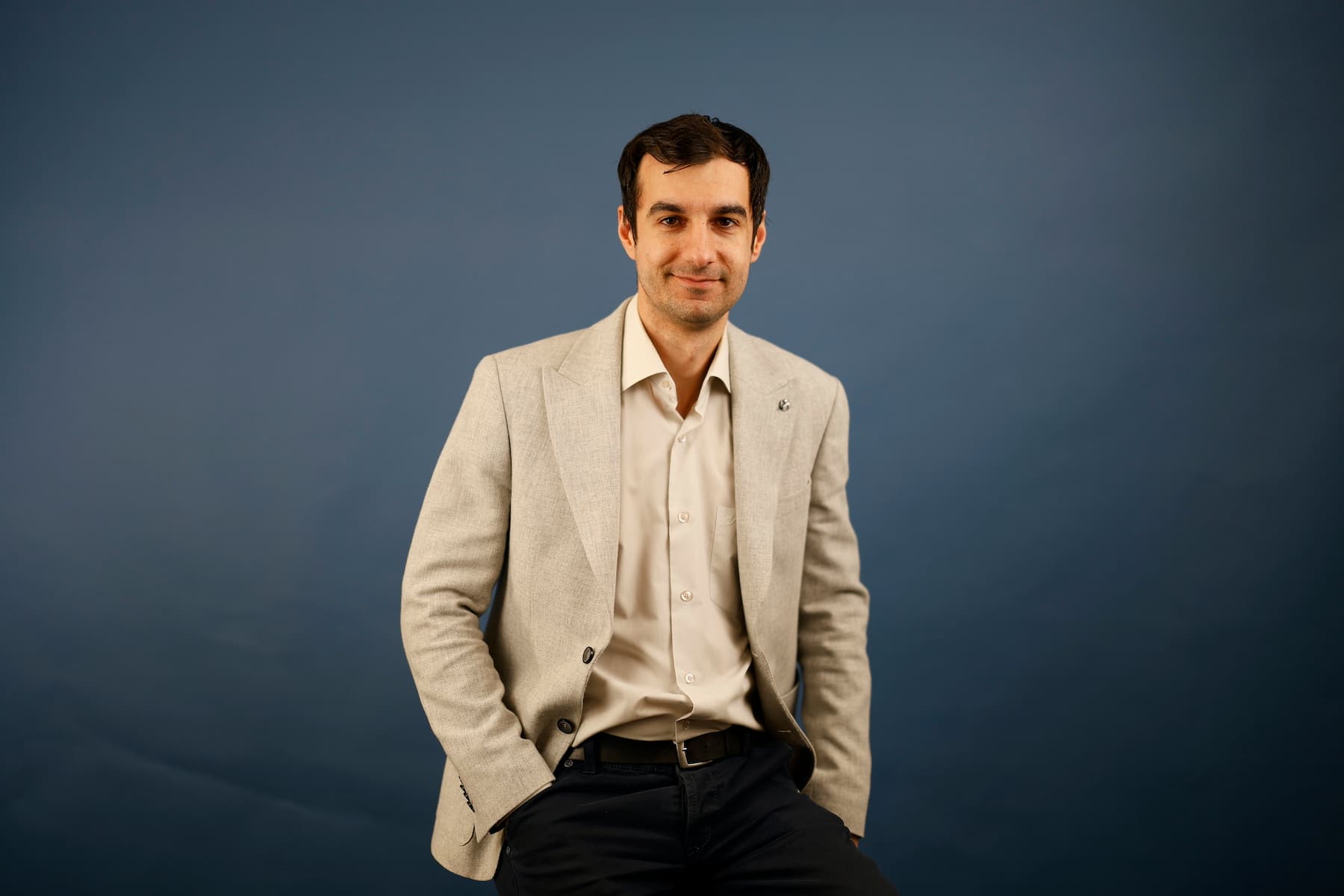
Gabriel Tironeac, VP of Innovation, ASSIST Software: AI and robotics only deliver value when built around the client
As artificial intelligence and robotics become part of everyday business, the real challenge is no longer whether the technology works, but how it can actually help people do their jobs better or develop their businesses. For Romanian tech company ASSIST Software, that question sits at the center of its every project.
In this interview, Gabriel Tironeac, Vice President of Innovation at Assist Software, explains how the company focuses less on flashy demos and more on solving real problems. “We act as the bridge between complex technology and real-world needs,” he says.
Instead of pushing standard AI or robotics solutions, ASSIST builds custom systems that fit the realities of each client, especially in industries like manufacturing, where equipment, safety rules, and workflows cannot simply be replaced overnight.
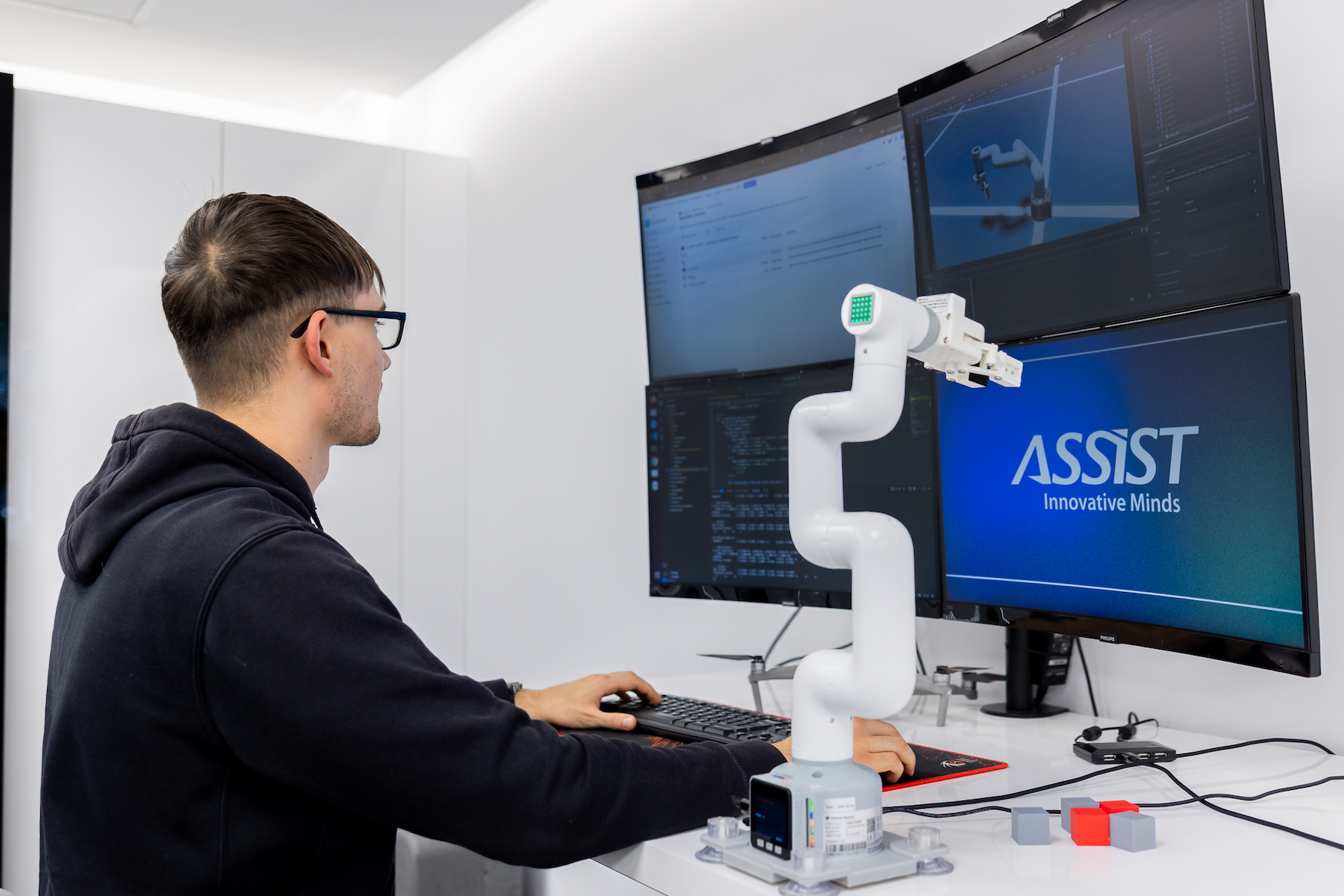
Another key theme for the company is collaboration. That means collaboration between software and hardware, between humans and robots, and between ASSIST and its clients. Tironeac points out that successful AI projects require flexibility, patience, and a deep understanding of constraints. This is also why the company invests heavily in tools such as digital twins and edge AI, which enable teams to test ideas safely before bringing them into the physical world.
Looking ahead, Tironeac believes the future lies in robots that can better understand human intent and work alongside people more naturally. For ASSIST, progress in AI is not about hype, but about making advanced technology useful, reliable, and accessible.
Read the full interview below:
How would you describe ASSIST Software’s work in AI and robotics to someone outside the tech industry?
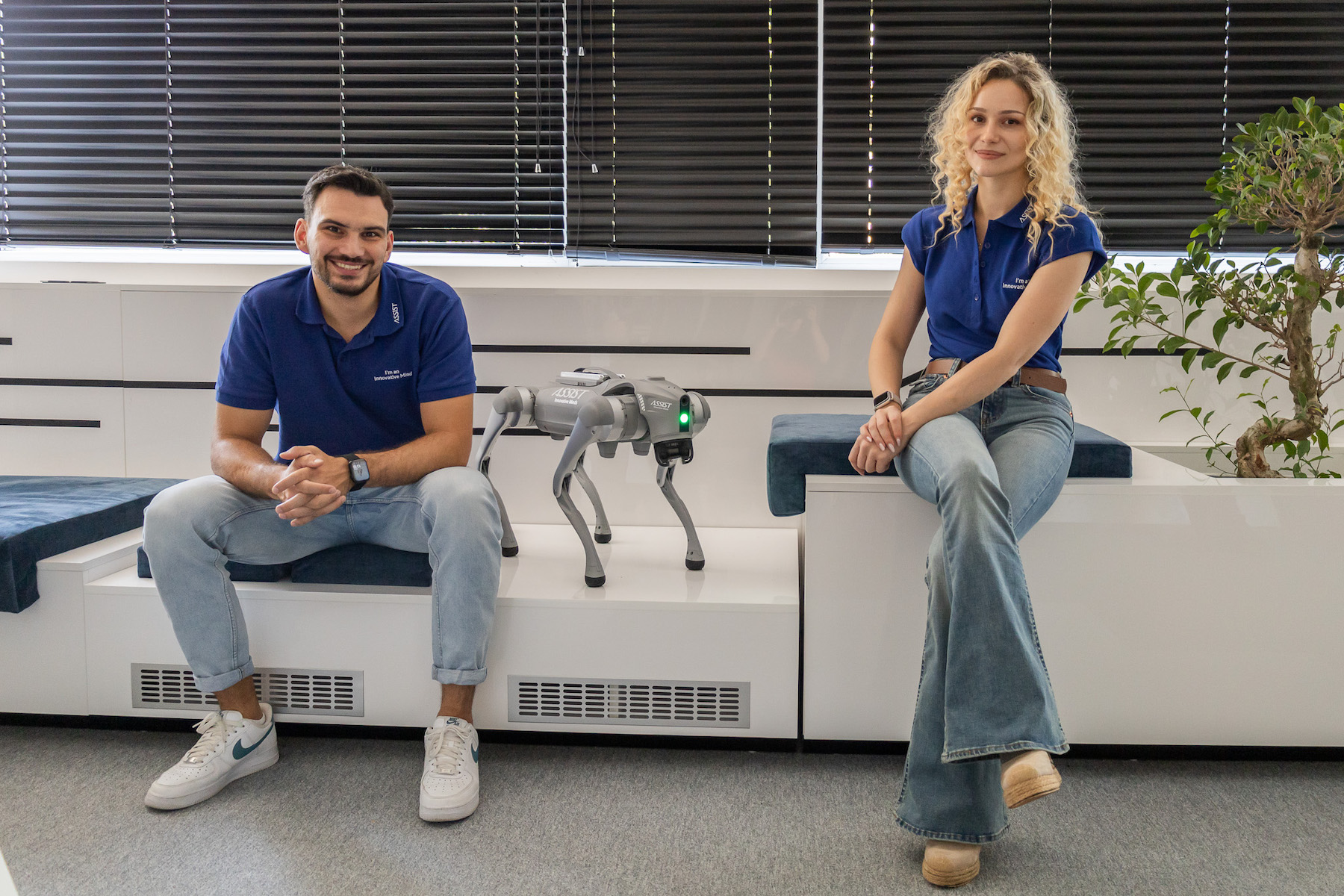
Gabriel Tironeac: We act as the bridge between complex technology and real-world needs. When discussing AI and robotics, we tackle two key aspects. Regarding AI, while there is clearly great potential, the industry often focuses too much on flashy technology rather than specific business needs. We aim for the latter. Regarding robotics, our goal is to ensure we provide reliable tools, powered by custom software, that solve actual operational challenges for our clients
What are some of the most interesting AI or robotics projects your team has worked on recently?
Gabriel Tironeac: Highly interesting and, of course, challenging projects involve training and deploying AI models on a diverse set of hardware that can interact with the physical world and collaborate in resolving complex tasks. A paradigm shift occurs when this kind of technology transitions from the digital world to the real one. Additionally, the interdisciplinary requirements for team composition are more pronounced when working with AI and robotics than in projects where the line between software and hardware is more clearly defined.

How do you turn early-stage ideas into simulations and then into real-world robotic systems?
Gabriel Tironeac: There are two critical aspects of our development philosophy that are embedded in our DNA. The first is that we are client-centric; the solutions we provide must fit our clients' specific needs, transcending standard business KPIs. This is especially critical for industrial clients, where you cannot simply “one-click install” new production lines to fit a software solution. This is where our second key feature comes into play: the ability to innovate and be flexible throughout the development process. From the initial idea to final deployment, we never lose sight of our true compass: the client's needs and, even more importantly, their constraints.
Which industries do you think will benefit the most from robotics and AI in the near future?
Gabriel Tironeac: That is a truly interesting question, which I would like to address in two parts. First, I don't believe any industry remains untouched by the rapid development and integration of AI systems into their processes and hardware. From healthcare to manufacturing, the impact is undeniable. However, we must not shoehorn generic solutions into these sectors. Instead of trying to force an industry to fit an AI solution, we must build custom tools that augment specific industries. The goal should be creating valuable synergies that lead to genuine progress. Second, I believe that new and emerging industries will benefit the most, not only those currently focused on managing, securing, and scaling AI ecosystems.
What are the biggest challenges your team faces when developing for the manufacturing industry?
Gabriel Tironeac: There is no shortage of challenges, but at the same time, there are many opportunities. One key challenge is developing software solutions that augment and enhance current equipment’s performance and capabilities, ultimately extending its lifecycle. To do this, we need a very good understanding of the hardware and strong collaboration with our partners. Second, but of even higher importance, is security compliance, specifically regarding cybersecurity, autonomy thresholds, and risk mapping for human-robot collaboration. As mentioned before, there is a complete shift in perspective when the digital and physical worlds converge.
From your perspective, what does the future of human-robot collaboration look like, and how is ASSIST shaping that through its R&D work?
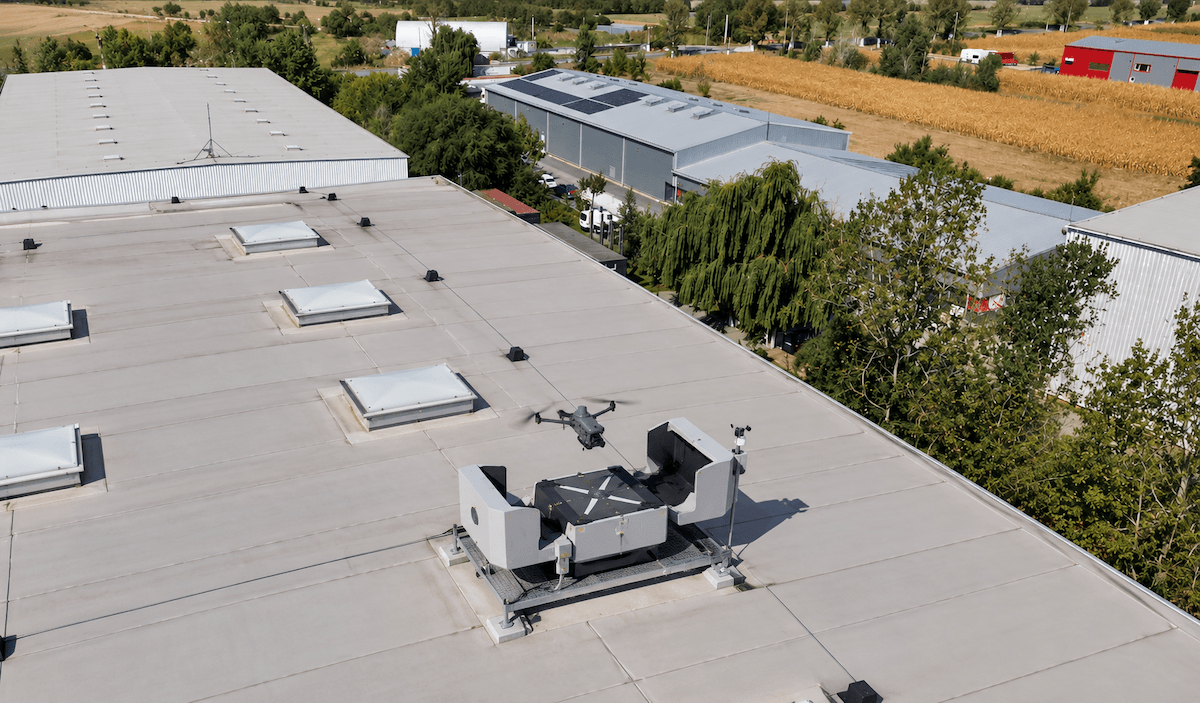
Gabriel Tironeac: Human-robot collaboration takes many forms or, better said, levels of interaction. Currently, most collaborative industrial applications involve sequential collaboration (level 3), where the robot and the human share the same workspace. The future, with full and responsive collaboration (level 5), is already at our doorstep, and there are existing applications that incorporate aspects of this level of collaboration. If we want to discuss the end goal (at least as we understand it today), it would be truly cognitively collaborative robots that are able to understand our intent and adapt their behaviour to it. Regarding our R&D work we branch into three verticals: computer vision (with a strong focus on high-performance edge deployment and sensor fusion), physical AI (where we target collaborative models), and digital twins with the capability to generate large, high-quality amounts of synthetic data for training and fine-tuning.

What new technologies or breakthroughs in AI and robotics excite you the most right now?
Gabriel Tironeac: This question could easily generate a multi-page answer, and given the speed at which technology evolves, I suspect my response will be obsolete fairly soon. Nevertheless, what currently excites me are the new foundation models, such as “liquid AI”, that target edge hardware. Extremely efficient and designed for real-world deployment, they will pave the way for how, and more interestingly, where we see robotics become part of our daily lives. My personal view is that we are at the early stages of adoption and the “democratization” of robotics for a larger audience.
Where do you see ASSIST’s robotics and AI efforts heading over the next few years?
Gabriel Tironeac: I think I’ve covered quite a bit regarding our direction, strategic verticals, and spearhead R&D topics. Nevertheless, if we discuss our vision for the next few years, I see a stronger focus on building and integrating custom hardware as part of the entire development pipeline. This aligns with our partnership approach, where having domain-driven experience and deep understanding is critical to being a true partner. Regarding AI efforts, we clearly understand that there are two sides to the same coin: high-quality tailored solutions and efficiency in delivery. To address this, we are working on creating 'building blocks' that we will use to achieve these goals.
What should someone know before starting a robotics or AI project with ASSIST? What would the collaboration look like?
Gabriel Tironeac: A keyword that came up quite a bit in this interview was collaboration. We see it as the pillar of our relationship with our customers. This translates into putting the user first, not the technology. It sounds easy at a theoretical level, but it implies not taking the 'easy approach.' It requires truly understanding the needs and wants of the user and being willing to be challenged along the way. Regarding our expertise and quality standards, I prefer to let our success stories and clients speak for themselves.
---
*This interview was edited by Romania Insider for ASSIST Software.