Romanian Environment Ministry says 90% of “fish ponds” permits used to extract gravel
Only around 10% of the 1,200 fish ponds approved in Romania over the past ten years have actually been built, according to a report released by the Ministry of Environment, pointing to what officials describe as a widespread scheme to…
iulian ernst · Journalist
· Updated · 2 min read

Only around 10% of the 1,200 fish ponds approved in Romania over the past ten years have actually been built, according to a report released by the Ministry of Environment, pointing to what officials describe as a widespread scheme to extract mineral aggregates under the guise of aquaculture projects.
The permits were frequently obtained by construction companies, often near major building sites - a pattern that, according to the ministry, leaves little doubt about the real purpose behind many of the authorisations.
Romania has become “the paradise of fish ponds on paper,” but in reality “the paradise of craters,” environment minister Diana Buzoianu said on February 20, presenting the findings of the report titled The Great Fish Illusion.
Official data show that approximately 1,200 water management permits for fish pond development were issued over the past decade. Yet only 102 projects - less than 10% - were completed and exist in reality.
“When 1,200 ponds are created on paper, but in practice only 10% are completed, it means that the aggregates have been extracted, but they have not been made safe, and environmental measures have not been implemented,” the minister explained.
According to the report, 746 of the approved projects effectively operated as aggregate extraction sites. The officially declared volume of material extracted through these “fish pond” projects over the past decade amounts to around 230 million cubic metres.
However, field inspections suggest that actual extraction volumes may be significantly higher. In several cases, the excavations reportedly exceeded the authorised perimeters, raising concerns over environmental damage and the lack of site rehabilitation.
The ministry signalled that further controls and possible legislative changes may follow, as authorities seek to curb what it describes as a systematic misuse of environmental permitting procedures.
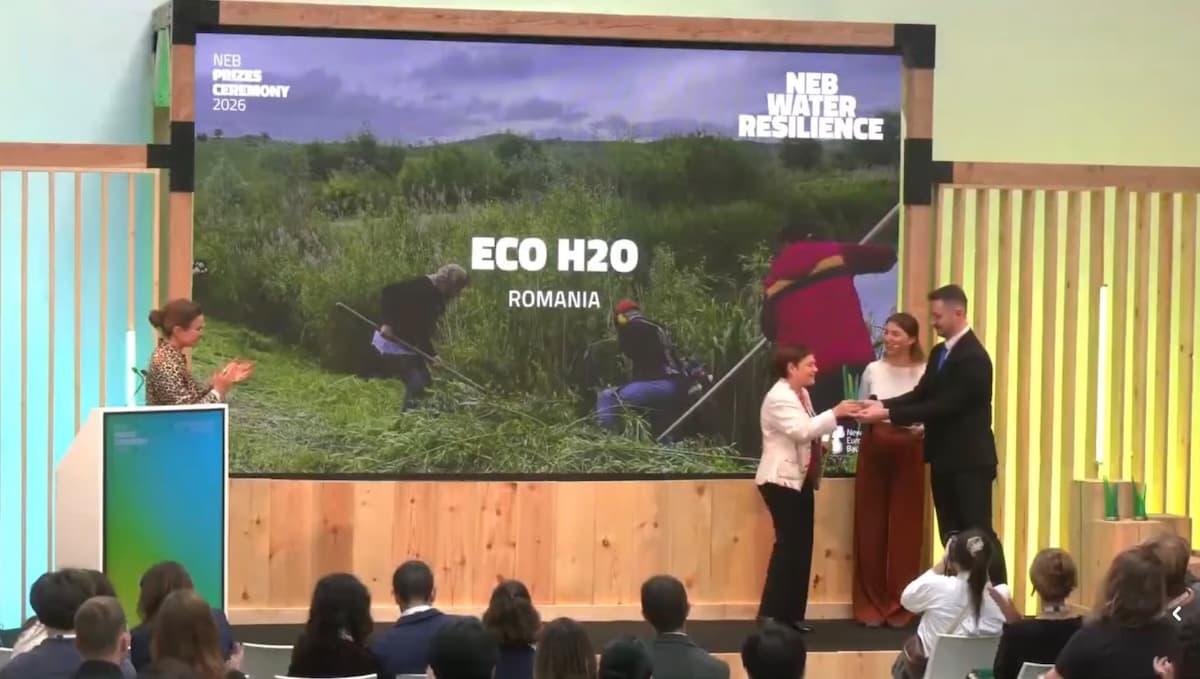
(Photo source: Facebook/Diana Buzoianu)
Free newsletters
Romania, in your inbox before your first coffee.
Get the Daily — the morning briefing, free, in English, unsubscribe anytime. Want business, real estate or travel digests too? Pick your newsletters →