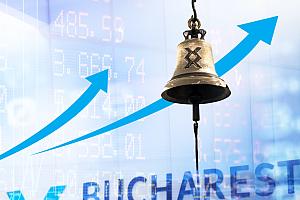
Bucharest Stock Exchange sees historic high in the number of investors

09 March 2026

The Bucharest Stock Exchange registered a new historic high in the number of investors, following a remarkable 2025 for the capital market, according to a press release.

Official data showed that at the end of last year, the number of investors reached 285,582, up 26% compared to 2024. Forecasts indicate that in the first half of 2026, the threshold of 300,000 investors will be surpassed.

“This development comes in a favorable context: the BET index ended 2025 with a record return of over 50%, including dividends (BET-TR), one of the highest in recent years, supported by the performance of listed companies, attractive dividends, and increased investor interest,” said Ion Soltinschi, financial analyst at Mrfinance.ro.

“It is important to mention that a significant portion of the new investors hold exclusively government bonds, without exposure to stocks or ETFs. Market data show that approximately one-third of active accounts are primarily dedicated to low-risk instruments, such as Fidelis,” he added.

The structure shows that Romania’s investors have a moderate risk appetite. Government bonds are perceived as safe and predictable investments, offering stability and a lower level of risk compared to the stock market.

Another important factor is fear of volatility. Even during periods when the stock market performs well, daily price fluctuations can discourage novice investors. For those unfamiliar with the dynamics of the capital market, these movements can create a sense of uncertainty and reinforce the preference for financial instruments considered more stable.

Added to this is the lack of a deep understanding of stock market products. Many investors do not know the differences between stocks, ETFs, or investment funds and are not familiar with how these instruments can contribute to portfolio diversification and achieving better long-term returns.

Starting in March 2026, individual investors can benefit from a fiscal incentive of up to RON 2,000 (EUR 400) annually by deducting this amount from the taxable base if they invest in financial instruments listed on the stock exchange. “With a 10% income tax, the real advantage is about RON 200 (EUR 40) per year,” explained Ion Soltinschi.

Although fear of investment still persists, an often overlooked fact is that all Romanians contributing to Pillar II or Pillar III pension funds are already investing in the stock market indirectly. Private pension funds allocate a significant portion of their assets to stocks listed on the Bucharest Stock Exchange and government bonds. Moreover, private pension funds are the largest investors at BVB. As such, millions of Romanians are already exposed to the capital market, even if they do not directly hold a trading account. This reality shows that stock market investments are not a phenomenon to be ignored.

Even though the number of investors has reached a historic record, it still represents a small percentage of Romania’s active population. Compared to other European countries, stock market participation remains low. As the number of investors grows, both the liquidity of the Stock Exchange and potential returns are expected to evolve positively.

radu@romania-insider.com

(Photo source: BVB photo)

Normal

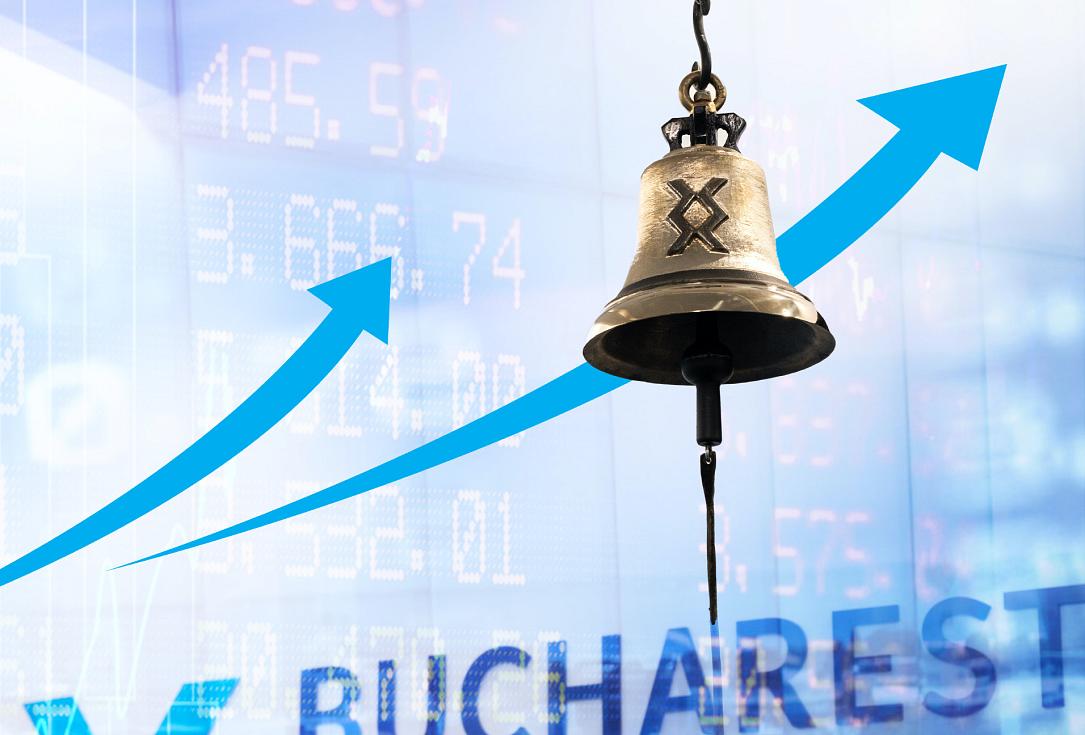
Bucharest Stock Exchange sees historic high in the number of investors
09 March 2026

The Bucharest Stock Exchange registered a new historic high in the number of investors, following a remarkable 2025 for the capital market, according to a press release.

Official data showed that at the end of last year, the number of investors reached 285,582, up 26% compared to 2024. Forecasts indicate that in the first half of 2026, the threshold of 300,000 investors will be surpassed.

“This development comes in a favorable context: the BET index ended 2025 with a record return of over 50%, including dividends (BET-TR), one of the highest in recent years, supported by the performance of listed companies, attractive dividends, and increased investor interest,” said Ion Soltinschi, financial analyst at Mrfinance.ro.

“It is important to mention that a significant portion of the new investors hold exclusively government bonds, without exposure to stocks or ETFs. Market data show that approximately one-third of active accounts are primarily dedicated to low-risk instruments, such as Fidelis,” he added.

The structure shows that Romania’s investors have a moderate risk appetite. Government bonds are perceived as safe and predictable investments, offering stability and a lower level of risk compared to the stock market.

Another important factor is fear of volatility. Even during periods when the stock market performs well, daily price fluctuations can discourage novice investors. For those unfamiliar with the dynamics of the capital market, these movements can create a sense of uncertainty and reinforce the preference for financial instruments considered more stable.

Added to this is the lack of a deep understanding of stock market products. Many investors do not know the differences between stocks, ETFs, or investment funds and are not familiar with how these instruments can contribute to portfolio diversification and achieving better long-term returns.

Starting in March 2026, individual investors can benefit from a fiscal incentive of up to RON 2,000 (EUR 400) annually by deducting this amount from the taxable base if they invest in financial instruments listed on the stock exchange. “With a 10% income tax, the real advantage is about RON 200 (EUR 40) per year,” explained Ion Soltinschi.

Although fear of investment still persists, an often overlooked fact is that all Romanians contributing to Pillar II or Pillar III pension funds are already investing in the stock market indirectly. Private pension funds allocate a significant portion of their assets to stocks listed on the Bucharest Stock Exchange and government bonds. Moreover, private pension funds are the largest investors at BVB. As such, millions of Romanians are already exposed to the capital market, even if they do not directly hold a trading account. This reality shows that stock market investments are not a phenomenon to be ignored.

Even though the number of investors has reached a historic record, it still represents a small percentage of Romania’s active population. Compared to other European countries, stock market participation remains low. As the number of investors grows, both the liquidity of the Stock Exchange and potential returns are expected to evolve positively.

radu@romania-insider.com

(Photo source: BVB photo)

Normal

Romania Insider Free Newsletters