Romania's PM Bolojan expects public administration reform this month, 2026 budget in February  

08 January 2026

The public administration reform will be legislated within two weeks, in the second half of January, according to prime minister Ilie Bolojan. The government will approve the 2026 budget in February, after talks begin next week (starting January 12), he added, speaking in an interview with Digi24.

The government expects to report a budget deficit of 8.4% of GDP for 2025, and January-November execution data is supportive of such a (modest) performance, but it is supposed to deliver the 2026 budget with a deficit of 6.0%-6.5% of GDP to keep the fiscal consolidation pace agreed with the European Commission. A 2026 budget plan is needed as an input for the Winter Forecast due in February, and failure to deliver a credible draft already legislated would result in a negative outlook that would prompt concerns among rating agencies' analysts. 
Most of the experts agree that the budgetary measures already legislated would suffice for the envisaged 2026 fiscal consolidation. Wages in the budgetary sector and pensions will remain constant for the second year in a row, despite significant inflation fueled by higher electricity prices and the two percentage-point VAT rate hike in August 2025. However, some experts, including the head of the CFA Society Romania, Adrian Codîrlașu, cited by Economica, believe a further VAT rate hike might be needed later in the year to bring the public deficit below 6.5% of GDP. 

CFA head Codîrlașu points out that the property tax increases taking place from January  2026 (some 70%) will not be sufficient to reduce the budget deficit. He argues that it is very likely that, in the second half of the year, the government will enforce a new VAT hike to around 23%-24%, which would bring the rate in line with the average VAT rate in the European Union. He pointed out that in 2025 Romania already implemented several tax increases and that the trend will probably continue this year.

The public administration reform is expected to generate a budgetary impact of RON 3.5-4.5 billion (some 0.2% of GDP), according to Minister of Development Attila Cseke, who is still expected to present the final draft of the law.

The Government of Romania initiated talks on public administration reforms in August as part of the second package of budgetary measures – initially envisaging only the local administration institutions – but the ruling coalition's parties, particularly the Social Democrats (PSD), failed to agree on the deep personnel reductions required by PM Bolojan. 

After prolonged negotiations, the coalition announced in early November a final agreement on a formula to include the central administration institutions as well, according to StirileProTv. But more than a month later, before Christmas, the final text of the public administration reform had not yet been drafted.

A 30% overall reduction in the posts (including vacancies) resulting into a 10% overall reduction of actual employment was also agreed for for each of the local administration bodies (village, town or city halls)  – but they will be given a one-year transition period, spanning through 2026, to defer the actual personnel reduction but achieve an equivalent decrease in personnel expenses. Central public administration bodies, such as ministries, will have to reduce personnel expenditures by 10%.

(Photo: Gov.ro)

iulian@romania-insider.com

Normal

Romania's PM Bolojan expects public administration reform this month, 2026 budget in February  

08 January 2026

The public administration reform will be legislated within two weeks, in the second half of January, according to prime minister Ilie Bolojan. The government will approve the 2026 budget in February, after talks begin next week (starting January 12), he added, speaking in an interview with Digi24.

The government expects to report a budget deficit of 8.4% of GDP for 2025, and January-November execution data is supportive of such a (modest) performance, but it is supposed to deliver the 2026 budget with a deficit of 6.0%-6.5% of GDP to keep the fiscal consolidation pace agreed with the European Commission. A 2026 budget plan is needed as an input for the Winter Forecast due in February, and failure to deliver a credible draft already legislated would result in a negative outlook that would prompt concerns among rating agencies' analysts. 
Most of the experts agree that the budgetary measures already legislated would suffice for the envisaged 2026 fiscal consolidation. Wages in the budgetary sector and pensions will remain constant for the second year in a row, despite significant inflation fueled by higher electricity prices and the two percentage-point VAT rate hike in August 2025. However, some experts, including the head of the CFA Society Romania, Adrian Codîrlașu, cited by Economica, believe a further VAT rate hike might be needed later in the year to bring the public deficit below 6.5% of GDP. 

CFA head Codîrlașu points out that the property tax increases taking place from January  2026 (some 70%) will not be sufficient to reduce the budget deficit. He argues that it is very likely that, in the second half of the year, the government will enforce a new VAT hike to around 23%-24%, which would bring the rate in line with the average VAT rate in the European Union. He pointed out that in 2025 Romania already implemented several tax increases and that the trend will probably continue this year.

The public administration reform is expected to generate a budgetary impact of RON 3.5-4.5 billion (some 0.2% of GDP), according to Minister of Development Attila Cseke, who is still expected to present the final draft of the law.

The Government of Romania initiated talks on public administration reforms in August as part of the second package of budgetary measures – initially envisaging only the local administration institutions – but the ruling coalition's parties, particularly the Social Democrats (PSD), failed to agree on the deep personnel reductions required by PM Bolojan. 

After prolonged negotiations, the coalition announced in early November a final agreement on a formula to include the central administration institutions as well, according to StirileProTv. But more than a month later, before Christmas, the final text of the public administration reform had not yet been drafted.

A 30% overall reduction in the posts (including vacancies) resulting into a 10% overall reduction of actual employment was also agreed for for each of the local administration bodies (village, town or city halls)  – but they will be given a one-year transition period, spanning through 2026, to defer the actual personnel reduction but achieve an equivalent decrease in personnel expenses. Central public administration bodies, such as ministries, will have to reduce personnel expenditures by 10%.

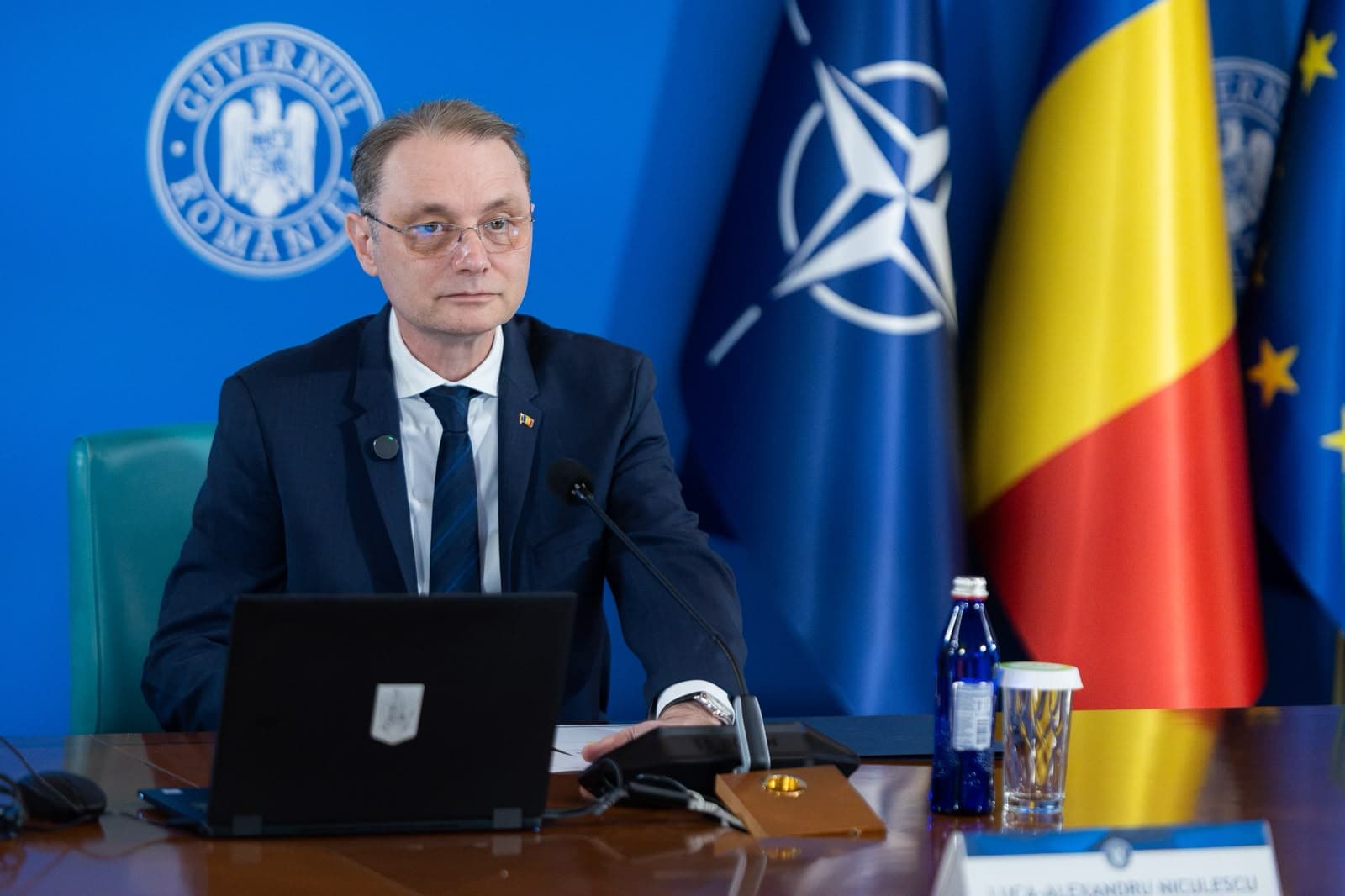
(Photo: Gov.ro)

iulian@romania-insider.com

Normal

Romania Insider Free Newsletters