Romania keeps monetary policy at 6.5% amid multiple sources of uncertainty
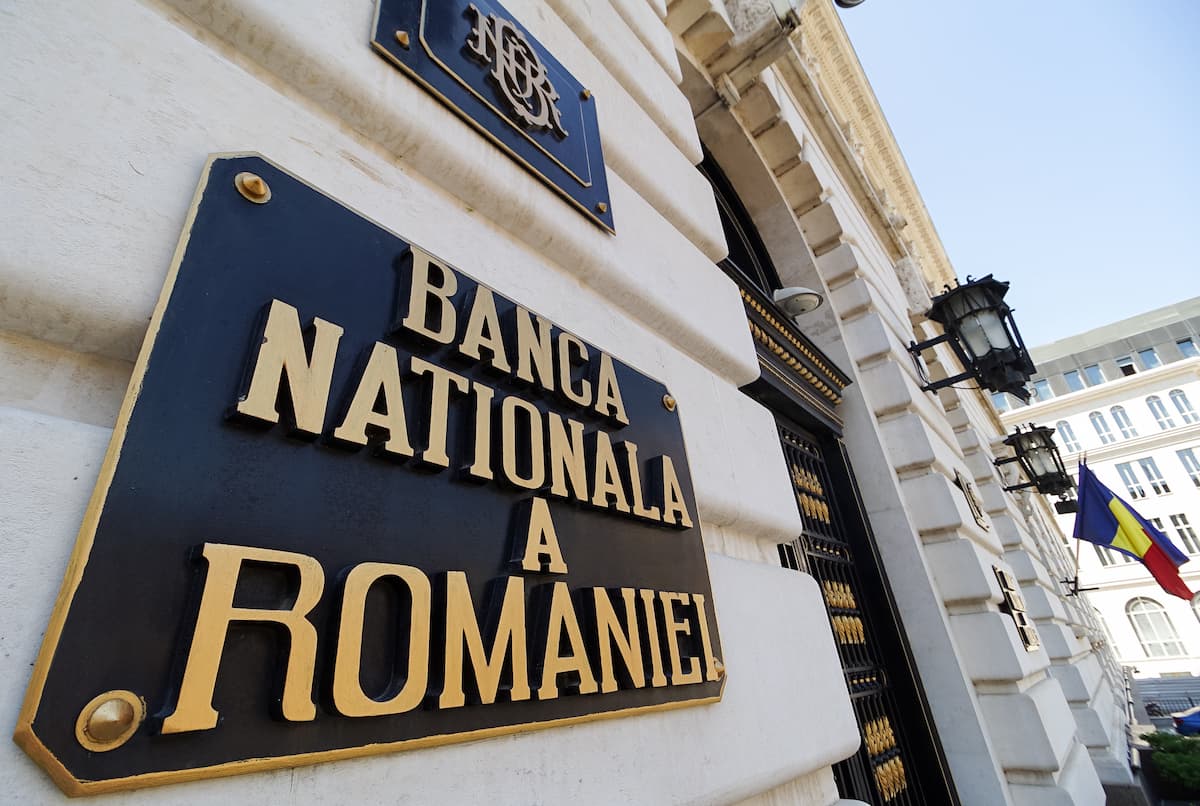
The National Bank of Romania (BNR) at its May 15 board meeting kept the policy rate at 6.5%, which did not surprise analysts, who are predicting a rate cut no sooner than 2027, a monetary authority’s release reads. BNR reiterated its expectations for a substantial downward correction of the headline inflation in 2026 Q3, generated by base effects and the strengthening of disinflationary pressures, particularly from the aggregate demand deficit – but a detailed updated Inflation Report will be released on May 19.
BNR cited inflation rising above expectations in Q2 due to Middle East-related effects and internal factors, such as the hike in regulated rent prices for state-owned housing units.

Besides the steep disinflation expected in Q3, shaped by base effects of electricity price liberalisation and VAT rate hike last year, the monetary authority cited inflationary pressures likely to manifest after mid-year: the natural gas liberalisation for non-residential users (April 1) and the expiry of the food price capping mechanism (July 1). BNR’s year-end inflation forecast issued in February was 3.9% y/y, but updated projections from independent analysts (Erste Group) indicated values as high as 5.9% y/y that will probably be confirmed by the central bank’s May 19 Inflation Report, shedding a different light on the expectations for a future rate cut.
Also relevant for the expected monetary conduct, BNR named relevant internal and external sources of uncertainty. Firstly, the current domestic political environment, with potential future measures to continue budget consolidation beyond this year, in line with the National Medium-Term Fiscal-Structural Plan agreed with the European Commission and with the excessive deficit procedure.
High uncertainties and risks to the outlook for economic activity, implicitly the medium-term inflation developments (hence the optimal monetary conduct), arise also from the Middle East conflict and the global energy crisis, via the effects potentially exerted, through several channels, on consumer purchasing power, as well as on firms’ activity and profits, inter alia by affecting the dynamics of economies and inflation in Europe/worldwide and the risk perception towards the region, with an impact on financing costs, according to BNR.
The absorption and use of EU funds to the maximum, especially those under the RRF/PNRR, are essential for partly counterbalancing the contractionary effects of budget consolidation and of the Middle East conflict, as well as for carrying out the necessary structural reforms, energy transition included, BNR stated – indicating another element to be evaluated when deciding further monetary decisions.
The ECB’s and the Fed’s monetary policy decisions, as well as the stance of central banks in the region, are also relevant, Romania’s monetary authority concluded.
iulian@romania-insider.com
(Photo source: Lcva/Dreamstime.com)