Romania’s long-distance trail Via Transilvanica adds first accommodation module for hikers, more to follow
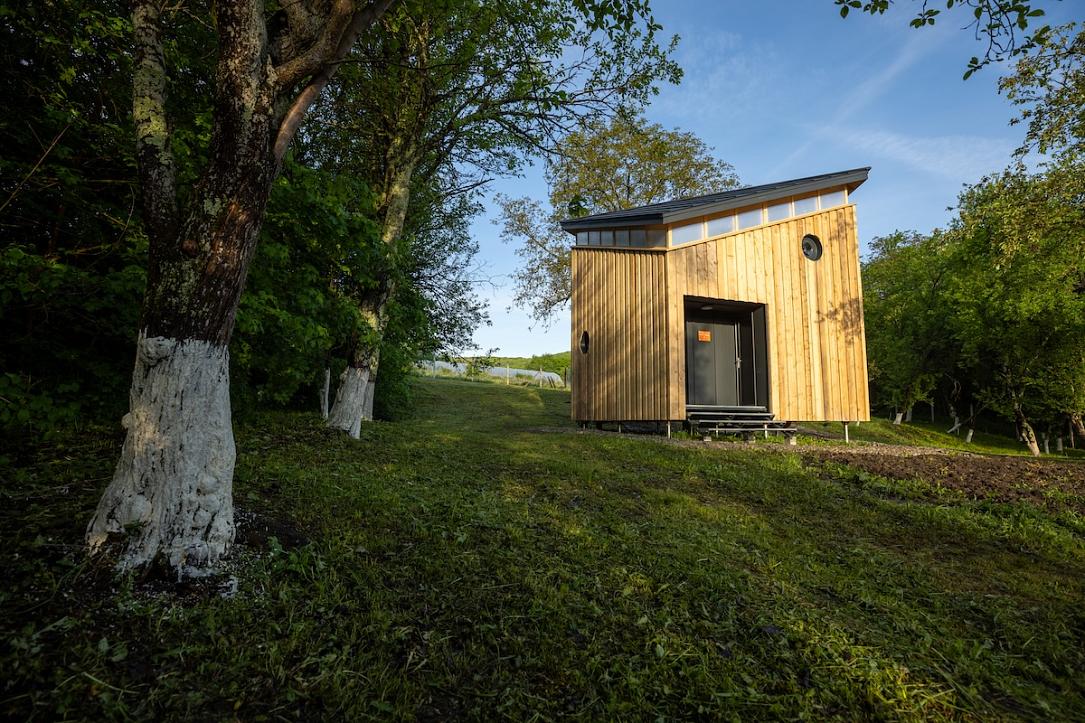
Tășuleasa Social Association announced the inauguration of the first accommodation module on the Via Transilvanica hiking route, marking a new step in the development of tourism infrastructure along Romania’s famous long-distance trail. The modular lodging unit was opened in the village of Șapartoc, in Mureș County, and is designed as a model for sustainable rural hospitality and local social entrepreneurship.
The project aims to provide accommodation solutions in remote areas where tourist infrastructure is limited and local communities are small or aging, representatives said.
The Șapartoc module is the first installation of a broader initiative through which Tășuleasa Social Association plans to develop hundreds of similar accommodation spaces along the Via Transilvanica route in the coming years.
The accommodation module was installed in the courtyard of the Moldovan family, long-time hosts for hikers traveling the trail. The village of Șapartoc has only 24 residents, and representatives said the project is intended to help stimulate local development while offering safe and affordable lodging for travelers.
Alin Uhlmann Ușeriu, the president of Tășuleasa Social Association, said the organization wants Via Transilvanica to develop its own hospitality network similar to those found on major international hiking routes.
“As the project becomes increasingly known within the global hiking community, the accommodation infrastructure must keep pace,” Ușeriu said. “In the long term, we want Romania to become a destination for young people seeking self-discovery, transforming this trail into a meaningful journey of identity, and for that, we need safe and accessible places to rest along the route.”
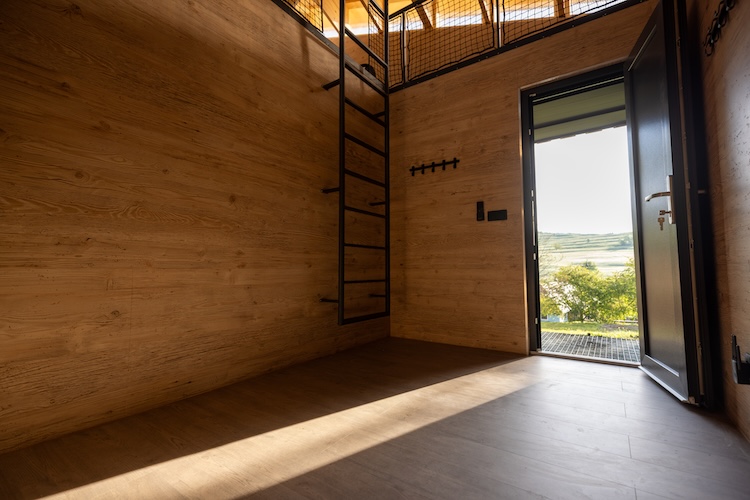
The newly inaugurated module includes eight accommodation places, storage space for equipment, toilets, and showers. Its modular design allows it to be adapted to different terrains and infrastructure conditions along the trail.
The project was supported by E-INFRA, which contributed to the development of the first accommodation module as part of its partnership with Via Transilvanica.
Developed by Tășuleasa Social Association, Via Transilvanica stretches around 1,400 kilometers across Romania, from Putna to Drobeta-Turnu Severin, crossing eight historical regions, 10 counties, and 12 UNESCO heritage sites. The route was officially inaugurated in 2022 after more than four years of work and continues to expand into new regions of the country.
irina.marica@romania-insider.com
(Photos: Tășuleasa Social Association)