

Deloitte: Romanian real estate developers most concerned with construction costs, acquisitions

23 March 2026

Construction costs and plot acquisition for future developments are the main concerns of real estate developers in Central Europe in 2026 (27% and 25% respectively), surpassing labor costs and availability, which were the dominant challenges a year ago (19% compared to 26% in 2025), according to the Deloitte 2026 Real Estate Confidence Survey for Central Europe, conducted in several countries in the region, including Romania. 

On the other hand, issues related to project financing, which represented a major concern to most real estate developers two or three years ago, are now mentioned by only 6% of the participants in the study, confirming improved access to capital and more stable financial markets.
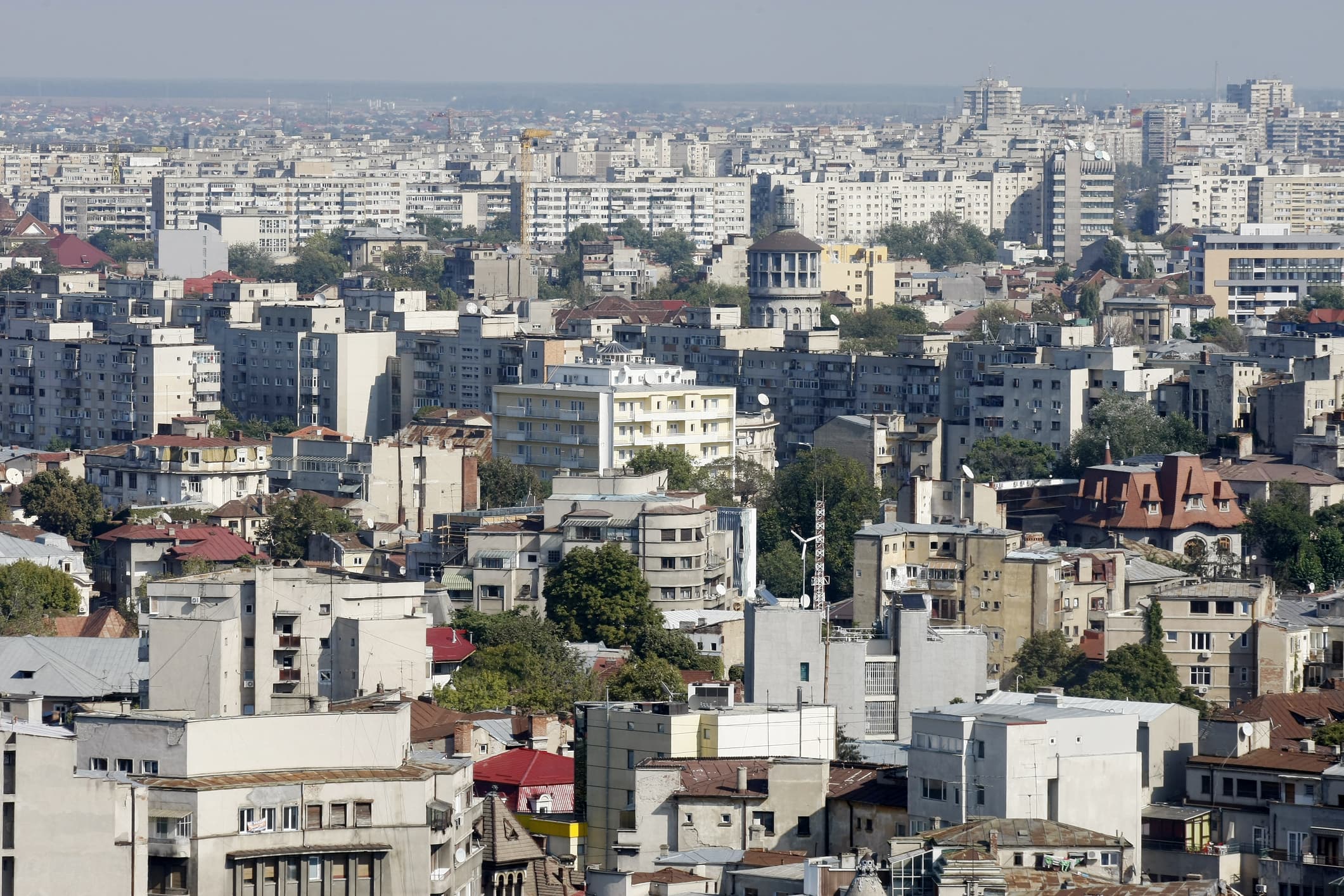

This year’s edition of the study indicates balanced expectations regarding the market activity. Roughly 54% estimate that activity will remain the same in 2026, while more than a third (35%) expect an improvement.

Real estate developers in Poland are the most optimistic. Around 67% foresee an increase in market activity, while those in the Czech Republic and Romania are more cautious (38% and 29% respectively) and expect market activity to improve.

In contrast, the share of participants anticipating an increase in the value of real estate transactions in the near future has fallen below 50% (from almost 60% a year ago). The level of optimism ranges from 53% in Poland to 29% in Romania (both up compared to 2025).

The residential sector is, for the second year in a row, perceived as the most competitive by many study participants (22%, but down from 36% a year ago), while interest in residential for rent projects has doubled (from 9% in 2025 to 18% this year). A promising sector appears to be data centers, indicated by 13% of participants as the most competitive, on a par with the industrial and retail sectors, both up from last year.

Over the next five years, green energy infrastructure is perceived as the most dynamic sector, leading both in the region (66%) and in the main countries participating in the study - Romania (81%), the Czech Republic (72%), and Poland (61%). Data centers (34%) and healthcare (26%) are next.

The perception of the economic climate also indicates stability in the coming period (almost 60% of participants expect it to remain unchanged, while only 13% anticipate a deterioration). In Romania, the sentiment is more balanced than a year ago. Around 24% of participants estimate the economic climate to improve (compared to 14% in 2025), and 38% have negative expectations (compared to 57% last year). 

The fiscal framework will remain stable in the near future in the region, according to 73% of participants, while the majority of those in Romania (71%) expect a tightening of the tax regime. 

“For Romania, we note an improved perception regarding the economic climate compared to last year, probably due to the prospects for adjusting macroeconomic imbalances and, consequently, the expectations regarding market activity and the value of real estate transactions. On the other hand, companies operating in Romania face both challenges specific to the region (rising construction costs) and others specific to the local market, such as struggles in authorization and constantly changing legislation,” said Irina Dimitriu, Partner at Reff & Associates | Deloitte Legal and Real Estate Industry Leader at Deloitte Romania.

Deloitte has been conducting the Real Estate Confidence Survey for Central Europe since 2019 to find out how professionals in the field perceive the market. Three groups of stakeholders participate in the study, namely developers, investors, and market advisers. In the 2026 edition, the most respondents came from the Czech Republic (30%), Poland (23%), Romania (14%), Hungary (5%), while 28% operate across Central Europe markets.

radu@romania-insider.com

(Photo source: Napong Rattanaraktiya|Dreamstime.com)

Normal

Deloitte: Romanian real estate developers most concerned with construction costs, acquisitions

23 March 2026

Construction costs and plot acquisition for future developments are the main concerns of real estate developers in Central Europe in 2026 (27% and 25% respectively), surpassing labor costs and availability, which were the dominant challenges a year ago (19% compared to 26% in 2025), according to the Deloitte 2026 Real Estate Confidence Survey for Central Europe, conducted in several countries in the region, including Romania. 

On the other hand, issues related to project financing, which represented a major concern to most real estate developers two or three years ago, are now mentioned by only 6% of the participants in the study, confirming improved access to capital and more stable financial markets.
This year’s edition of the study indicates balanced expectations regarding the market activity. Roughly 54% estimate that activity will remain the same in 2026, while more than a third (35%) expect an improvement.

Real estate developers in Poland are the most optimistic. Around 67% foresee an increase in market activity, while those in the Czech Republic and Romania are more cautious (38% and 29% respectively) and expect market activity to improve.

In contrast, the share of participants anticipating an increase in the value of real estate transactions in the near future has fallen below 50% (from almost 60% a year ago). The level of optimism ranges from 53% in Poland to 29% in Romania (both up compared to 2025).

The residential sector is, for the second year in a row, perceived as the most competitive by many study participants (22%, but down from 36% a year ago), while interest in residential for rent projects has doubled (from 9% in 2025 to 18% this year). A promising sector appears to be data centers, indicated by 13% of participants as the most competitive, on a par with the industrial and retail sectors, both up from last year.

Over the next five years, green energy infrastructure is perceived as the most dynamic sector, leading both in the region (66%) and in the main countries participating in the study - Romania (81%), the Czech Republic (72%), and Poland (61%). Data centers (34%) and healthcare (26%) are next.

The perception of the economic climate also indicates stability in the coming period (almost 60% of participants expect it to remain unchanged, while only 13% anticipate a deterioration). In Romania, the sentiment is more balanced than a year ago. Around 24% of participants estimate the economic climate to improve (compared to 14% in 2025), and 38% have negative expectations (compared to 57% last year). 

The fiscal framework will remain stable in the near future in the region, according to 73% of participants, while the majority of those in Romania (71%) expect a tightening of the tax regime. 

“For Romania, we note an improved perception regarding the economic climate compared to last year, probably due to the prospects for adjusting macroeconomic imbalances and, consequently, the expectations regarding market activity and the value of real estate transactions. On the other hand, companies operating in Romania face both challenges specific to the region (rising construction costs) and others specific to the local market, such as struggles in authorization and constantly changing legislation,” said Irina Dimitriu, Partner at Reff & Associates | Deloitte Legal and Real Estate Industry Leader at Deloitte Romania.

Deloitte has been conducting the Real Estate Confidence Survey for Central Europe since 2019 to find out how professionals in the field perceive the market. Three groups of stakeholders participate in the study, namely developers, investors, and market advisers. In the 2026 edition, the most respondents came from the Czech Republic (30%), Poland (23%), Romania (14%), Hungary (5%), while 28% operate across Central Europe markets.

radu@romania-insider.com

(Photo source: Napong Rattanaraktiya|Dreamstime.com)

Normal

Romania Insider Free Newsletters