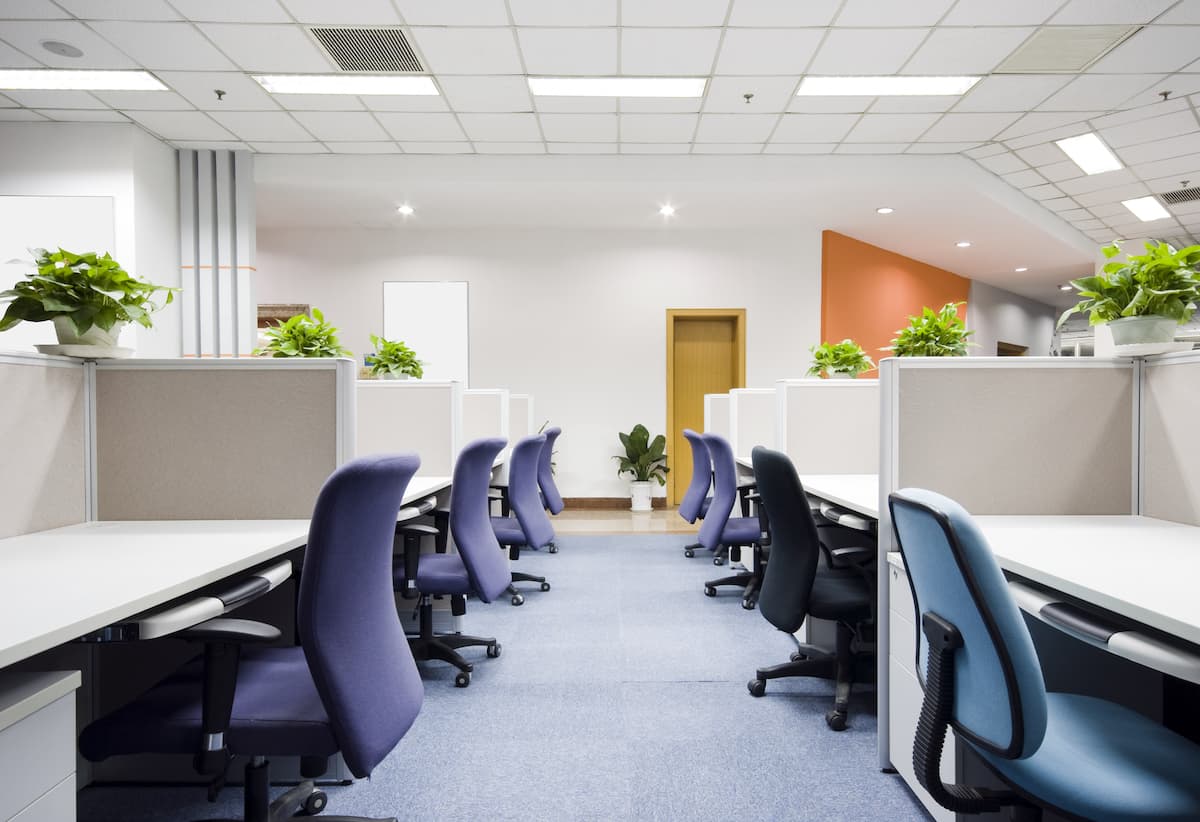
Colliers: Rising taxes, wages push office service charges higher in Romania

12 May 2026

Service charges for modern office buildings in Romania could increase by around 10% in 2026 compared to last year, according to a new analysis by Colliers. The increase is mainly driven by higher property taxes, wage growth, and inflation, while overall operating costs are now estimated to be 40%-50% higher than before the pandemic. 

The estimates are based on operating budgets prepared together with building owners for the more than 650,000 square meters of office space managed by Colliers in Romania. Utility costs are not included in the calculations, as they are usually billed separately to tenants based on consumption.
According to the report, taxes account for nearly 38% of total service charges, making them the largest cost component, followed by technical maintenance at 22%, and security and fire safety services at almost 14%.

“If we look at developments in recent years, the biggest impact on costs has come from taxes, which have generated over a third of the increases and continue to rise significantly in 2026. This is closely linked to higher construction costs, which have led to an average increase of around 30% in the taxable value of buildings following their revaluation,” said Mihai Iustin, Operational & Technical Manager and Director at Colliers. 

At the same time, costs for technical maintenance, cleaning, security, and fire safety services are now between 35% and 75% higher than in 2022, he added.

Wage growth remains another major pressure point. Romania’s gross minimum wage has doubled since 2019, directly affecting labor-intensive services, while a further wage increase of nearly 7% is expected from mid-2026.

The analysis also highlighted growing operational costs linked to the return of employees to the office. More companies are requiring staff to work on-site several days a week, increasing consumption of services and resources within buildings.

Also, waste management costs have doubled in recent years due to both increased office occupancy and stricter European recycling and waste treatment regulations, Colliers said.

Although electricity prices for corporate consumers have fallen from the peaks recorded after the outbreak of the war in Ukraine, Colliers noted they remain more than twice as high as in 2018-2019. The company also warned that recent geopolitical tensions in the Middle East could trigger renewed increases in energy prices in the medium term.

Despite these pressures, Romania remains relatively competitive within the region. According to Colliers, office service charges are still around 10% lower than in Hungary and 20% lower than in Poland, mainly due to lower labor costs.

irina.marica@romania-insider.com

(Photo source: 06photo/Dreamstime.com)

Normal

Colliers: Rising taxes, wages push office service charges higher in Romania

12 May 2026

Service charges for modern office buildings in Romania could increase by around 10% in 2026 compared to last year, according to a new analysis by Colliers. The increase is mainly driven by higher property taxes, wage growth, and inflation, while overall operating costs are now estimated to be 40%-50% higher than before the pandemic. 

The estimates are based on operating budgets prepared together with building owners for the more than 650,000 square meters of office space managed by Colliers in Romania. Utility costs are not included in the calculations, as they are usually billed separately to tenants based on consumption.

According to the report, taxes account for nearly 38% of total service charges, making them the largest cost component, followed by technical maintenance at 22%, and security and fire safety services at almost 14%.

“If we look at developments in recent years, the biggest impact on costs has come from taxes, which have generated over a third of the increases and continue to rise significantly in 2026. This is closely linked to higher construction costs, which have led to an average increase of around 30% in the taxable value of buildings following their revaluation,” said Mihai Iustin, Operational & Technical Manager and Director at Colliers. 

At the same time, costs for technical maintenance, cleaning, security, and fire safety services are now between 35% and 75% higher than in 2022, he added.

Wage growth remains another major pressure point. Romania’s gross minimum wage has doubled since 2019, directly affecting labor-intensive services, while a further wage increase of nearly 7% is expected from mid-2026.

The analysis also highlighted growing operational costs linked to the return of employees to the office. More companies are requiring staff to work on-site several days a week, increasing consumption of services and resources within buildings.

Also, waste management costs have doubled in recent years due to both increased office occupancy and stricter European recycling and waste treatment regulations, Colliers said.

Although electricity prices for corporate consumers have fallen from the peaks recorded after the outbreak of the war in Ukraine, Colliers noted they remain more than twice as high as in 2018-2019. The company also warned that recent geopolitical tensions in the Middle East could trigger renewed increases in energy prices in the medium term.

Despite these pressures, Romania remains relatively competitive within the region. According to Colliers, office service charges are still around 10% lower than in Hungary and 20% lower than in Poland, mainly due to lower labor costs.

irina.marica@romania-insider.com

(Photo source: 06photo/Dreamstime.com)

Normal

Romania Insider Free Newsletters