Romanian Senate passes far-right proposal forcing NGOs to declare all sources of funding
Earlier this week, the Romanian Senate passed a legislative proposal initiated by the far-right Alliance for the Union of Romanians (AUR) under which non-governmental organizations are required to make public all sources of funding and the identity of donors.
If the bill is adopted as law, the reports regarding an NGO’s financing would be submitted to ANAF, which would have to publish them in a dedicated section on its website. Failure to submit these declarations would trigger automatic suspension of activity and dissolution if non-compliance lasts more than one year.
Supporters - AUR, PSD
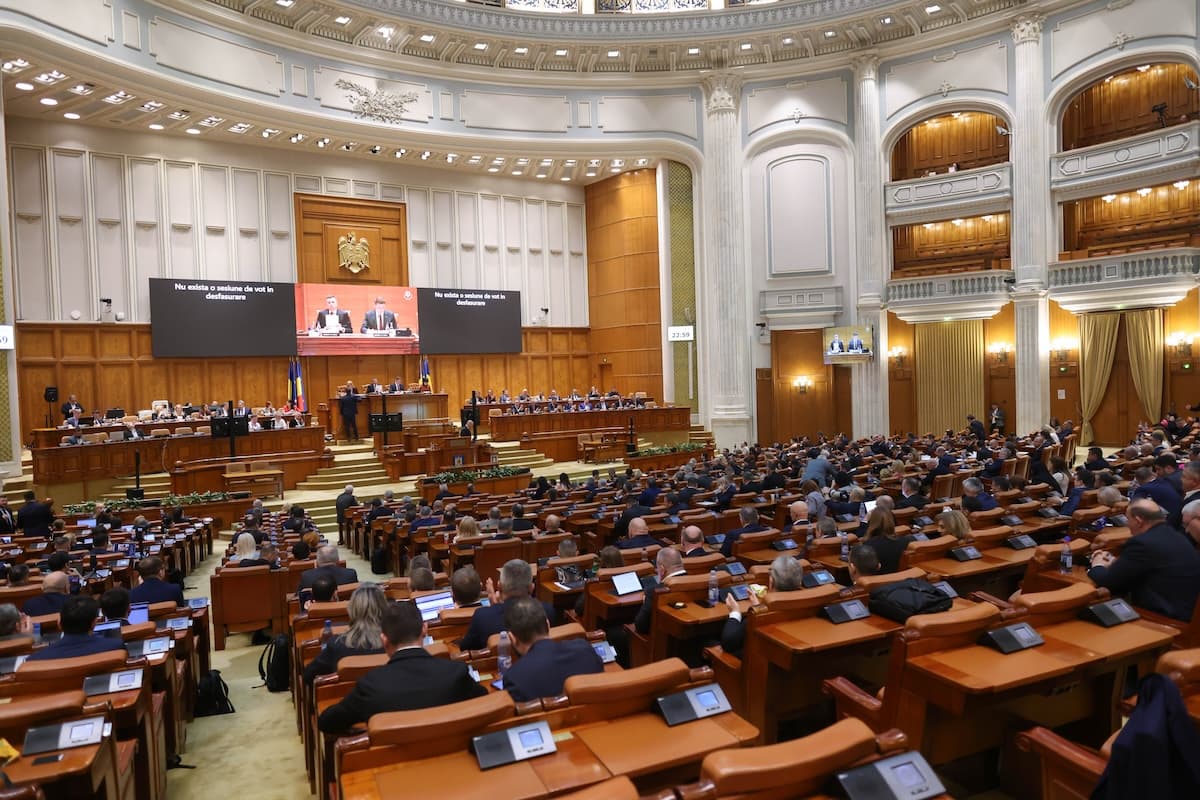
The project received a favorable opinion in the Senate Legal Committee with the support of AUR and the Social Democratic Party, or PSD. Senators in the small extremist SOS Romania Party also backed the proposal. In the end, the bill passed the Senate with 75 votes in favor, 32 against, and 4 abstentions.
During the plenary debates, AUR Senate leader Petrișor Peiu came out on the side of the bill’s supporters. He said that the project is necessary so that Romanians can find out who supported legal actions that have blocked or delayed important energy projects in Romania, such as hydroelectric plants and lignite mining operations. “Let us see who finances such lawsuits, who has an interest in us not having hydroelectric plants in Romania, who has an interest in shutting down lignite quarries in Romania. That is what this bill is about,” he said.
The only party that did not express any opinion during the plenary was PSD. However, the party’s senators voted alongside AUR in the end. The party leader, Sorin Grindeanu, later defended the law, saying that “if someone is honest, there is no reason to hide,” according to G4Media.
He also attacked opponents in USR, highlighting their reputation as champions of transparency. “As long as people donate from that 2% or 3.5%, which would normally go to the state, I consider it public money. I see no issue. What is wrong with being transparent?” Sorin Grindeanu said.
Far-right allies of the Social Democrats were more direct in their support for the initiative. “Victory in the Senate! We passed the law that provides transparency in NGO funding! Who is bothered by transparency?” said AUR leader George Simion on Facebook.
Opponents - Center-right parties, NGOs
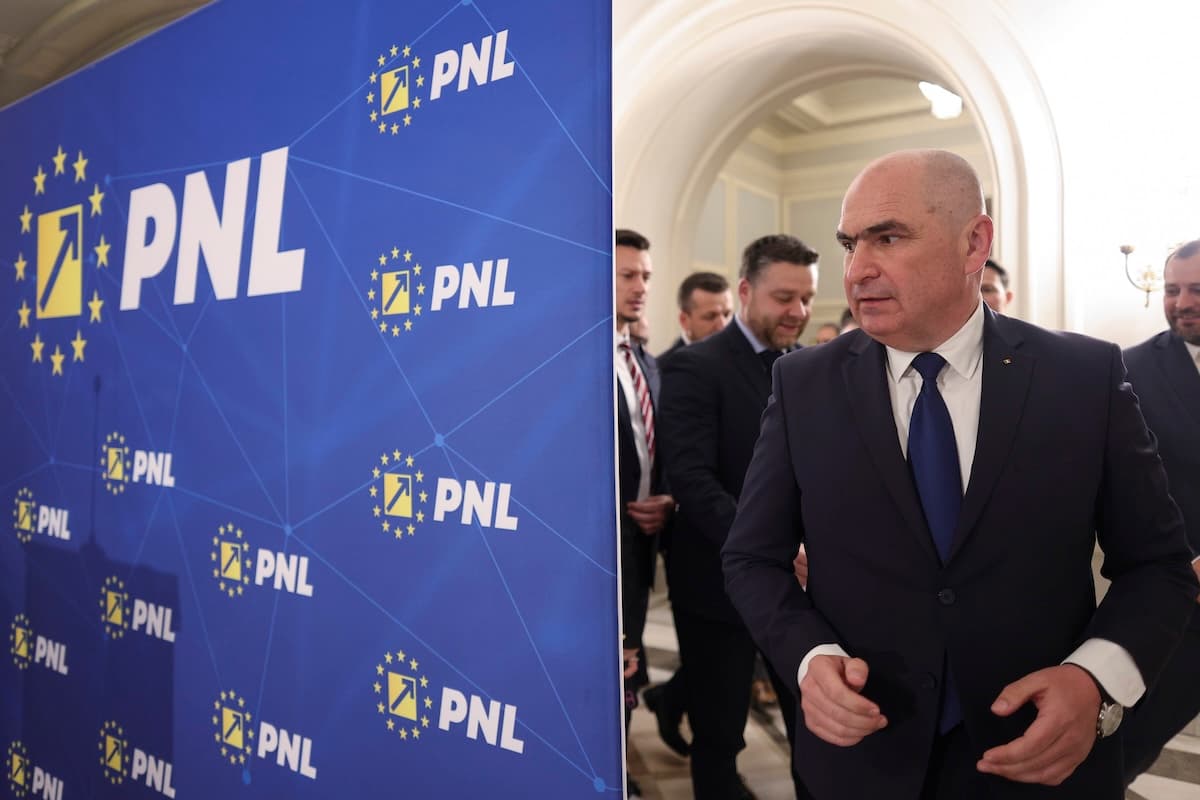
Opponents to the proposals came from center-right parties like the Save Romania Union (or USR), the National Liberal Party (PNL), and the Hungarian minority party UDMR. They pointed out that NGOs already submit all activity and financial reports to the relevant institutions, and that publishing donors’ names violates GDPR legislation. They also warned that once their names become public, donors may become victims of reprisals from those in power or criminal groups.
“NGOs in Romania have saved lives in hospitals, provided education, and managed humanitarian crises exactly where the state failed. What is the response of this AUR-PSD majority? To treat them as suspicious entities. Transparency is only the cover, while intimidation is the real goal,” said USR senator Simona Spătaru.
Critics of the bill also showed that similar legislation existed in countries defined by democratic backsliding, like Hungary under the government of Viktor Orbán. After the law was challenged by the European Commission before the Court of Justice of the European Union, Hungary had to repeal it.
In turn, NGOs said the state already has access to information about NGO funding and that the new obligations are excessive. Moreover, they argued that suspending an NGO’s activity for failing to submit a declaration and the possibility of dissolving the organization are excessively harsh sanctions.
In a press release, Save the Children Romania noted that the most significant effect of this initiative would not be increased fiscal transparency, but rather discouraging funding, intimidating donors, stigmatizing NGOs, and creating abusive and disproportionate administrative burdens. These would directly affect the ability to provide essential services to vulnerable children, families in difficulty, and disadvantaged communities, in conditions where socio-educational or medical services cannot fully cover their needs.
The law is set to go to the Chamber of Deputies, which serves as the decision-making chamber.
(Photo source: Inquam Photos|George Calin)