Romanian film review – Dracula, Miriam Răducanu – Rigor and Sense, Internal Zero

06 December 2025

I am a bit late to the party, but I have thoughts (and concerns) on Radu Jude’s much talked-about Dracula, and even more thoughts (and compliments) on other films that I fear might have gone under the radar a bit. Let’s go!

There is no more recognizable marketing asset for the local tourism (and no more kitschy) than Dracula. And so, it must have been a matter of time until prolific Radu Jude dug his mischievous teeth into this. And boy, does he go all in. His Dracula is irreverent, foul-mouthed, overlong, uneven, funny, childish, tacky, absorbing, annoying, often at the same time. The list of attributes could go on forever, as would a detailed synopsis of the film. In the interest of economy, I can sum it up as placing the count and the myth of the undead in various times and places of Romanian history, in 13 chapters.

There is a lot to admire in the pic's intention and critical view of mass tourism, capitalism and many more current malaises. The director works with his usual irony but this time with heavier cynicism and detachment. And he does it by integrating AI to comment on some of the current tropes, but these passages are eye-soaringly distasteful. And how many genitalia and fellatio jokes – I am being diplomatic here; you can probably guess the terms used in the film – until it gets from amusing to tiresome? Seems like Jude wants to rub his self-proclaimed celebration of bad-taste movie in your face, just like that one character that spits all the time. One big phlegm here, no f*cks given. This is where the film annoyed me. If the intention was to make a 'bad', shocking movie, a provocation, then so be it, but the interesting (and endearing) thing about what might be a bad movie is the makers’ love for their subject, an infectious enthusiasm and passion, even if the result might be a mess. At least that’s the case with movies still worth seeing, films that have reached a cult status. But a cynical, never-ending infantile joke, a male gaze toying with offensive quips: less so.

And that's a shame because as usual with Jude, there are brilliant scenes and ideas popping up everywhere. Dracula going to the dentist is a great (much too short) gag, and the rural love story is also something to behold. So are the performers: Răzvan Pavlu absolutely nailing his morality-preaching Orthodox priest (he also steals the show in Kontinental ‘25, Jude’s previous film), and Gabriel Spahiu in the lead– no challenge here either, because Spahiu steals the show whatever he does. Ultimately there’s too much here, and too many interruptions, too long, too tonally disjointed. Still, the fun often prevails, making Dracula entertaining throughout; it sure kept me on my toes as to what will happen next. You can still catch it in theatres.

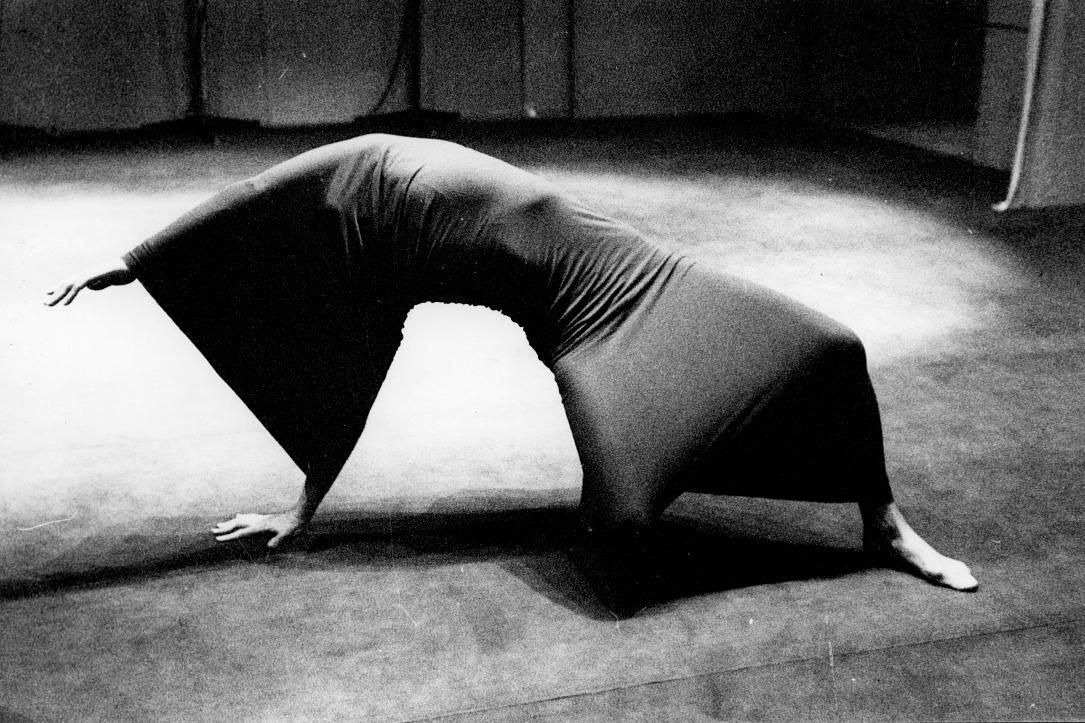
And now, for something completely different, a portrait of an artist’s life, made with the utmost reverence and generosity: Alexandra Gulea’s Miriam Răducanu – Rigor and Sense/ Miriam Răducanu – Rigoare și senZ. The artist is a hugely influential choreographer who shaped Romania’s contemporary dance. She is probably most famous for her series of performances with equally brilliant Gigi Căciuleanu. The documentary is a montage film alternating current talks with Răducanu, archive pictures and dance footage by of the most original contemporary directors. Alexandra Gulea works with spare context information, letting facts emerge gradually while favouring a sensory connection to the topic. As such, her tribute to Răducanu and ultimately the driving force of lifelong passion is beautiful, inspiring, moving. And admirably economical: this is a compact film with a precise selection of material but all the more expressive. The doc has been touring festivals and was screened on national TV where I’m sure it will feature again. I’ve spotted it on MUBI, hopefully also to be made available soon.

Also a film on artistry, but again very different in approach and subject, is Eugen Jebeleanu’s Internal Zero/ Interior Zero, based on Lavinia Braniște’s eponymous novel about a thirty-something woman struggling with life choices and circumstances, both professionally and personally, in a chaotic, hostile, hypercapitalist Bucharest. I haven’t read the source so I cannot compare the versions, and maybe that’s for the best. I had no idea what to expect and I really enjoyed Jebeleanu’s adaptation for its great actors, its assuredness of style, its intelligence and wit. You could argue the latter is the book’s merit, but I would credit the director and his writer Ioana Moraru too, at least based on how much I liked their previous drama Câmp de maci/ Poppy Field (2020). What I liked less were all the meta-fictional choices; this is also a film about making this film. To have three actresses playing the main character is puzzling to start with, but as soon as got used to that, I got annoyed by the constant interruptions where director and actors discuss their process. All these scenes come across as self-centred and add nothing to the ‘main’ story. I wished for a less disjointed, pretentious film, but I still found myself engaged with it. Internal Zero premiered recently but I fear its screenings have already become rare so keep an eye out for it.

By Ioana Moldovan, columnist, ioana.moldovan@romania-insider.com
(Photo info & source: image from Miriam Răducanu – Rigor and Sense from the film’s press kit @Astra Film Festival)  


Normal

Romanian film review – Dracula, Miriam Răducanu – Rigor and Sense, Internal Zero
06 December 2025

I am a bit late to the party, but I have thoughts (and concerns) on Radu Jude’s much talked-about Dracula, and even more thoughts (and compliments) on other films that I fear might have gone under the radar a bit. Let’s go!

There is no more recognizable marketing asset for the local tourism (and no more kitschy) than Dracula. And so, it must have been a matter of time until prolific Radu Jude dug his mischievous teeth into this. And boy, does he go all in. His Dracula is irreverent, foul-mouthed, overlong, uneven, funny, childish, tacky, absorbing, annoying, often at the same time. The list of attributes could go on forever, as would a detailed synopsis of the film. In the interest of economy, I can sum it up as placing the count and the myth of the undead in various times and places of Romanian history, in 13 chapters.

There is a lot to admire in the pic's intention and critical view of mass tourism, capitalism and many more current malaises. The director works with his usual irony but this time with heavier cynicism and detachment. And he does it by integrating AI to comment on some of the current tropes, but these passages are eye-soaringly distasteful. And how many genitalia and fellatio jokes – I am being diplomatic here; you can probably guess the terms used in the film – until it gets from amusing to tiresome? Seems like Jude wants to rub his self-proclaimed celebration of bad-taste movie in your face, just like that one character that spits all the time. One big phlegm here, no f*cks given. This is where the film annoyed me. If the intention was to make a 'bad', shocking movie, a provocation, then so be it, but the interesting (and endearing) thing about what might be a bad movie is the makers’ love for their subject, an infectious enthusiasm and passion, even if the result might be a mess. At least that’s the case with movies still worth seeing, films that have reached a cult status. But a cynical, never-ending infantile joke, a male gaze toying with offensive quips: less so.

And that's a shame because as usual with Jude, there are brilliant scenes and ideas popping up everywhere. Dracula going to the dentist is a great (much too short) gag, and the rural love story is also something to behold. So are the performers: Răzvan Pavlu absolutely nailing his morality-preaching Orthodox priest (he also steals the show in Kontinental ‘25, Jude’s previous film), and Gabriel Spahiu in the lead– no challenge here either, because Spahiu steals the show whatever he does. Ultimately there’s too much here, and too many interruptions, too long, too tonally disjointed. Still, the fun often prevails, making Dracula entertaining throughout; it sure kept me on my toes as to what will happen next. You can still catch it in theatres.

And now, for something completely different, a portrait of an artist’s life, made with the utmost reverence and generosity: Alexandra Gulea’s Miriam Răducanu – Rigor and Sense/ Miriam Răducanu – Rigoare și senZ. The artist is a hugely influential choreographer who shaped Romania’s contemporary dance. She is probably most famous for her series of performances with equally brilliant Gigi Căciuleanu. The documentary is a montage film alternating current talks with Răducanu, archive pictures and dance footage by of the most original contemporary directors. Alexandra Gulea works with spare context information, letting facts emerge gradually while favouring a sensory connection to the topic. As such, her tribute to Răducanu and ultimately the driving force of lifelong passion is beautiful, inspiring, moving. And admirably economical: this is a compact film with a precise selection of material but all the more expressive. The doc has been touring festivals and was screened on national TV where I’m sure it will feature again. I’ve spotted it on MUBI, hopefully also to be made available soon.

Also a film on artistry, but again very different in approach and subject, is Eugen Jebeleanu’s Internal Zero/ Interior Zero, based on Lavinia Braniște’s eponymous novel about a thirty-something woman struggling with life choices and circumstances, both professionally and personally, in a chaotic, hostile, hypercapitalist Bucharest. I haven’t read the source so I cannot compare the versions, and maybe that’s for the best. I had no idea what to expect and I really enjoyed Jebeleanu’s adaptation for its great actors, its assuredness of style, its intelligence and wit. You could argue the latter is the book’s merit, but I would credit the director and his writer Ioana Moraru too, at least based on how much I liked their previous drama Câmp de maci/ Poppy Field (2020). What I liked less were all the meta-fictional choices; this is also a film about making this film. To have three actresses playing the main character is puzzling to start with, but as soon as got used to that, I got annoyed by the constant interruptions where director and actors discuss their process. All these scenes come across as self-centred and add nothing to the ‘main’ story. I wished for a less disjointed, pretentious film, but I still found myself engaged with it. Internal Zero premiered recently but I fear its screenings have already become rare so keep an eye out for it.

By Ioana Moldovan, columnist, ioana.moldovan@romania-insider.com
(Photo info & source: image from Miriam Răducanu – Rigor and Sense from the film’s press kit @Astra Film Festival)  


Normal

Romania Insider Free Newsletters