

Romania faces tougher economic outlook in 2026 amid Middle East tensions, PM warns

31 March 2026

Romania is likely to face a more difficult economic year in 2026 than previously expected, prime minister Ilie Bolojan said, citing global instability and rising prices linked to tensions in the Middle East. He warned that higher costs could lead to a mild economic contraction.

Speaking on Digi24, as quoted by Agerpres, Bolojan pointed to the international context, particularly the situation involving Iran, as a key factor affecting European markets and, indirectly, Romania.

“When you have four parties in a coalition, it is not easy to take complicated measures, close budgets, or carry out reforms (…) It will be a more difficult year than we initially estimated, certainly, because at that time we did not have the situation involving Iran, which greatly complicates things and has effects worldwide, including on European markets. Inevitably, rising prices mean a slight economic contraction, which, in addition to our domestic situation, also affects us indirectly,” the prime minister said. 

He also pointed to Romania’s structural vulnerabilities, including trade and budget deficits, which make economic adjustments more difficult.

Ilie Bolojan also explained that Romania’s economy is closely tied to broader European trends, with domestic industrial output influenced by demand across interconnected markets. He stressed that investment and exports remain key drivers of growth, but warned there are no solutions without costs when addressing economic imbalances.

Separately, central bank BNR governor Mugur Isărescu warned that a prolonged conflict in the Middle East could have a severe impact on the economy, including rising energy prices, weaker growth prospects, and increased volatility in financial markets. 

Speaking at The Economist Romania Government Roundtable, Isărescu said Romania has shown resilience in recent years but continues to face structural challenges such as a persistent current account deficit and fiscal imbalances.

He added that inflation, which had been declining after pandemic-related shocks, remains sensitive to new pressures, including energy prices and fiscal adjustments. 

“The ongoing conflict in the Middle East generates significant risks, including upward pressure on energy prices, a deterioration in economic growth prospects, and increased risk aversion on international financial markets. If the conflict continues, the impact on the economy could be severe. However, fiscal adjustment must continue. It is true that when inflation accelerates, purchasing power erodes; when geopolitical risks rise, precautionary savings increase. Consumer confidence becomes more fragile, and consumption patterns adjust,” said Mugur Isărescu, Agerpres reported.

The central bank, he also said, must maintain a firm stance to anchor inflation expectations and safeguard financial stability.

irina.marica@romania-insider.com

(Photo source: Gov.ro)

Normal

Romania faces tougher economic outlook in 2026 amid Middle East tensions, PM warns

31 March 2026

Romania is likely to face a more difficult economic year in 2026 than previously expected, prime minister Ilie Bolojan said, citing global instability and rising prices linked to tensions in the Middle East. He warned that higher costs could lead to a mild economic contraction.

Speaking on Digi24, as quoted by Agerpres, Bolojan pointed to the international context, particularly the situation involving Iran, as a key factor affecting European markets and, indirectly, Romania.
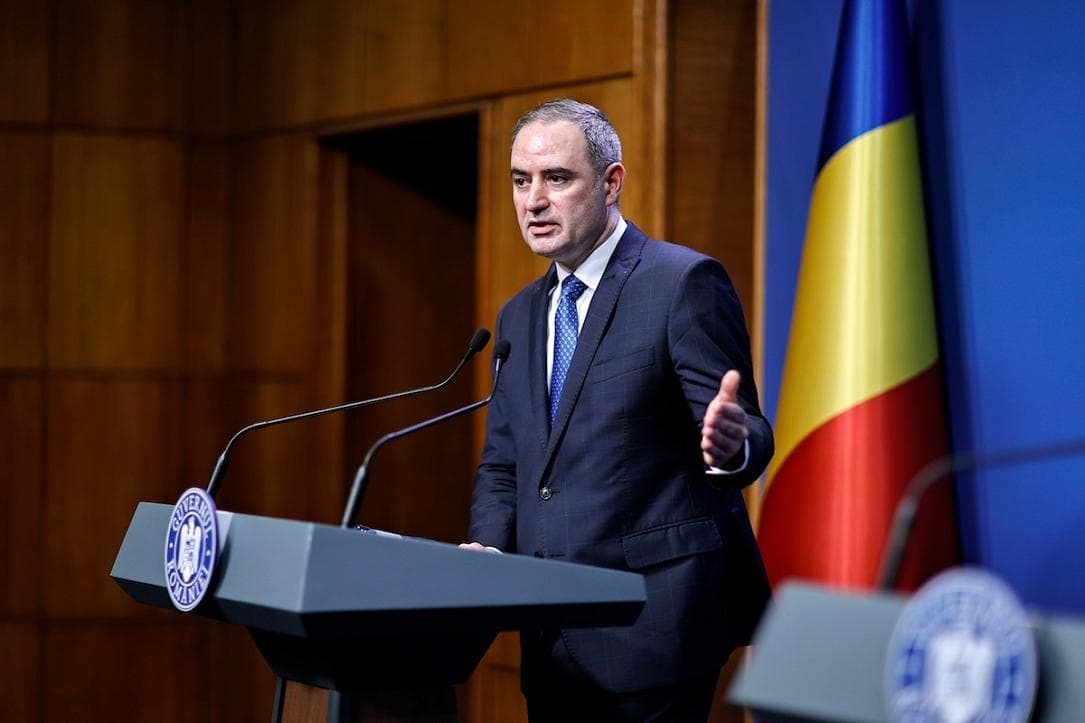
“When you have four parties in a coalition, it is not easy to take complicated measures, close budgets, or carry out reforms (…) It will be a more difficult year than we initially estimated, certainly, because at that time we did not have the situation involving Iran, which greatly complicates things and has effects worldwide, including on European markets. Inevitably, rising prices mean a slight economic contraction, which, in addition to our domestic situation, also affects us indirectly,” the prime minister said. 

He also pointed to Romania’s structural vulnerabilities, including trade and budget deficits, which make economic adjustments more difficult.

Ilie Bolojan also explained that Romania’s economy is closely tied to broader European trends, with domestic industrial output influenced by demand across interconnected markets. He stressed that investment and exports remain key drivers of growth, but warned there are no solutions without costs when addressing economic imbalances.

Separately, central bank BNR governor Mugur Isărescu warned that a prolonged conflict in the Middle East could have a severe impact on the economy, including rising energy prices, weaker growth prospects, and increased volatility in financial markets. 

Speaking at The Economist Romania Government Roundtable, Isărescu said Romania has shown resilience in recent years but continues to face structural challenges such as a persistent current account deficit and fiscal imbalances.

He added that inflation, which had been declining after pandemic-related shocks, remains sensitive to new pressures, including energy prices and fiscal adjustments. 

“The ongoing conflict in the Middle East generates significant risks, including upward pressure on energy prices, a deterioration in economic growth prospects, and increased risk aversion on international financial markets. If the conflict continues, the impact on the economy could be severe. However, fiscal adjustment must continue. It is true that when inflation accelerates, purchasing power erodes; when geopolitical risks rise, precautionary savings increase. Consumer confidence becomes more fragile, and consumption patterns adjust,” said Mugur Isărescu, Agerpres reported.

The central bank, he also said, must maintain a firm stance to anchor inflation expectations and safeguard financial stability.

irina.marica@romania-insider.com

(Photo source: Gov.ro)

Normal

Romania Insider Free Newsletters