Romania plans to boost defense spending and strengthen military capabilities, interim president says
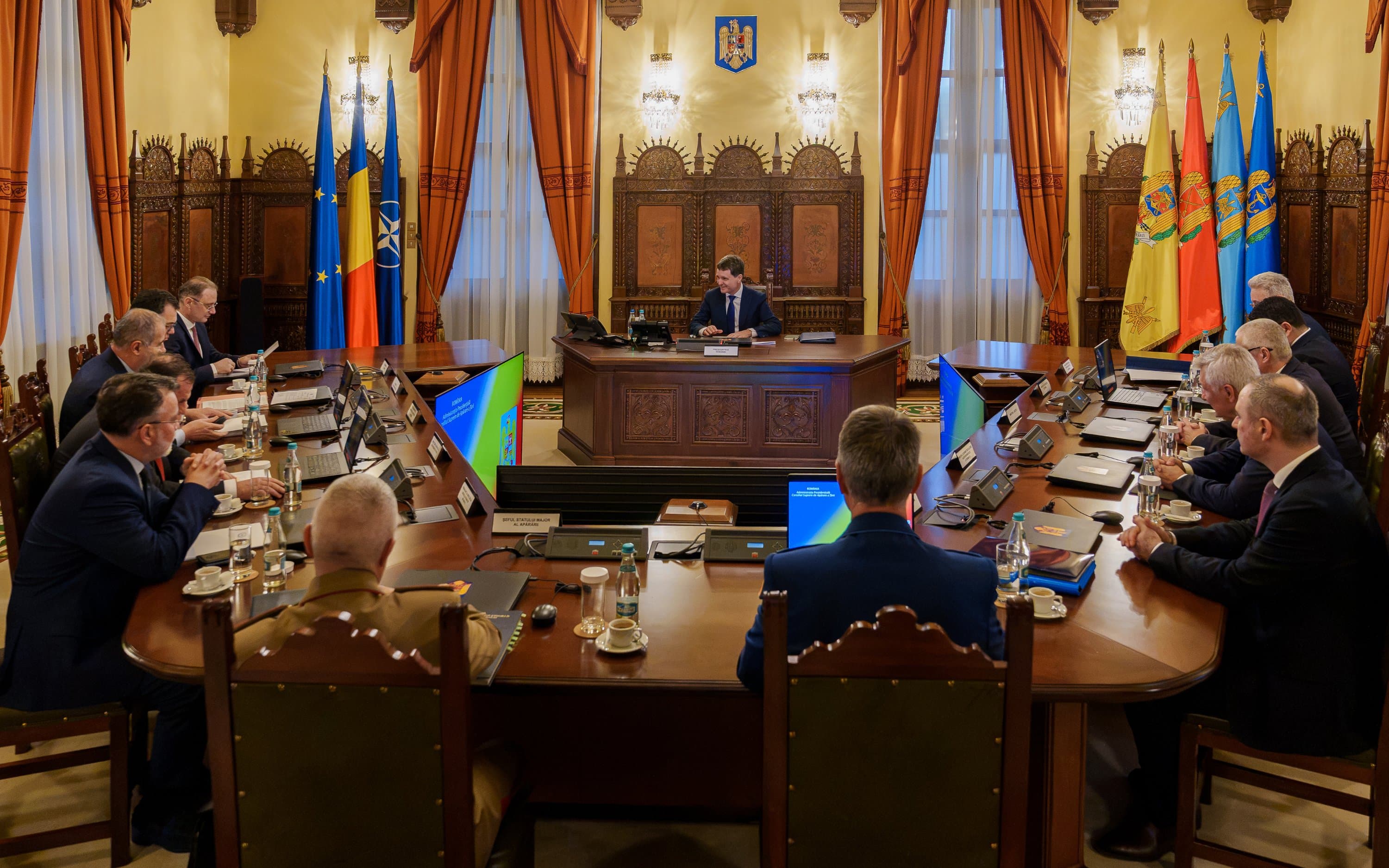
Romania is preparing to significantly increase its defense spending and military capabilities in the coming years, according to interim president Ilie Bolojan. Following a meeting of the Supreme Council of National Defense (CSAT) on April…
Irina Marica · Journalist
· Updated · 2 min read

Romania is preparing to significantly increase its defense spending and military capabilities in the coming years, according to interim president Ilie Bolojan. Following a meeting of the Supreme Council of National Defense (CSAT) on April 30, Bolojan announced a multi-year plan aimed at strengthening the country’s security and aligning more closely with NATO and EU objectives.
A key part of the plan is a gradual increase in Romania’s defense budget until 2030. The goal is to ensure that the country contributes more actively to European security and reinforces its own defenses, especially along NATO’s Eastern Flank, Ilie Bolojan said.
The defense minister has been tasked with representing these commitments during upcoming technical negotiations ahead of the NATO Summit in The Hague in June.
To support these efforts, Romania also plans to access a special European Union loan designed to help member states invest in defense. This long-term loan has a 40-year repayment schedule and a 10-year grace period, allowing Romania to modernize its armed forces without placing immediate strain on the national budget, the president explained.
A task force, led by the prime minister’s office and supported by the Ministries of Defense and Economy, will handle the application process for this financing.
Part of the investment will go toward contracts with Romania’s own defense industry, both public and private. The government aims to form partnerships that meet EU funding requirements while boosting local production capabilities.
By mid-June, before the NATO summit, Romania is expected to present a detailed list of defense projects it plans to finance through the EU credit program.
The CSAT also discussed a new National Defense Law, part of a broader package of four defense-related laws. Two of these have already been passed by Parliament and are set to be enacted in May. The remaining two laws are under review and are expected to be finalized and approved by June.
The legislative updates aim to modernize Romania’s defense framework and better integrate military operations with allied forces, especially during peacetime training and planning.
In addition, Romania has updated its national military mobility plan, which includes both civilian infrastructure and strategic military routes. A new North-South corridor linking Romania with the Balkans has been added, with a new bridge over the Danube included as a priority project.
Free newsletters
Romania, in your inbox before your first coffee.
Get the Daily — the morning briefing, free, in English, unsubscribe anytime. Want business, real estate or travel digests too? Pick your newsletters →