Renault scales back Dacia operations in Romania amid shift of new models and profit abroad
Renault continues to reduce the scale of activity at its Romanian subsidiary Dacia, despite previously securing RON 2.2 billion (EUR 440 million) in state aid for investments, as production of several new Dacia models is increasingly relocated outside Romania.
According to Ziarul Financiar, Automobile Dacia reported a net profit of RON 629.2 million for 2025, corresponding to a net profit margin of 2.1%. Shareholders are set to receive almost the entire amount generated by the company, with Dacia proposing dividend distributions totalling RON 625.9 million.
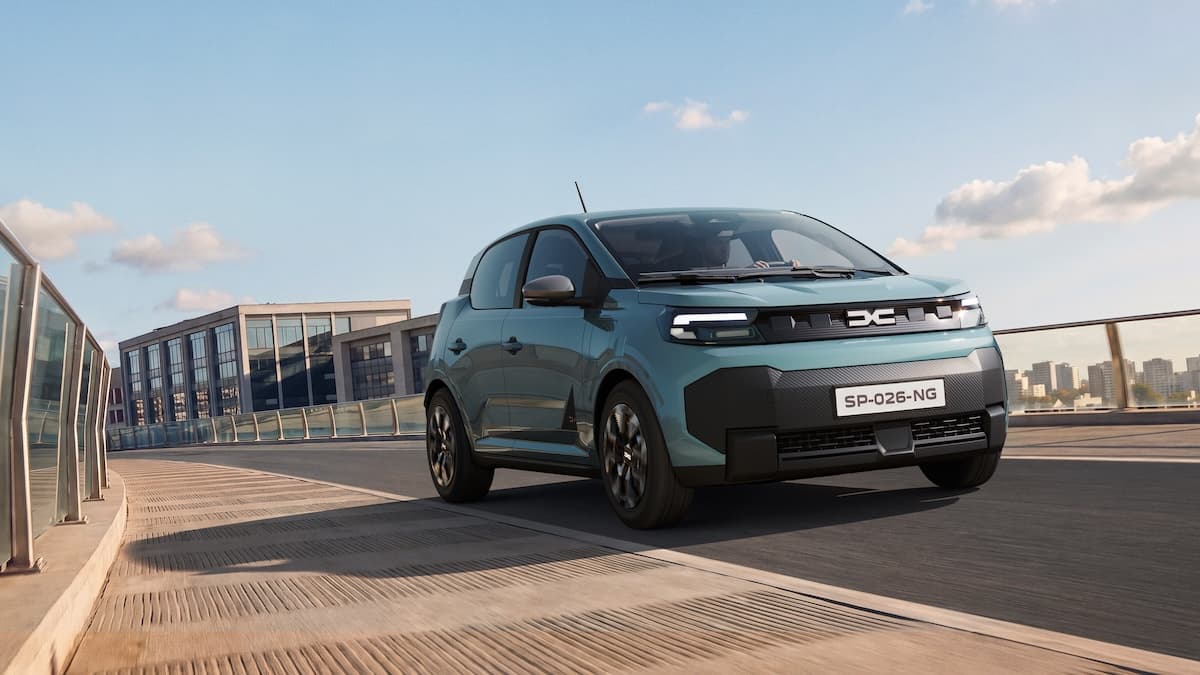
At the same time, Renault’s strategic investments for the Dacia brand are increasingly concentrated outside Romania. The new Dacia Striker, the first Dacia-branded vehicle to be manufactured entirely outside the Mioveni plant, will be produced at Renault’s Oyak facility in Bursa, Turkey, following a EUR 400 million investment programme. The model had initially been considered for production in Romania.
Renault has also shifted production of the Sandero, Logan, and Jogger models to its Tangier facility in Morocco to free capacity at the Mioveni plant for the production of the Bigster SUV.
Investment activity at the Romanian plant declined sharply in 2025. Tangible investments reached only RON 368.7 million, compared with RON 1.04 billion in 2024, representing a drop of more than 64%. Renault described 2024 as an exceptional investment year linked to preparations for the launch of the Bigster, while 2025 represents a period of “normalisation” after the completion of those investments.
The company also formally abandoned a long-discussed project aimed at expanding annual production capacity at the Mioveni plant to 400,000 vehicles. The project had secured a state aid agreement from Romania’s Ministry of Finance in December 2018, but Dacia ultimately drew only RON 12.1 million from the approved support scheme.
The gradual relocation of production comes as Romania faces broader concerns over industrial competitiveness and slowing manufacturing activity amid weaker domestic demand and regional economic uncertainty.
iulian@romania-insider.com
(Photo source: Chernetskaya/Dreamstime.com)