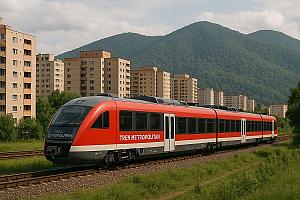
Romania approves metropolitan rail projects for Brașov and Târgu Mureș
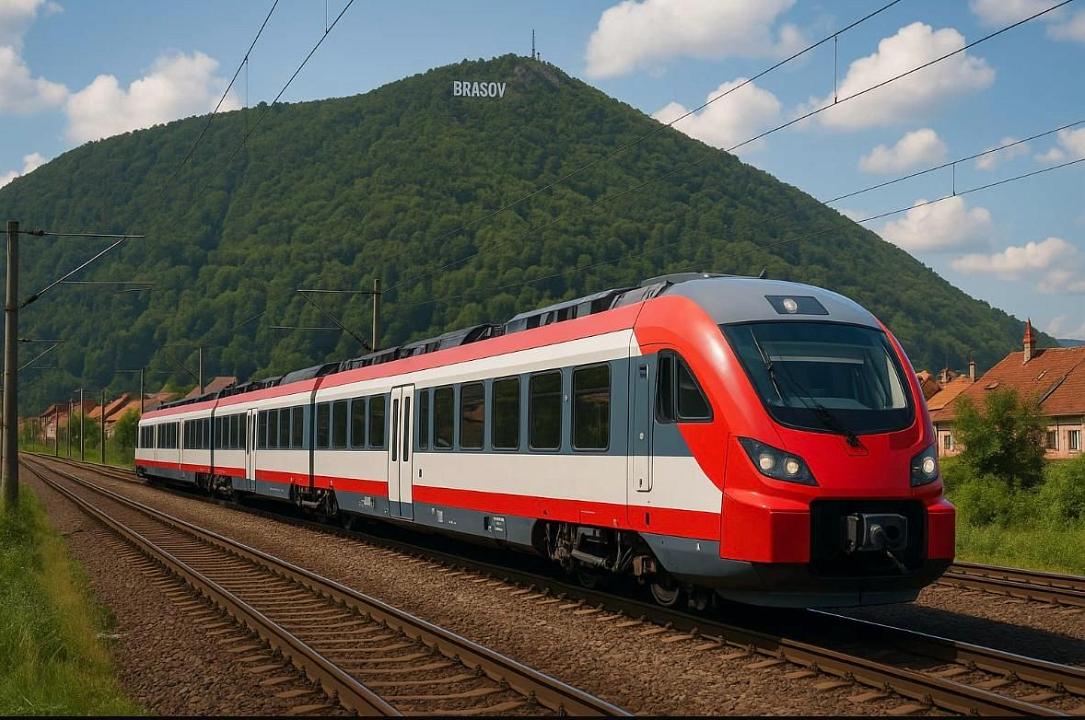
Romania’s Ministry of Transport has approved metropolitan rail projects for the cities of Brașov and Târgu Mureș, paving the way for the preparation and implementation of new urban and suburban rail networks aimed at reducing congestion and improving mobility.
The projects were approved through a ministerial order signed at the end of May, establishing partnerships between the national railway infrastructure manager CFR and local authorities, which will jointly prepare, implement, and manage the investments.
“Good news for urban mobility in Transylvania. We have approved at the Ministry of Transport the metropolitan train projects for Brașov and Târgu Mureș, two major investments that will change the way people move around these cities,” State Secretary for Transport Horațiu Cosma said on June 1, as reported by Libertatea.
According to the ministry, the projects will include the acquisition of new trains, rehabilitation of existing railway infrastructure, construction of new stops, and the modernisation of existing stations.
Additional investments are expected to cover park-and-ride facilities, road links to stations, safe pedestrian access, and other infrastructure designed to integrate rail transport with local mobility networks.
The Brașov metropolitan rail system is intended to serve as the backbone of public transport in the metropolitan area, connecting the city with surrounding localities and supporting the region’s continued urban expansion.
“In Brașov, the project is designed as a true backbone of metropolitan public transport,” Cosma said.
In Târgu Mureș, the metropolitan rail service will make use of existing railway infrastructure along the Reghin–Târgu Mureș–Luduș corridor. Authorities expect the service to provide an alternative to increasingly congested road traffic in the area.
The projects form part of broader efforts to develop metropolitan rail systems around major Romanian cities, following similar initiatives already underway in Bucharest, Cluj-Napoca, and other urban centres.
“Romania needs more quality public transport, and metropolitan trains represent one of the smartest investments we can make to reduce traffic, decrease pollution, and increase the quality of life in large urban areas,” Cosma said.
No investment value or implementation timeline has yet been announced. The next stage involves the preparation of technical documentation and project proposals by CFR and the participating local authorities.
iulian@romania-insider.com
(Photo source: Facebook/Horațiu Cosma)