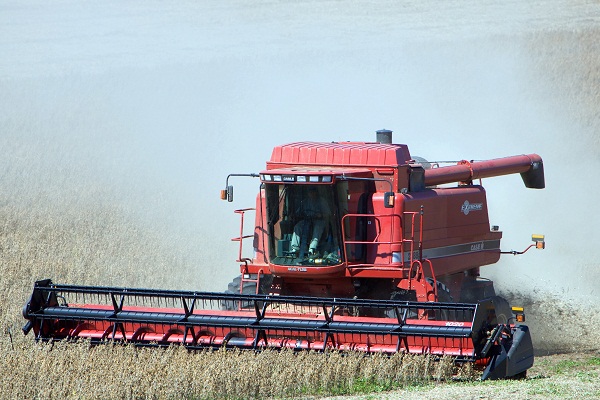
The Romanian government approved a draft law on Thursday, December 18, creating the legal framework for the repayment of...
Nicolae Malaxa was a Romanian industrialist who lived at the end of the 19th century and the beginning of the 20th century and who created one of the biggest industry holdings of interbelic period in Romania. His holdings were nationalized by the Communist party and the Malaxa heirs are currently on their way to receiving compensation for the nationalized assets through Fondul Proprietatea, which will be listed on the Bucharest Stock Exchange on January 25. But who was Nicolae Malaxa and what did he achieve in the first half of the last century?
The Romanian currency Leu's appreciation in 2011 could be supported by the stock exchange listing of Fondul Proprietatea and by a new cautionary agreement with the International Monetary Fund, according to an analysis by X-Trade Brokers. Last year, the Ley depreciated by 8 percent against the US Dollar, the second biggest depreciation after the Hungarian Forint. The Leu was quite stable against the Euro last year, with only a 1.02 percent depreciation.
A&D Pharma Holdings, the Dutch holding company that owns the largest integrated pharmaceutical wholesale, marketing and sales, and retail business in Romania, has signed a new EUR 150 million loan agreement arranged by Erste Group Bank AG, Banca Comerciala Romana S.A. and UniCredit Tiriac Bank S.A.
Local software company Siveco grew its turnover by 20 percent last year on 2009 and signed over 100 new contracts, the company has announced. Siveco posted EUR 49 million in turnover in 2009, according to its data, having reached EUR 58.8 million in turnover last year.
The Romanian car market is expected to grow this year on last year mostly due to the Clunkers program, as well as due to the car pollution tax, which is more favorable for purchasing new cars, according to Fabrice Cambolive (in picture), commercial director of Automobile Dacia car maker.
Romanians manage to put aside only 7 percent of their monthly income, compared to the worldwide average of 12 percent, according to a study carried on by ING in ten countries. Consumers in the Netherlands, Belgium and Mexico put aside 10 percent of their income every month, while those in Spain, 11 percent, Japan, 14 percent, and India and Korea, as much as 20 percent.
Romania will sign new, precautionary financing agreements with both the International Monetary Fund and the European Commission, Finance Minister Gheorghe Ialomitianu (in picture) told a news conference Monday.
The Green City residential project, which has asked for the judiciary reorganization procedures, will be finalized in the last quarter of the year, the developers have announced. The reorganization procedure doesn't affect the already built houses and is only meant to protect buyers in the project, according to the Green City Construct, the developer of the project.
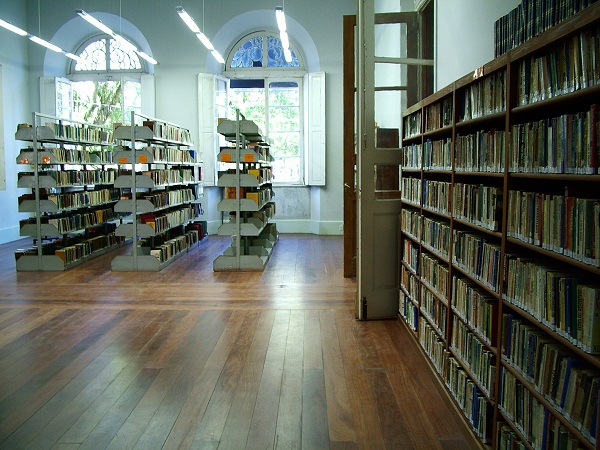
The value of books sold in Romania was down 15 percent last year, to EUR 60 million, according to an estimation by Romanian bookstore chain Diverta. The value doesn't include books sold in kiosks, which would take the number up to EUR 112 million, according to Diverta.
Nicolae Malaxa was a Romanian industrialist who lived at the end of the 19th century and the beginning of the 20th century and who created one of the biggest industry holdings of interbelic period in Romania. His holdings were nationalized by the Communist party and the Malaxa heirs are currently on their way to receiving compensation for the nationalized assets through Fondul Proprietatea, which will be listed on the Bucharest Stock Exchange on January 25. But who was Nicolae Malaxa and what did he achieve in the first half of the last century?
The Romanian currency Leu's appreciation in 2011 could be supported by the stock exchange listing of Fondul Proprietatea and by a new cautionary agreement with the International Monetary Fund, according to an analysis by X-Trade Brokers. Last year, the Ley depreciated by 8 percent against the US Dollar, the second biggest depreciation after the Hungarian Forint. The Leu was quite stable against the Euro last year, with only a 1.02 percent depreciation.
A&D Pharma Holdings, the Dutch holding company that owns the largest integrated pharmaceutical wholesale, marketing and sales, and retail business in Romania, has signed a new EUR 150 million loan agreement arranged by Erste Group Bank AG, Banca Comerciala Romana S.A. and UniCredit Tiriac Bank S.A.
Local software company Siveco grew its turnover by 20 percent last year on 2009 and signed over 100 new contracts, the company has announced. Siveco posted EUR 49 million in turnover in 2009, according to its data, having reached EUR 58.8 million in turnover last year.
The Romanian car market is expected to grow this year on last year mostly due to the Clunkers program, as well as due to the car pollution tax, which is more favorable for purchasing new cars, according to Fabrice Cambolive (in picture), commercial director of Automobile Dacia car maker.
Romanians manage to put aside only 7 percent of their monthly income, compared to the worldwide average of 12 percent, according to a study carried on by ING in ten countries. Consumers in the Netherlands, Belgium and Mexico put aside 10 percent of their income every month, while those in Spain, 11 percent, Japan, 14 percent, and India and Korea, as much as 20 percent.
Romania will sign new, precautionary financing agreements with both the International Monetary Fund and the European Commission, Finance Minister Gheorghe Ialomitianu (in picture) told a news conference Monday.
The Green City residential project, which has asked for the judiciary reorganization procedures, will be finalized in the last quarter of the year, the developers have announced. The reorganization procedure doesn't affect the already built houses and is only meant to protect buyers in the project, according to the Green City Construct, the developer of the project.
The value of books sold in Romania was down 15 percent last year, to EUR 60 million, according to an estimation by Romanian bookstore chain Diverta. The value doesn't include books sold in kiosks, which would take the number up to EUR 112 million, according to Diverta.