29 July 2026





If you want to see a bit of the wild Romania and discover the beauty of the Carpathian mountains, we could recommend a hand full of places to go. This week we'll take you to Moldova, in the Ceahlau and Hasmas mountain massifs. It is a trip you should make by car to fully enjoy it– rent one for a couple of days, if needed.
Nadia Comaneci is probably the most famous Romanian in the world, being the first gymnast to receive a perfect score of ten in an Olympic competition.
Romania's tourism Brand Council, which held e meeting earlier today, has recommended the country kept the leaf in its recently launched logo, according to Paul Marasoiu, council member.
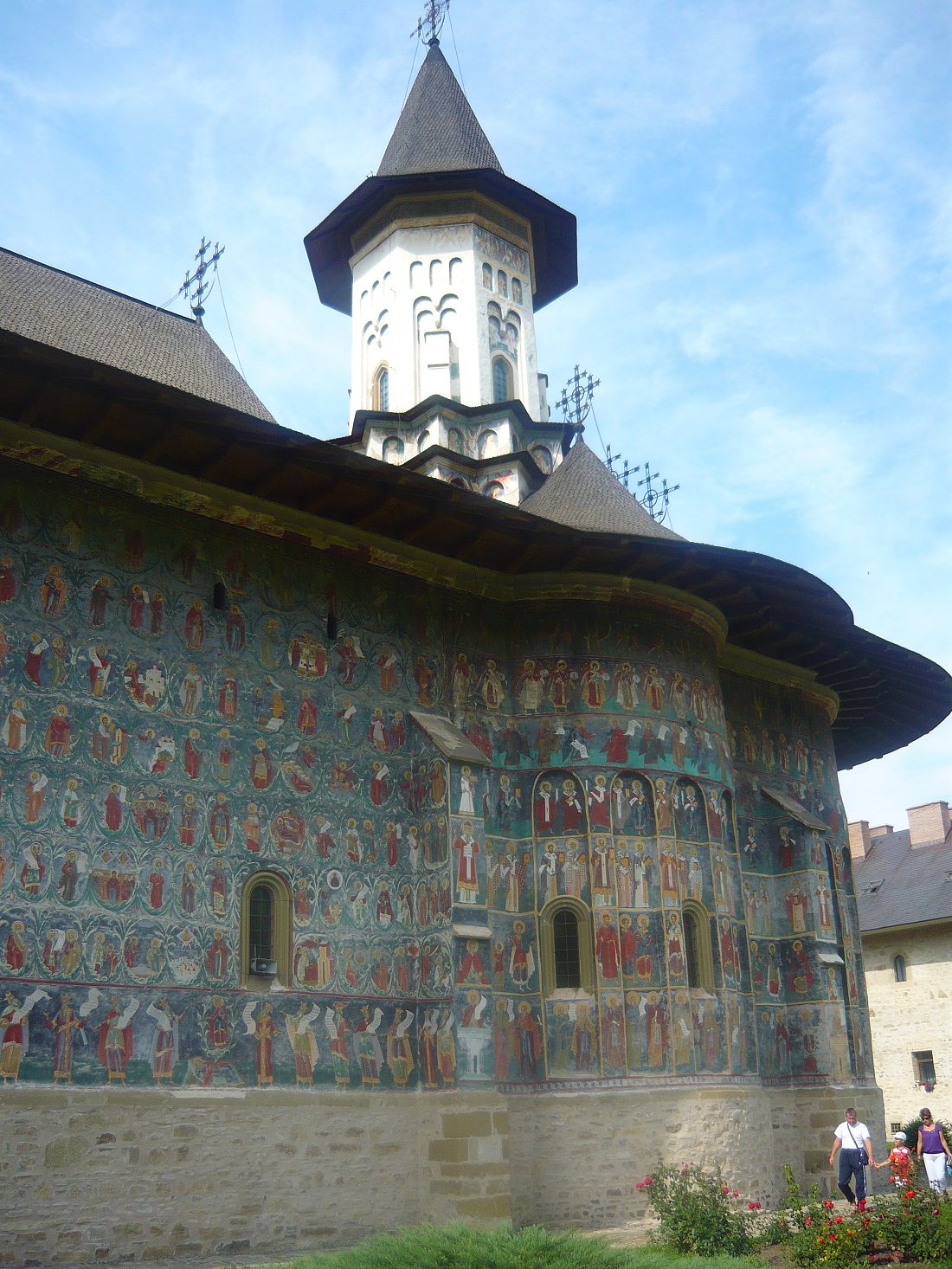 The Resurrection Church within the Sucevita monastery in Northern Romania was included in the global heritage list by...
The consortium which has created Romania's tourism brand, included the logo which triggered questions due to its similarity to another logo which was sold on the Internet, has reacted quickly to the Romanian Tourism Ministry's request for explanations. THR offered to show all the paper drawings and the intermediary designs used in the creative process and even offered supplementary design works on the logo, should the Romanian tourism Ministry ask for it.
The Romanian Tourism Ministry has asked the consortium made of THR Asesores en Turismo, Hoteliere e Recreation and Taylor Nelson Sofres to come up with an answer to the recent media reports pointing out to the similarity between one of the elements of Romania's tourism logo and anotehr logo which was on sale on the Internet.
Romania's newly launched tourism communication campaign aims at increasing the number of local and international tour operators which sell Romania as a tourist destination, as well as the number of local and international tourists which would recommend the country for tourism.
While 'the eternal flame in Andreiasu' is the generic name, there's more than one flame burning in Vrancea county, where Andreiasu mountain locality is located.
It all starts with gaseous hydrocarbons emissions – some of which have the so-called 'spontaneous combustion'. Which means the gas will turn to flames once it reaches the air, but they can also be ignited
After 1989, Romania had to go through a long and at times painful transition towards democracy. The legacy of over 50 years of communism could not be eliminated so quickly. But in the 20 years that have gone by since the fall of communism, the country has managed to make some important steps ahead.
If you want to see a bit of the wild Romania and discover the beauty of the Carpathian mountains, we could recommend a hand full of places to go. This week we'll take you to Moldova, in the Ceahlau and Hasmas mountain massifs. It is a trip you should make by car to fully enjoy it– rent one for a couple of days, if needed.
Nadia Comaneci is probably the most famous Romanian in the world, being the first gymnast to receive a perfect score of ten in an Olympic competition.
Romania's tourism Brand Council, which held e meeting earlier today, has recommended the country kept the leaf in its recently launched logo, according to Paul Marasoiu, council member.
The Resurrection Church within the Sucevita monastery in Northern Romania was included in the global heritage list by...
The consortium which has created Romania's tourism brand, included the logo which triggered questions due to its similarity to another logo which was sold on the Internet, has reacted quickly to the Romanian Tourism Ministry's request for explanations. THR offered to show all the paper drawings and the intermediary designs used in the creative process and even offered supplementary design works on the logo, should the Romanian tourism Ministry ask for it.
The Romanian Tourism Ministry has asked the consortium made of THR Asesores en Turismo, Hoteliere e Recreation and Taylor Nelson Sofres to come up with an answer to the recent media reports pointing out to the similarity between one of the elements of Romania's tourism logo and anotehr logo which was on sale on the Internet.
Romania's newly launched tourism communication campaign aims at increasing the number of local and international tour operators which sell Romania as a tourist destination, as well as the number of local and international tourists which would recommend the country for tourism.
While 'the eternal flame in Andreiasu' is the generic name, there's more than one flame burning in Vrancea county, where Andreiasu mountain locality is located.
It all starts with gaseous hydrocarbons emissions – some of which have the so-called 'spontaneous combustion'. Which means the gas will turn to flames once it reaches the air, but they can also be ignited
After 1989, Romania had to go through a long and at times painful transition towards democracy. The legacy of over 50 years of communism could not be eliminated so quickly. But in the 20 years that have gone by since the fall of communism, the country has managed to make some important steps ahead.