Bucharest’s Dimitrie Leonida Technical Museum reopens with interactive experiences, larger exhibition space
A revamped Dimitrie Leonida Technical Museum opened to the public this past weekend with an extended exhibition area, a focus on young audiences, and plans to continue its transformation.
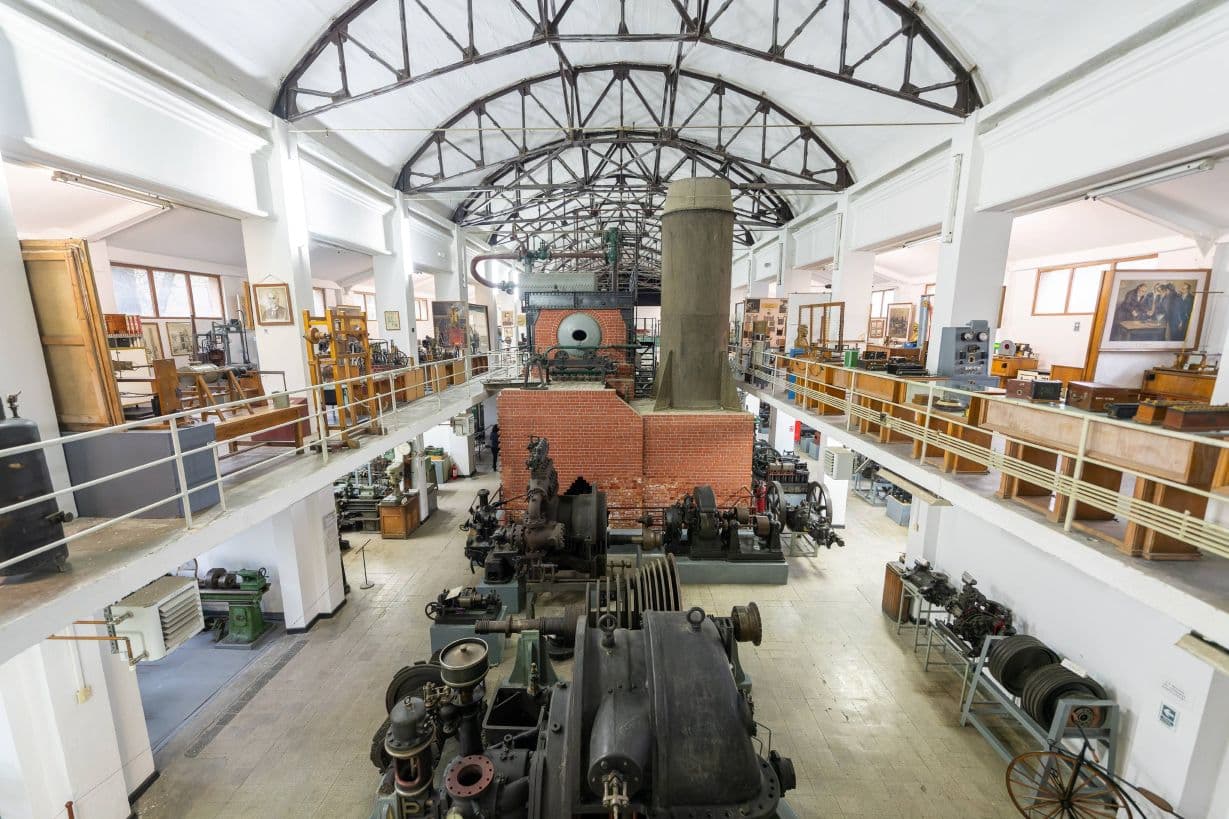
The museum, located in Bucharest’s Carol I Park, was founded by engineer Dimitrie Leonida (1883–1965), who had a keen interest in the history of science and technology. Modeled on German technical museums, it houses a collection of thousands of items spanning mechanics, electricity, chemistry, nuclear energy, mining and oil industries, electrical engineering, telecommunications, hydraulics, and more.
It had been closed for renovations that have now reopened a section unseen by the public in 40 years. Following a 1987 accident involving the building’s rooftop, repair work was undertaken, but many items from the collection were placed in storage in an area that remained inaccessible to visitors. Since October, work has been underway to reopen this section, involving the relocation of items, their reinstallation in appropriate spaces, and essential conservation efforts. Some of the items were relocated for an exhibition held at the Filaret Electrical Plant, which supplied the capital with electricity until the 1970s. The plant, now a listed historic monument, is located near the museum. Their removal made way for refurbishment works, including wall repairs, cleaning, and sanitation.
It is a work in progress, Laura Albani, the institution’s director, explains. “You cannot finish a museum in two months. This is the beginning, and we still have more.”
Among the novelties brought on by the reopening is a screening room, where visitors can currently see short films on the history of Romanian innovation and learn more about the museum’s founder. At the same time, the cabinet of engineer Dimitrie Leonida was fitted out to offer a glimpse into the universe of the museum founder. It can be seen through glass walls, as the books in the collection need to be in a controlled environment.
At the ground level, the museum has sections dedicated to hydraulics, typing and printing machines, aviation, while the upper level takes visitors through items related to, among others, navigation, cinema, TV, and radio. Now, the public can see the first Romanian computers, but also the first local radio station, originally found in Băneasa. Early motorcycle and car models are also on display in the museum, which hosts in its collection items such as the aerodynamic car designed by Aurel Persu and the first power plant at the National Theater.
“At the same time, with this reopening, the circuit of the museum has been done in such a way as to move from the new part to the old one. You see the new, you see the old part.”
The project was made possible with support from the Electrica Foundation, the non-profit arm of utility group Electrica. It funded the refurbishment works but also backed the museum’s digitalization efforts, the museum’s director explains. As a result, children visiting the museum can now use tablets to learn more about the exhibits in both Romanian and English. The content is tailored to different age groups, and is meant to help children understand each item, from its history to how it works. The museum has also added playground areas as part of its focus on the young public.
As he set out to collect items for the Technical Museum he had in mind, Dimitrie Leonida established, at the beginning of the 20th century, the School of Electricians and Mechanics, designed to train qualified professionals in the fields of electricity and mechanics. The school trained thousands of students who went on to work in power plants and technical companies in the country. As part of their training, many students visited the Technical Museum, which was used for practical demonstrations and for the learners to understand the functioning of industrial machinery.
“It wasn’t a museum for children. The way Leonida designed it, it was a ‘school of schools.’ It was meant for those who already had a job in the field and needed to learn more. Or for those interested in seeing how things started and how they continue. Now we want to bring it to families and children,” the director says.
The museum plans further restoration and reconditioning work, the digitalization of the sections that have remained open to visitors, and carrying out work on the building’s exterior. All of this, however, will depend on the funding available.
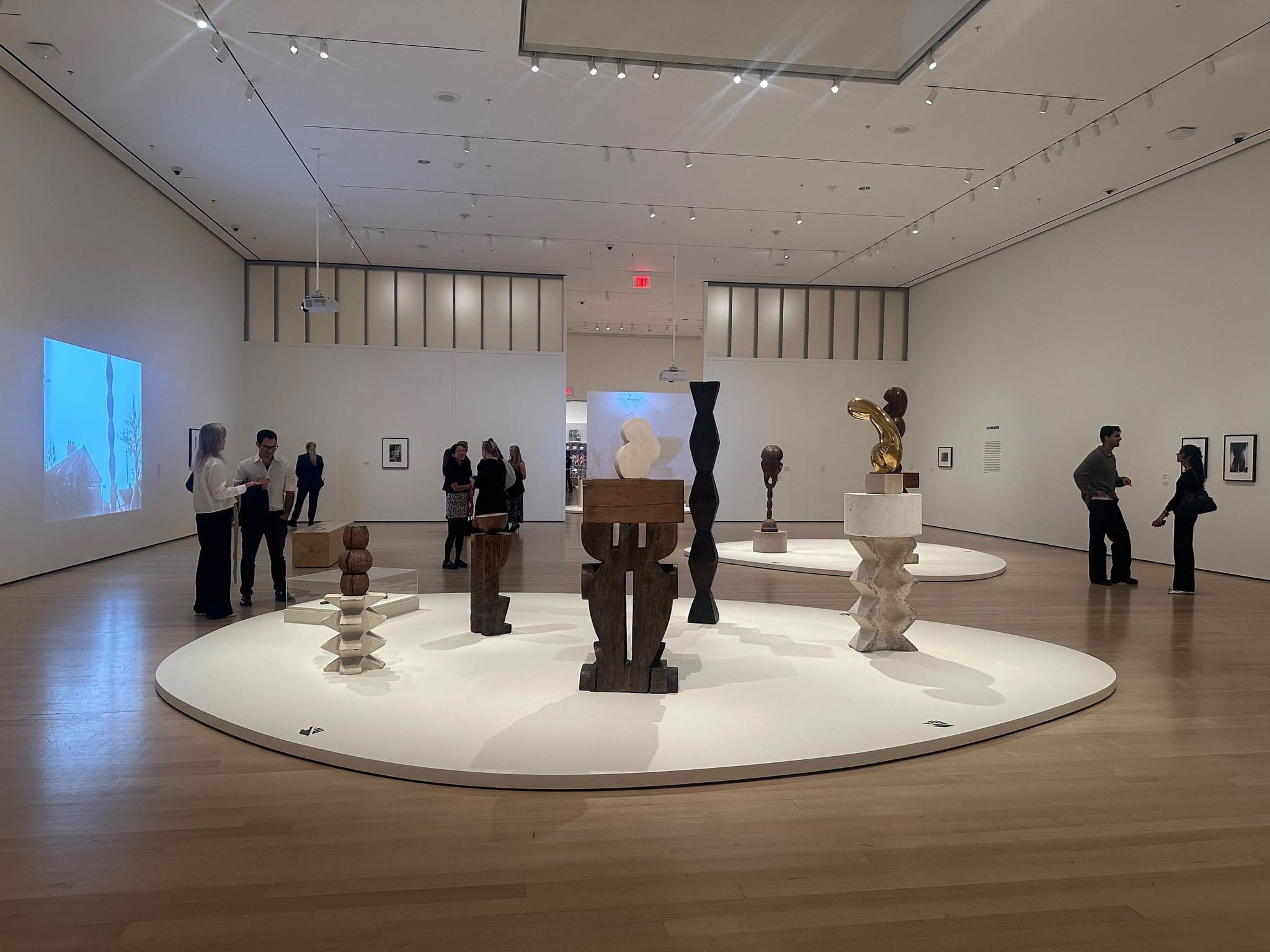
Meanwhile, the temporary exhibition hall, which opened two years ago, will continue to host exhibitions exploring the intersection of art and science. Currently on show is the interactive installation Event Horizon, a visual exploration of the mystery of black holes. It is a project of the new media studio H3, which will present an art and technology installation every month as part of a collaboration project with the museum. The installation, previously presented at Bright Festival Florence 2023 and Bright Festival Brussels 2025, proposes “an immersive experience inspired by the fascinating universe of black holes and the way these influence light and space.”
The program of the reopening day also featured educational Tesla shows for children. They are all part of the museum’s efforts to bring a friendlier, engaging perspective on technical heritage.
“Many things that are not read yet, but we will continue,” the director explains. “The project has started, and it’s a good thing that it did.”
The museum is located in Bucharest’s District 4, on 2 General Candiano Popescu Street. Entrance is through Carol I Park, close to the Zodiac Fountain.
(Opening photo: Electrica Facebook page)
simona@romania-insider.com