Bucharest Leads the Real Estate Market in February 2026, with the Northern Area Strengthening Its Role as an Investment Hub
Romania’s real estate market recorded 44,427 transactions in February 2026, representing an increase of 19,829 compared to January, according to data published by the National Agency for Cadastre and Real Estate Publicity (ANCPI).
Romania’s real estate market recorded 44,427 transactions in February 2026, representing an increase of 19,829 compared to January, according to data published by the National Agency for Cadastre and Real Estate Publicity (ANCPI).
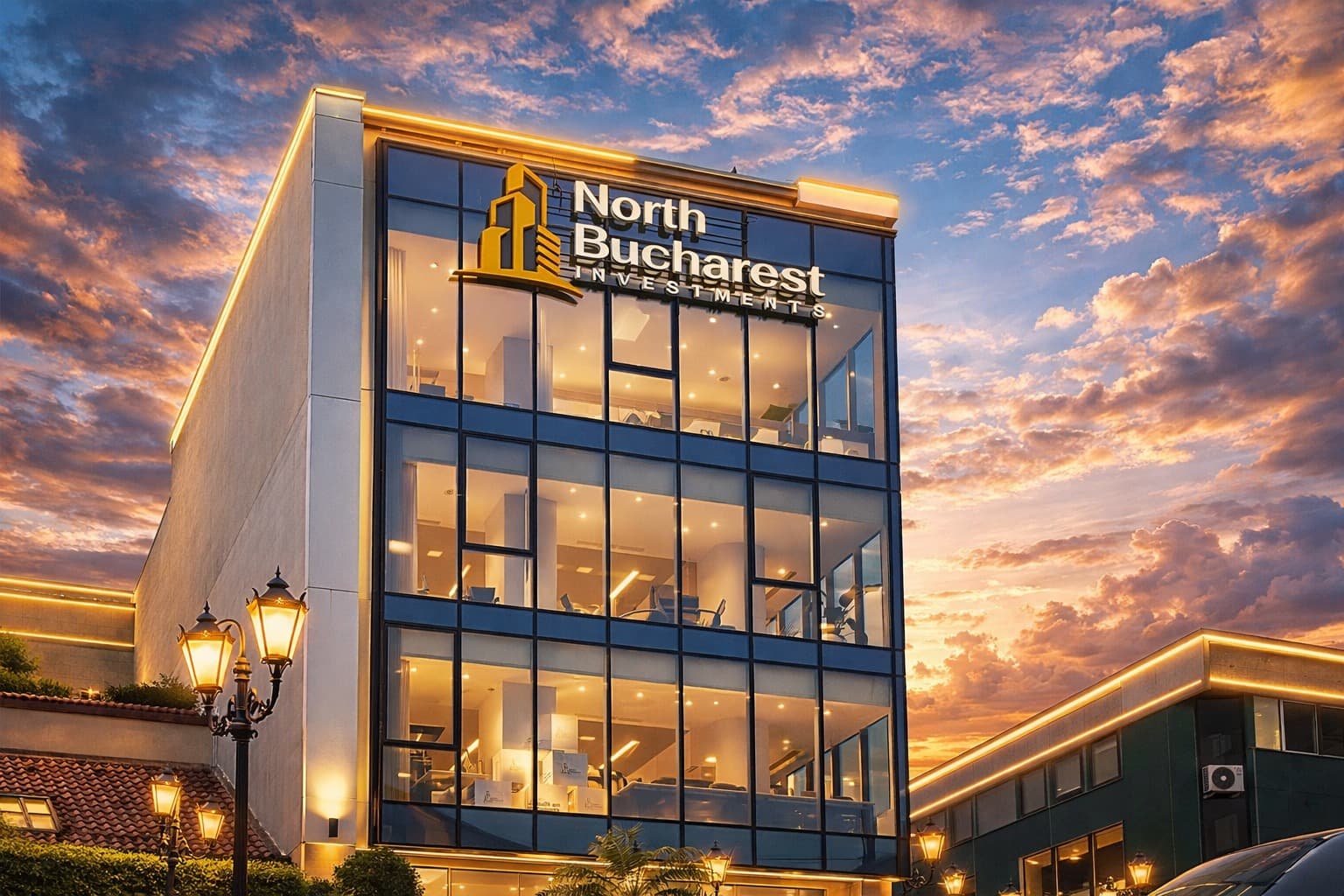
The capital remains the main center of Romania’s real estate market, with 8,290 properties transacted, followed by Ilfov – 3,520 and Cluj – 2,101. In practice, the Bucharest–Ilfov region concentrates the largest share of real estate activity in the country, confirming the dominant role of the metropolitan area in the dynamics of the residential and investment markets. Within this market, the northern area of Bucharest continues to attract the highest share of demand for new homes and investment properties, supported by the accelerated development of residential projects, proximity to business hubs, and expanding urban infrastructure. Market data further confirms this trend: in February, North Bucharest Investments intermediated 111 real estate transactions, with a total value exceeding €20,845,000, in residential projects located in the northern part of the capital.
“ANCPI data confirms what we observe in the market: Bucharest remains the main hub for real estate transactions in Romania, and the northern part of the capital continues to generate a significant share of residential activity. Demand is supported both by end buyers and investors seeking properties close to business hubs and modern infrastructure,” said Vlad Musteață, CEO of North Bucharest Investments.
At the national level, the number of mortgages reached 24,838 in February, including 3,814 in Bucharest and 2,045 in Ilfov, an indicator that reflects the sustained interest in financing real estate acquisitions, particularly in major urban centers. According to NBI specialists, the concentration of investments in the northern part of the capital is supported by infrastructure development, proximity to business hubs, and the constant emergence of new residential projects, attracting both local buyers and investors interested in the appreciation potential of properties. For investors, 2026 is shaping up to be a favorable entry window into Bucharest’s residential market, supported by clear structural factors: declining new supply, solid demand, and a likely easing of financing conditions. Investor interest is increasingly focused on yield, liquidity, and asset quality, with emphasis on well-connected microlocations and technically efficient projects. Particularly in northern Bucharest, where quality supply is limited, the combination of available capital and increasingly high buyer standards creates the conditions for sustained price appreciation in a market that is entering a stage of investment maturity. Returns for high-end investments remain among the most attractive in the region, while Bucharest continues to consolidate its position as a competitive investment hub. *
Free newsletters
Romania, in your inbox before your first coffee.
Get the Daily — the morning briefing, free, in English, unsubscribe anytime. Want business, real estate or travel digests too? Pick your newsletters →