





Iulian studied physics at the University of Bucharest, and he sees himself as a physicist in the broadest sense of the word. He also studied economics at Charles University in Prague and Central European University in Budapest, after a master’s program in business administration at Bucharest Academy of Economic Studies. Since recently, he’s been exploring coding and data analysis for business and economics. As a freelancer, he worked for nearly two decades as an analyst for ISI Emerging Markets, Euromonitor International, Business New Europe, but also as a consultant for OMV Petrom and UkrAgroConsult. Iulian was part of the founding team of Ziarul Financiar. At Romania Insider, which he joined in 2018, he is reviewing the latest economic developments for the premium bulletins and newsletters. He would gladly discuss topics such as macroeconomics, emerging markets, Prague, energy sector including renewable, Led Zeppelin, financial services, as well as tech start-ups and innovative technologies. Email him at iulian@romania-insider.com.

On May 15, 2026, S&P Global Ratings affirmed its BBB- sovereign credit ratings on Romania, as well
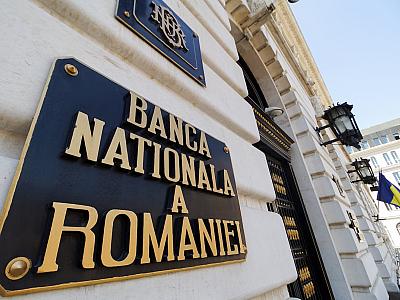
The National Bank of Romania (BNR) at its May 15 board meeting kept the policy rate at 6.5%, which
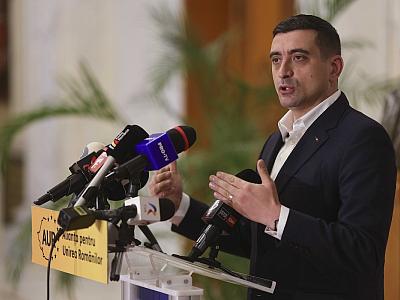
The Alliance for the Unity of Romanians (AUR) remains the leading party in Romania’s voting

Rating agency Fitch has upgraded CEC Bank's long-term issuer default rating (IDR) from BB to BB+
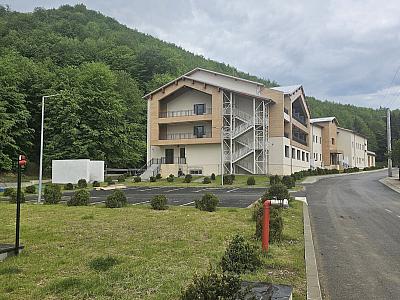
The first spa complex in Romania, built from scratch in the last 35 years, under a RON 40 million
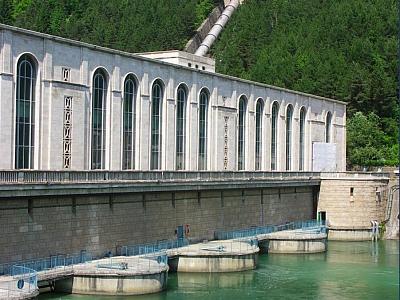
Hidroelectrica (BVB: H2O), the largest state-owned company in Romania with a market capitalisation
Romania’s Fiscal Council president Daniel Dăianu has dismissed claims that the country is facing an
Romania has begun the final renegotiation of the National Recovery and Resilience Plan (PNRR) under

Romania has to fulfil a number of 45 targets and milestones in order to unlock over EUR 15 billion

Bucharest City Hall announced on Wednesday, May 13, the association with Metrorex, the District 6

Renault continues to reduce the scale of activity at its Romanian subsidiary Dacia, despite

Romania’s industrial output contracted by 2.8% q/q, in seasonally and workday adjusted terms, and by