"Ukraine’s victory would give a chance to the Russian people": former Ukrainian PM Yulia Tymoshenko on Ukraine, Russia and the war
Yulia Tymoshenko, the first woman to have been appointed prime minister of Ukraine and a long-time opponent of Russian influence in the region, sat down with Romania Insider for an interview on the war in her country and its impact after…
Radu Dumitrescu · Journalist
· Updated · 6 min read
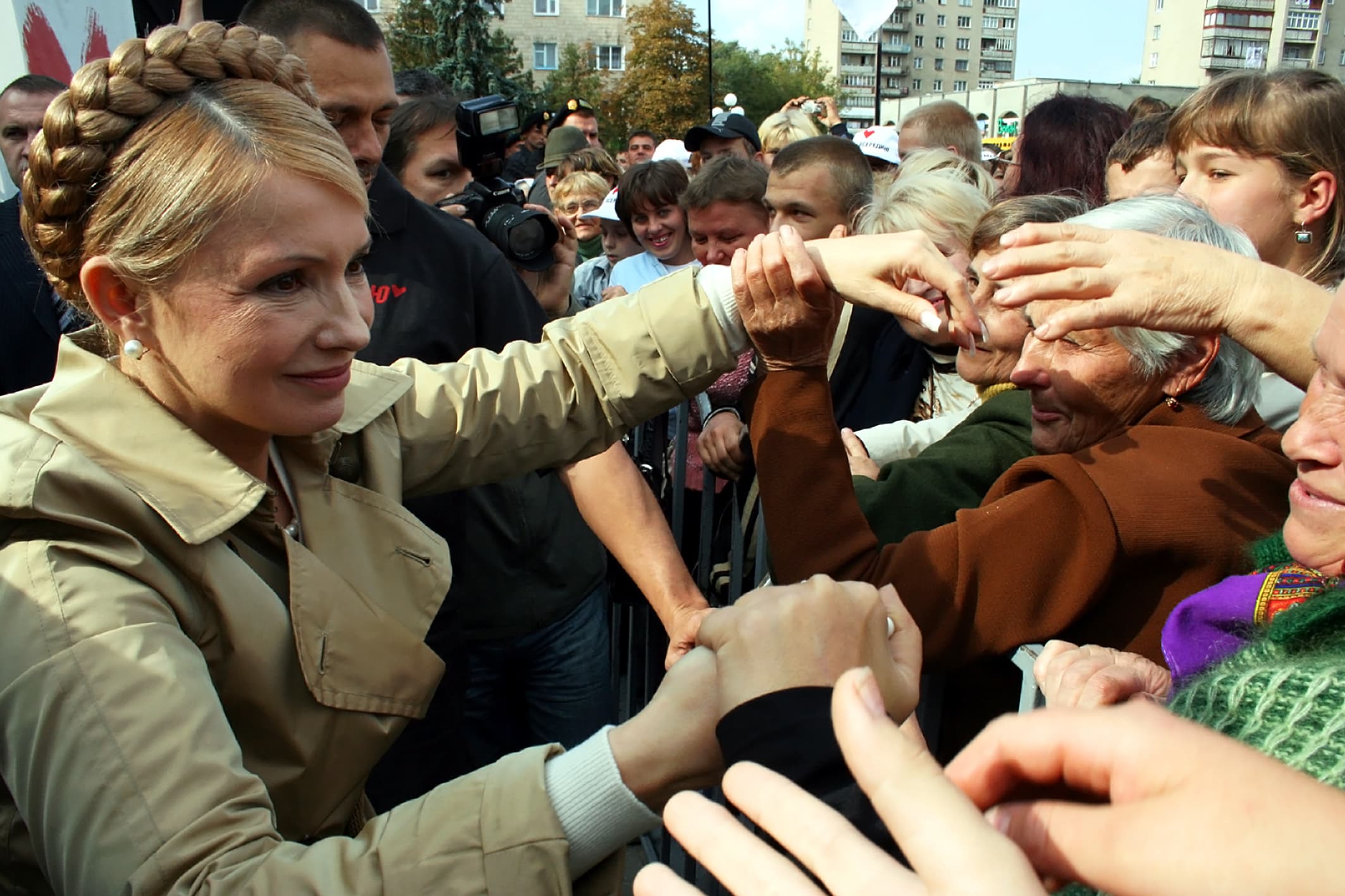
Yulia Tymoshenko, the first woman to have been appointed prime minister of Ukraine and a long-time opponent of Russian influence in the region, sat down with Romania Insider for an interview on the war in her country and its impact after the Third Annual Romanian Business & Investment Roundtable held in Bucharest. She was a speaker at the event, which was organized by The Economist.
Tymoshenko was an architect of the 2004 pro-democracy Orange Revolution and served as prime minister of Ukraine between 2007 and 2010. That year, she ran for president and came in second place, obtaining 45% of the votes in the runoff against Viktor Yanukovych.
After her time in office, Tymoshenko was sentenced to seven years in prison in what the European Court of Human Rights deemed to be an arbitrary and unlawful trial. She spent two and a half years in prison, most of the time in a detention hospital, before being released following the Maidan revolution of 2014 that expelled Yanukovych from power.
The former PM spent the following years embroiled in Ukrainian politics, coming second again in the presidential elections of 2014. The next time she ran, in 2019, Tymoshenko finished third, after Volodymyr Zelensky and Petro Poroshenko. In 2020, Tymoshenko contracted Covid-19 and had to be moved to intensive care. She survived and, two years later, was awoken by the sound of Russian bombs falling near her house in Kyiv. The next morning, she went to the presidential administration along with other senior opposition figures and forged a united front with her former opponent, Zelensky.
Always a fighter, Tymoshenko contributed to the united front that Ukrainian leaders put up against the invasion. She continues to plead for Western unity and support for Ukraine in the face of Russian aggression, and previously said that the invasion only bolstered her drive for making Ukraine part of NATO.
Russia’s invasion of Ukraine is now in its second year. How has the war changed hearts and minds in Ukraine?
This war changed more than just the hearts and minds of the Ukrainians. I believe it changed the hearts and minds of many people in the world. We didn’t expect this war, of such scale, and when at 4 AM in the morning we started to hear explosions, [we realized] bombs were targeting Kyiv. My husband and I were awoken by these huge explosions, pretty close to our house. But what I noticed when I moved from my house to the parliament – and I had noticed this already in the morning – were the lines of men waiting at conscription centers. At the same time, in the first days of the war, there were huge lines of cars carrying women and children who were trying to escape this war zone, fighting for the lives of their children. Many of them had almost nothing with them.