Romania remains EU's leader by VAT gap

Romania continues to record the largest value-added tax gap in the European Union, losing around one-third of both VAT and corporate tax revenues, according to an analysis by PwC Romania based on the VAT Gap in Europe report by the European Union. The country has held the top position in VAT non-collection for the past decade, the consultancy said.
The analysis showed that the largest VAT gaps across the EU were recorded in Romania, Slovakia, Poland, and Italy, with tax evasion identified as the main driver of lost revenues in these markets. By contrast, the smallest VAT gaps, below 3%, were registered in Denmark, the Netherlands, and Finland.
In several western and northern European countries, including Denmark, Finland, Sweden, Austria, and France, PwC said the main pressure on public revenues comes not from domestic tax evasion but from tax base erosion and profit shifting to other jurisdictions.
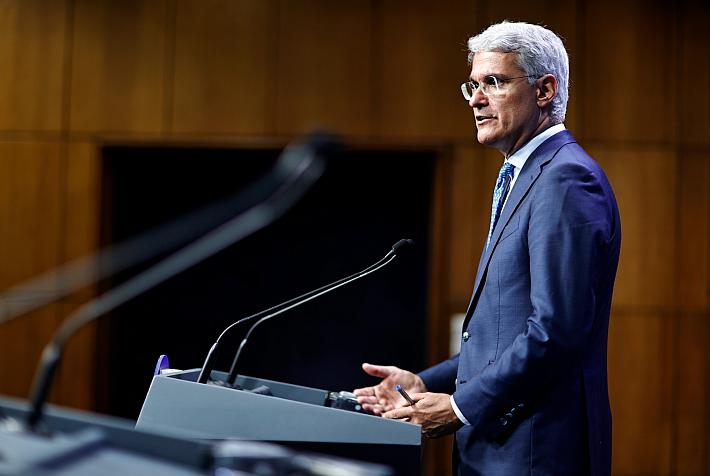
"Romania's fiscal and budgetary situation has become critical due to accumulated problems: lack of predictability through frequent legislative changes, unsustainable public spending, and delays in the digitalisation of the tax administration," said Ruxandra Târlescu, Partner Coordinating Tax Services at PwC Romania, quoted in the press release.
She said the consequences for taxpayers include fiscal inequity and budget deficits that are increasingly difficult to finance, leading to repeated tax increases.
PwC data showed that budget revenues last year totalled RON 36 billion (USD 7.78 billion) from corporate tax and RON 121 billion (USD 26.14 billion) from VAT, while the budget deficit exceeded RON 152 billion (USD 32.85 billion).
"It is certain that better collection would have had a visible impact, in the order of billions for the budget," Târlescu said, adding that accelerating the use of digital technologies and artificial intelligence represents a key avenue for improving tax collection efficiency.
PwC warned that relying solely on tax increases to address budgetary pressures risks raising costs for businesses, discouraging investment, and weakening economic growth, with negative knock-on effects for public revenues.
iulian@romania-insider.com
(Photo source: Andrey Popov/Dreamstime.com)