Romania sets up anti-drone system in Port of Constanța
An anti-drone system has been set up in the Port of Constanța, Romania's main access point to the Black Sea, allowing for the localization of the aircraft and the pilot’s position, as well as the controlled takeover of the drone and its…
Radu Dumitrescu · Journalist
· Updated · 2 min read

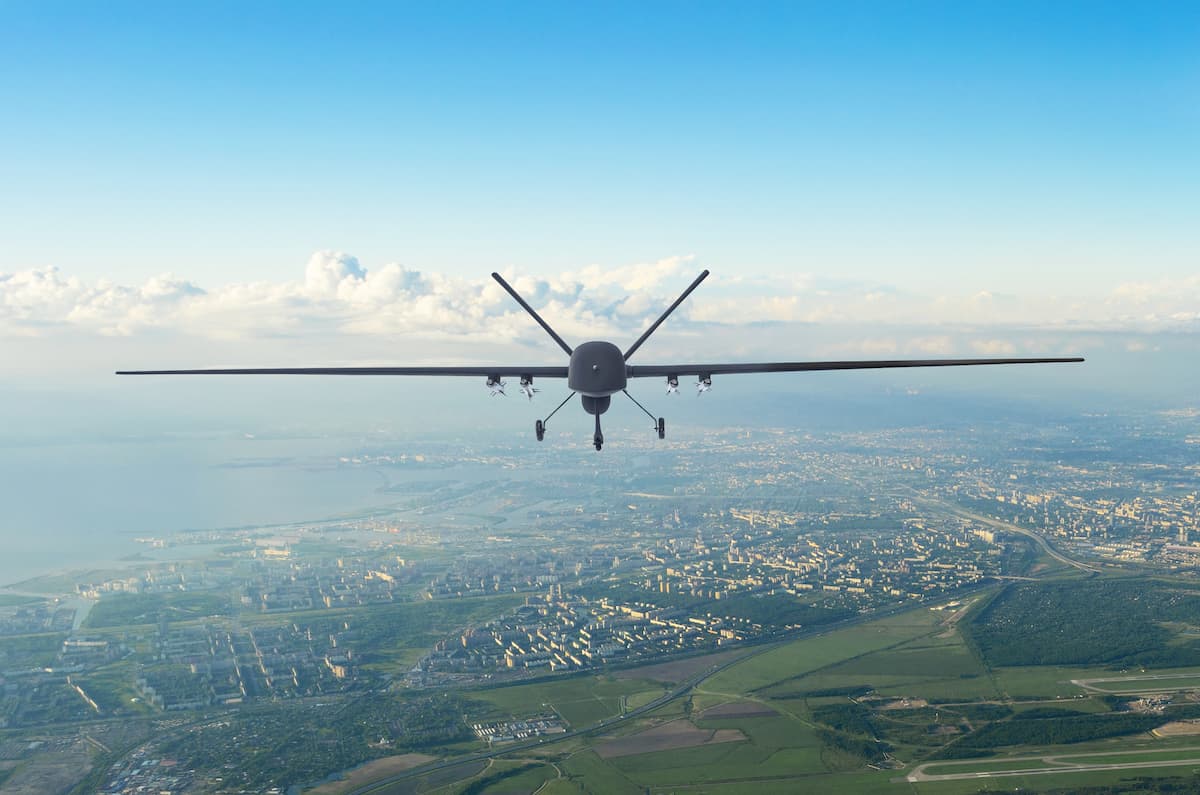
An anti-drone system has been set up in the Port of Constanța, Romania's main access point to the Black Sea, allowing for the localization of the aircraft and the pilot’s position, as well as the controlled takeover of the drone and its redirection to a safe area, according to a press release sent out by the Maritime Ports Administration Constanța.
Earlier this week, the system spotted an unidentified drone within the perimeter of the passenger terminal of the Port of Constanța. Following checks, it was determined that the drone belonged to foreign citizens who were members of the crew of a cruise ship, according to the port authority.
The drone turned out to be non-military in nature. However, the ship’s captain informed the entire crew and passengers about the prohibition on using drones without authorization within the Constanța port perimeter. The Romanian Naval Forces and the Border Police were also informed of the incident.
The event allowed the port authorities to test the new-generation anti-drone system.
“The deployed solution is based on RF cyber-takeover, meaning a non-kinetic, non-destructive approach which, unlike classic total-spectrum jamming methods, allows taking control of the unauthorized drone and bringing it to the ground in a predefined safe area, without affecting legitimate communications in the port area,” announced representatives of the National Company Maritime Ports Administration Constanța.
“The Port of Constanța is the largest port on the Black Sea and a strategic logistics hub for east-west European transit, including allied military mobility flows. In this context, the protection of low-altitude airspace within the port perimeter is an essential component of the security plan of CN APM SA Constanța,” the institution said.
The port authority added that this system is to be expanded to all the ports it administers.
The system allows omnidirectional 360° detection of commercial and DIY-type drones based on RF fingerprinting. It also includes identification, classification, and localization of the aircraft, as well as the pilot’s position, and controlled takeover of the drone and redirection to a safe area through exploitation of its proprietary command protocol.
“The decision to opt for a technology centered on takeover of control, rather than jamming as the primary mechanism, was determined by the specifics of the port environment, namely an area dense with operational communications (VTS, AIS, naval communications, GSM telephony, radio links), where indiscriminate jamming would affect legitimate activities and navigation safety,” the cited source further specified.
Free newsletters
Romania, in your inbox before your first coffee.
Get the Daily — the morning briefing, free, in English, unsubscribe anytime. Want business, real estate or travel digests too? Pick your newsletters →