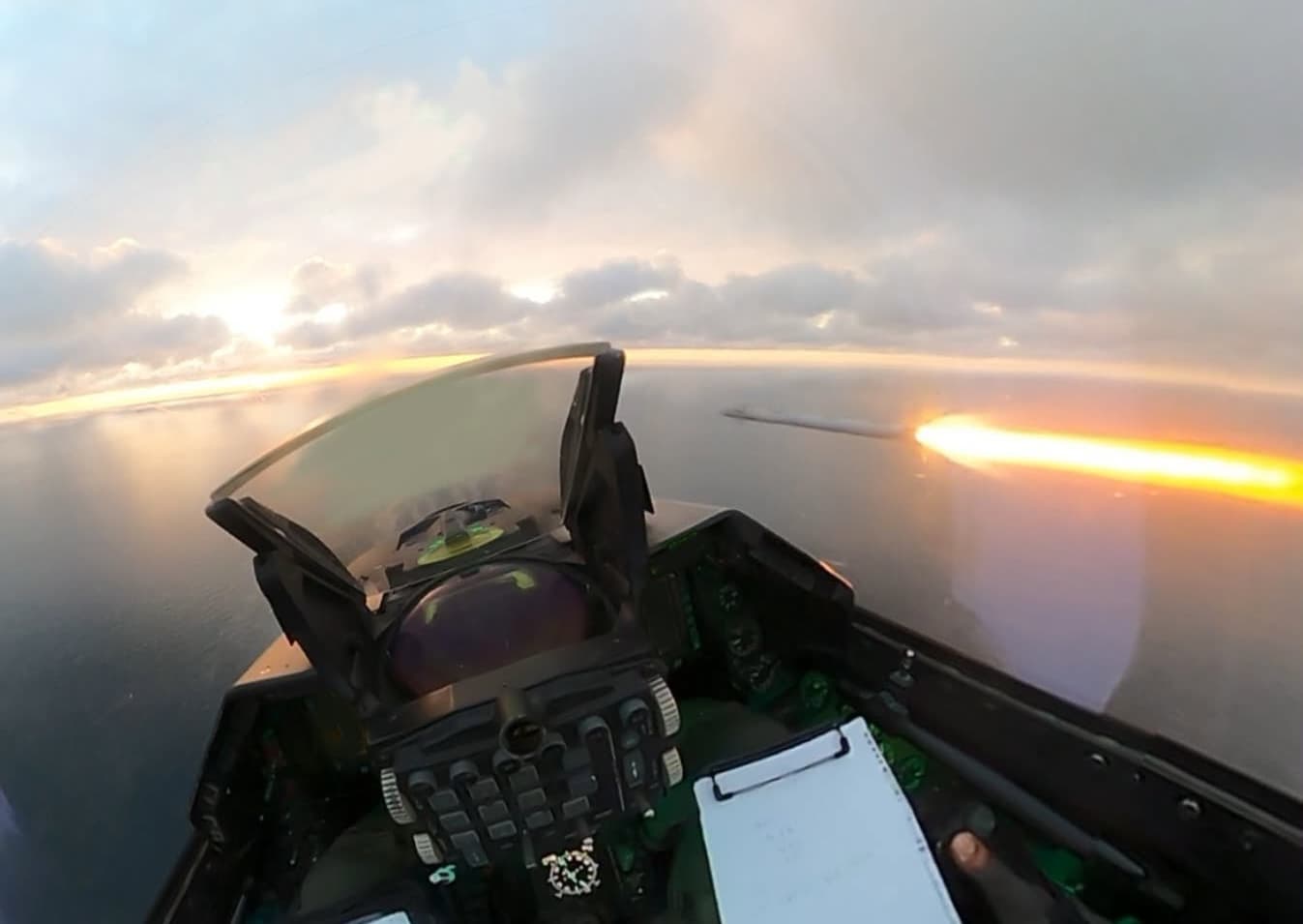
Romanian deep-tech defense company Qognifly unveils integrated drone system with NATO interoperability
Qognifly, a Romanian deep-tech defense company specializing in the design, production, and integration of autonomous aerial systems, presented a fully integrated and operational drone ecosystem during the LCI-X 1-26 Eastern Phoenix 2026…
Radu Dumitrescu · Journalist
· Updated · 2 min read
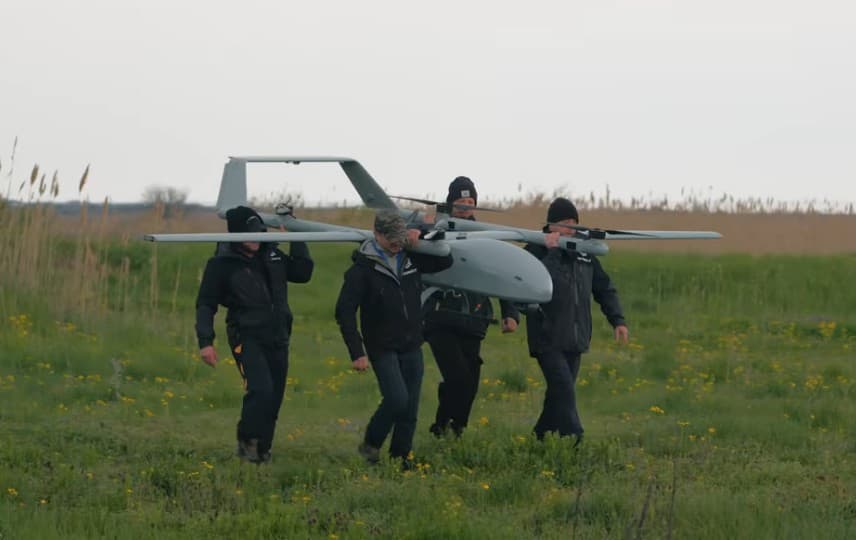
Qognifly, a Romanian deep-tech defense company specializing in the design, production, and integration of autonomous aerial systems, presented a fully integrated and operational drone ecosystem during the LCI-X 1-26 Eastern Phoenix 2026 (EAPH 26) exercise, organized by Allied Command Transformation (ACT) and the Ministry of National Defence, at the Capu Midia range in Constanța County.
The exercise, which took place last week, focused on innovation and experimentation in countering threats posed by unmanned aerial systems. Companies from the defense industry, both domestic and foreign, also participated in the tests, aiming to sign contracts with the Romanian Army.
During the exercise, Qognifly presented two NATO Class I Small ISR drones capable of missions of up to 24 hours, an X-band radar detection system integrated with visible and infrared optical sensors, a NATO-interoperable C2 platform using the SAPIENT protocol, and the multi-role STUD drone, developed in partnership with US-based Xdown.
YouTube postOpen on YouTube
The SP5 ISR platform, featuring up to 24-hour endurance, MTOW of 5570 kg, a payload capacity of up to 20 kg, and a cruising speed of approximately 108 km/h, operated in electronically contested environments, exposed simultaneously to multiple jamming systems. The system demonstrated interoperability with NATO ecosystems, the company said.
The foldable STUD drone also proved its capabilities in three distinct roles: smart munition (up to 15 km range, AI-guided targeting with integrated ISR capabilities); personal anti-FPV protection with 360° coverage and automatic interception; and kinetic effector within the Drone Wall architecture.
The systems were evaluated by representatives from defense structures, the Ministry of Internal Affairs, security and public order agencies, and defense industry partners. The mobility and flexibility of the STUD platform were explicitly praised.
“The challenge is not to build a high-performance drone or radar independently, but to make them work together in real time, without errors. It is essential that every system - aircraft, control station, flight management software, radar, and their interoperability — is predictable and intuitive for the field operator,” said Ion Mocanu, CEO of Qognifly.
(Photo source: Qognifly Systems Video Capture on YouTube)
Free newsletters
Romania, in your inbox before your first coffee.
Get the Daily — the morning briefing, free, in English, unsubscribe anytime. Want business, real estate or travel digests too? Pick your newsletters →