

Romania’s president expected to designate prime minister candidate despite explicit majority

26 May 2026

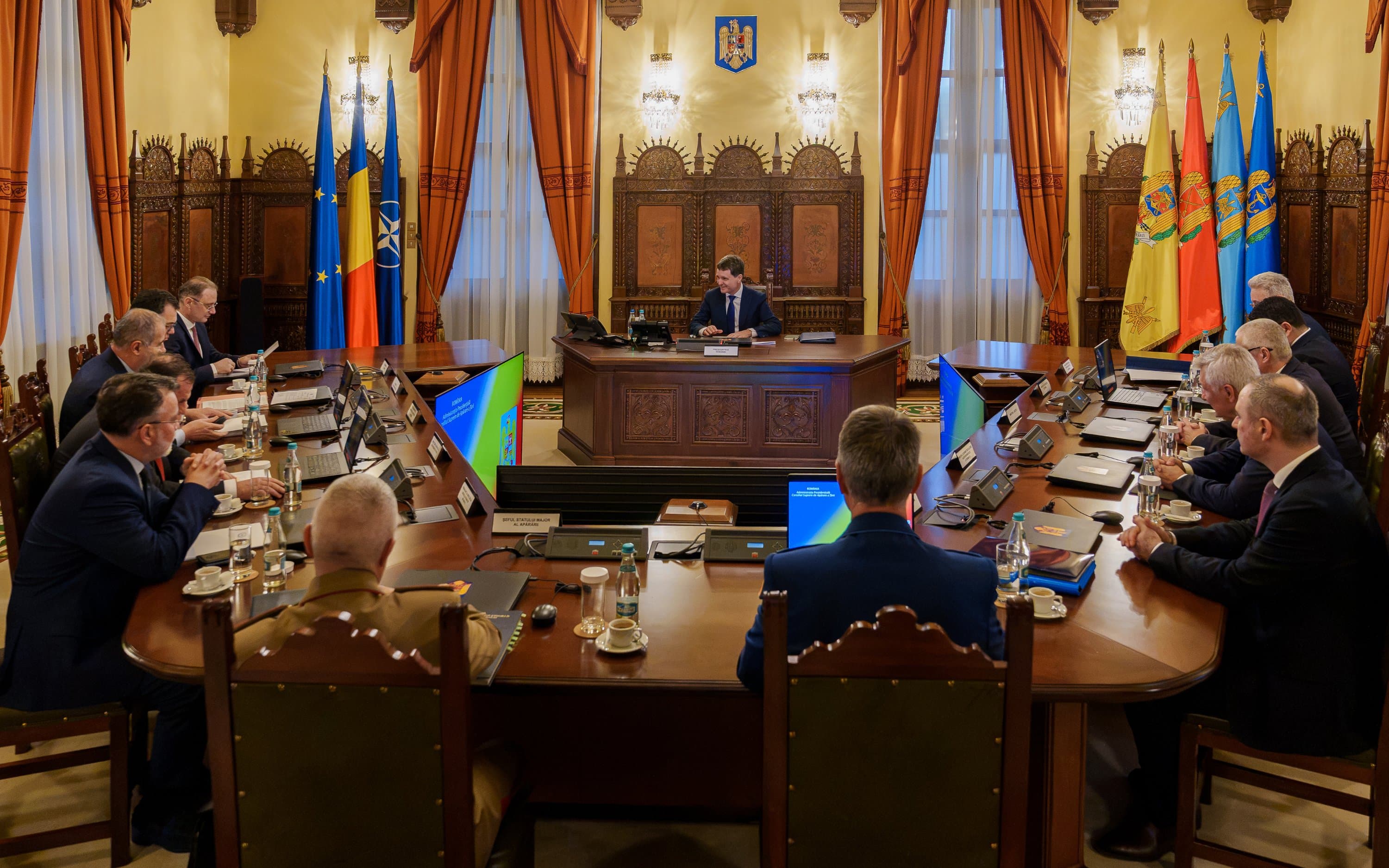
Romanian president Nicusor Dan is expected to designate this week, with or without further consultations with the political parties, a prime minister candidate that may fit or not the definition of a technocrat but most likely lacks an explicit parliamentary majority behind him, according to sources familiar with the developments. 

Among the names circulated by the media are presidential advisors Eugen Tomac (charged with Romanians abroad) and Radu Burnete (business community), acting finance minister Alexandru Nazare (on the lists of the Liberal Party), and (less likely) IMF official Delia Velculescu, according to Hotnews.ro.
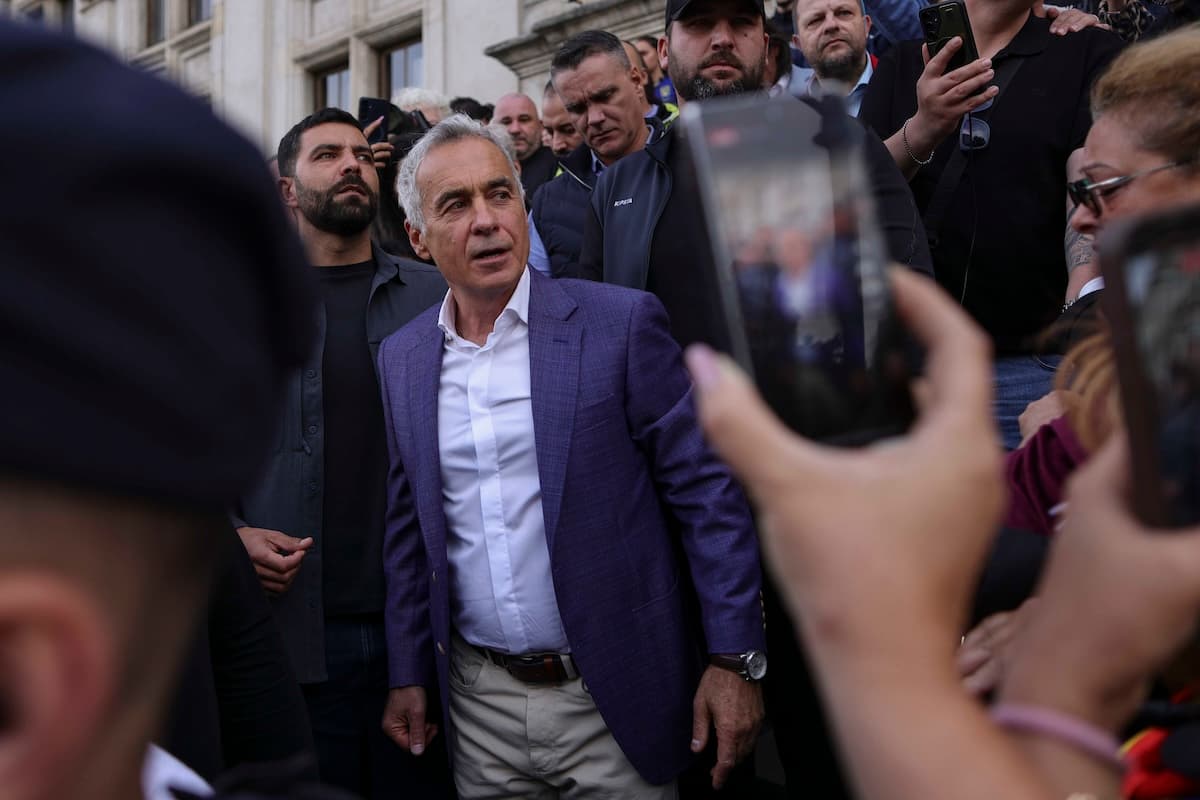
The listed candidates fit to various degrees the definition of a technocrat, with the most likely to receive the nomination (Eugen Tomac) being also the least fit due to his political background. Tomac is actually a politician by career (and a historian by education), promoted by former president Traian Basescu.

His nomination would mean president Dan would breach both his requirements set for a candidate: having a good economic background and enjoying explicit political support in parliament. However, due to his political pedigree, Tomac is, in principle, the best fit to receive the support of the Liberal Party (PNL) – which remains unlikely because of the Social Democrats' (PSD) participation in the government majority. 

The other candidates listed for the prime ministerial position are more likely meant to put Tomac in a more favourable context. Burnete is already perceived as a representative of the business community (thus likely exposed to criticism from PSD), Nazare would likely remain loyal to PNL and refuse the nomination, and Velculescu would probably lack the necessary political skills while bringing a note of austerity firmly rejected by Social Democrats.

The designation of a prime minister candidate is far from marking the end of the political crisis.

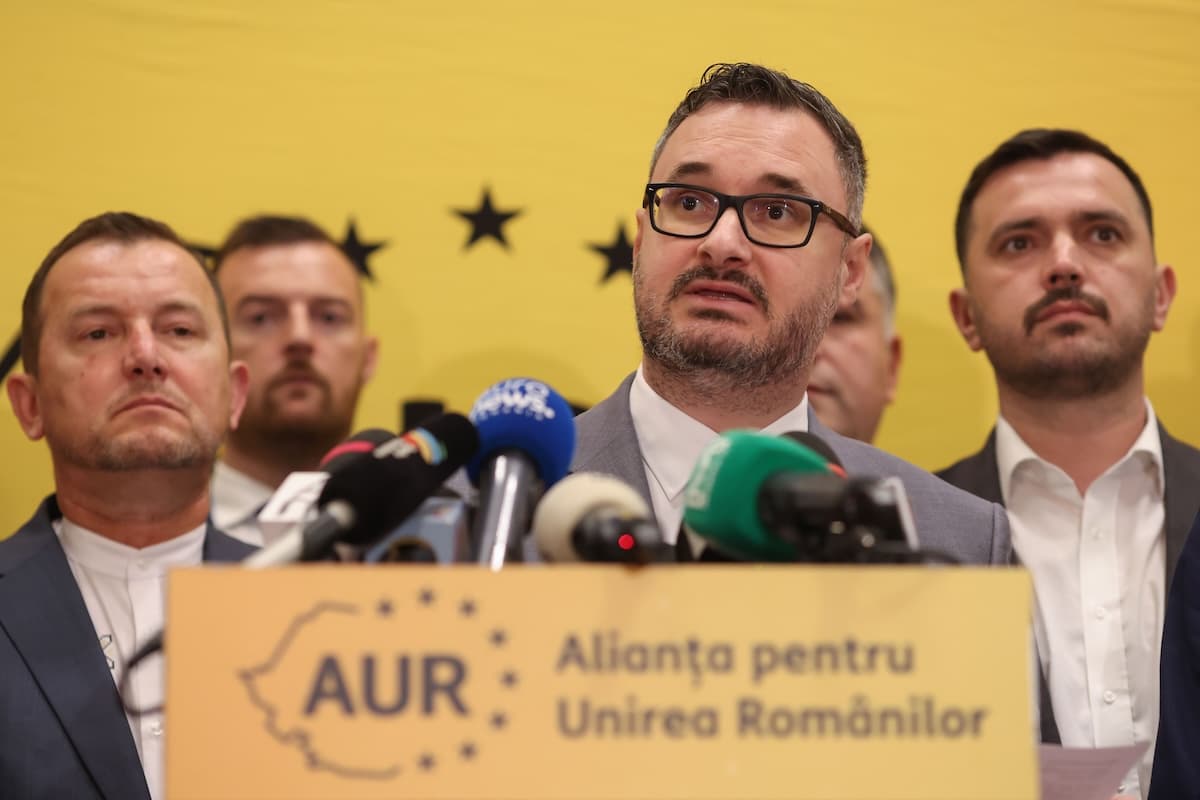
The future prime minister nominee would reportedly try to create a government with so-called technocratic ministers who would receive political endorsement from the four “pro-Western” parties, which previously formed the ruling coalition, PSD, PNL, USR, and UDMR – a construction many analysts seriously question. PNL repeatedly stressed that it would not vote for a government that would be controlled from the shadows by the PSD through ministers in key positions. USR has also decided to coordinate its actions with PNL.

Replacing the two parties with votes from the small far-right parties or MPs in Parliament is seen as unacceptable by UDMR – which leaves PSD as the sole partner besides ambiguous far-right support, in the pro-Western coalition that president Dan seeks to build again.

iulian@romania-insider.com

(Photo source: Inquam Photos/Alexandru Nechez)

Normal

Romania’s president expected to designate prime minister candidate despite explicit majority

26 May 2026

Romanian president Nicusor Dan is expected to designate this week, with or without further consultations with the political parties, a prime minister candidate that may fit or not the definition of a technocrat but most likely lacks an explicit parliamentary majority behind him, according to sources familiar with the developments. 

Among the names circulated by the media are presidential advisors Eugen Tomac (charged with Romanians abroad) and Radu Burnete (business community), acting finance minister Alexandru Nazare (on the lists of the Liberal Party), and (less likely) IMF official Delia Velculescu, according to Hotnews.ro.
The listed candidates fit to various degrees the definition of a technocrat, with the most likely to receive the nomination (Eugen Tomac) being also the least fit due to his political background. Tomac is actually a politician by career (and a historian by education), promoted by former president Traian Basescu.

His nomination would mean president Dan would breach both his requirements set for a candidate: having a good economic background and enjoying explicit political support in parliament. However, due to his political pedigree, Tomac is, in principle, the best fit to receive the support of the Liberal Party (PNL) – which remains unlikely because of the Social Democrats' (PSD) participation in the government majority. 

The other candidates listed for the prime ministerial position are more likely meant to put Tomac in a more favourable context. Burnete is already perceived as a representative of the business community (thus likely exposed to criticism from PSD), Nazare would likely remain loyal to PNL and refuse the nomination, and Velculescu would probably lack the necessary political skills while bringing a note of austerity firmly rejected by Social Democrats.

The designation of a prime minister candidate is far from marking the end of the political crisis.

The future prime minister nominee would reportedly try to create a government with so-called technocratic ministers who would receive political endorsement from the four “pro-Western” parties, which previously formed the ruling coalition, PSD, PNL, USR, and UDMR – a construction many analysts seriously question. PNL repeatedly stressed that it would not vote for a government that would be controlled from the shadows by the PSD through ministers in key positions. USR has also decided to coordinate its actions with PNL.

Replacing the two parties with votes from the small far-right parties or MPs in Parliament is seen as unacceptable by UDMR – which leaves PSD as the sole partner besides ambiguous far-right support, in the pro-Western coalition that president Dan seeks to build again.

iulian@romania-insider.com

(Photo source: Inquam Photos/Alexandru Nechez)

Normal

Romania Insider Free Newsletters