Romania reportedly plans 800 km high-speed railway valued at EUR 15 billion
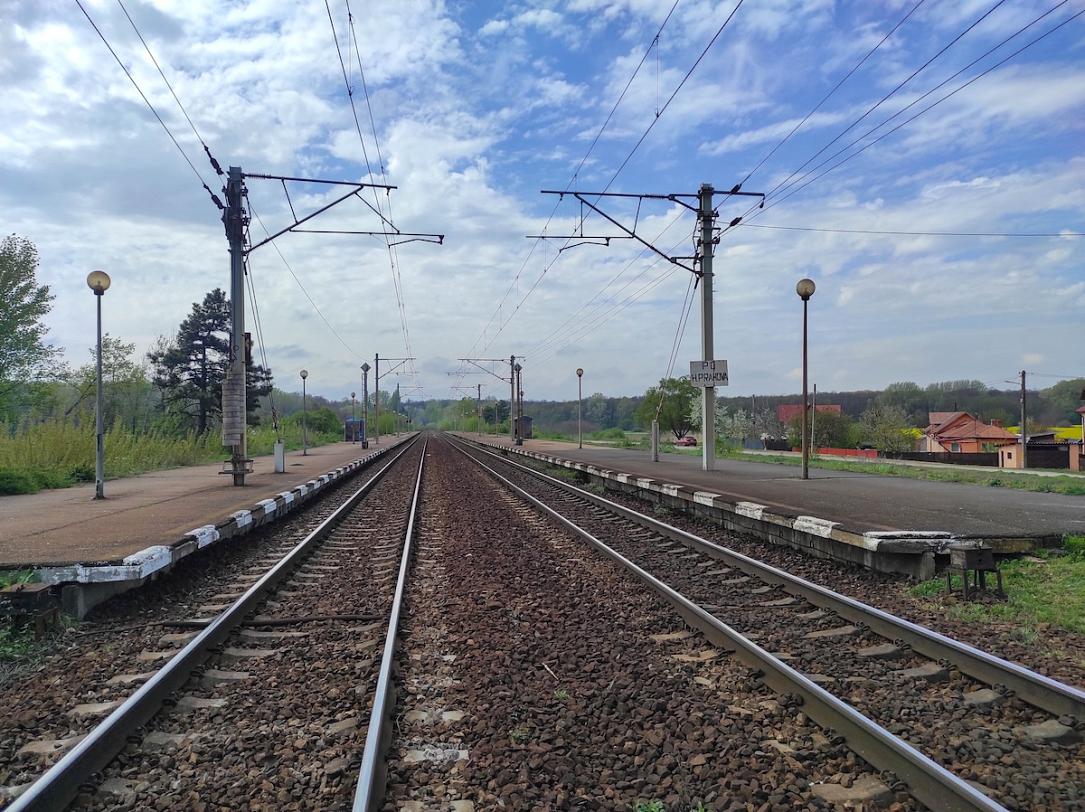
Romania is preparing a high-speed railway of almost 800 kilometers, which will cost an estimated EUR 15 billion, according to the feasibility study recently completed and analyzed by Profit.ro.The corridor will stretch from the Black Sea to the western border, from Constanța to Oradea, and involves a combination of modernizing existing lines for speeds of 200 km/h and constructing new double lines that will allow speeds of 250 km/h.
The project is based on a feasibility study commissioned by the Romanian state from Canadian company Atkins Realis, one of the companies that signed the engineering, procurement, and construction management contract for units 3 and 4 of the Cernavodă nuclear power plant. The feasibility study was completed in December 2025.
The study highlights a high-speed rail corridor along the route Constanța - Bucharest - Brașov - Sighișoara (Vânători) - Târgu Mureș - Cluj-Napoca - Zalău - Oradea - the border with Hungary.
According to the study results, mountain crossings, such as Câmpina-Predeal-Brașov, can use common high-speed (HSR) and conventional routes, such as the Predeal tunnel, an ongoing investment with technical-economic documentation under approval.
The project targets the development of a high-speed rail corridor with a total length of 781.9 km, through a combination of new lines and modernization of existing lines, with total capital expenditures estimated at EUR 14.93 billion and an average cost of approximately EUR 19 million/km.
A phased implementation of the project was proposed. Phase 1 envisages a new double-track line, with a maximum speed of 250 km/h between Bucharest and Câmpina, with a possibility of expanding it to Brașov. This section is anticipated to represent the first segment of the high-speed corridor.
Phase 2 of the project targets the Brașov - Cluj-Napoca route via Târgu Mureș, Phase 3 the Cluj-Napoca - Oradea via Zalău segment, and Phase 4 the Bucharest - Constanța segment.
Funds from the European Union, the national budget, and those obtained through public-private partnerships are being considered for the railway project.
The construction of a high-speed railway line to Hungary has been planned since 2007. Romania and Hungary have recently revisited the idea so as to connect Bucharest to the rest of Europe’s high-speed rail network.
(Photo source: Mariusika11/Dreamstime.com)